Decoding Employment Contracts
Employment Contract Basics
Deconstructing the Document
An employment contract is more than just a piece of paper you sign on your first day. It's a legal agreement that lays out the terms of your relationship with your employer. Think of it as a roadmap for your job, defining expectations for both you and the company. It ensures everyone is on the same page from the start.

Your Role and Responsibilities
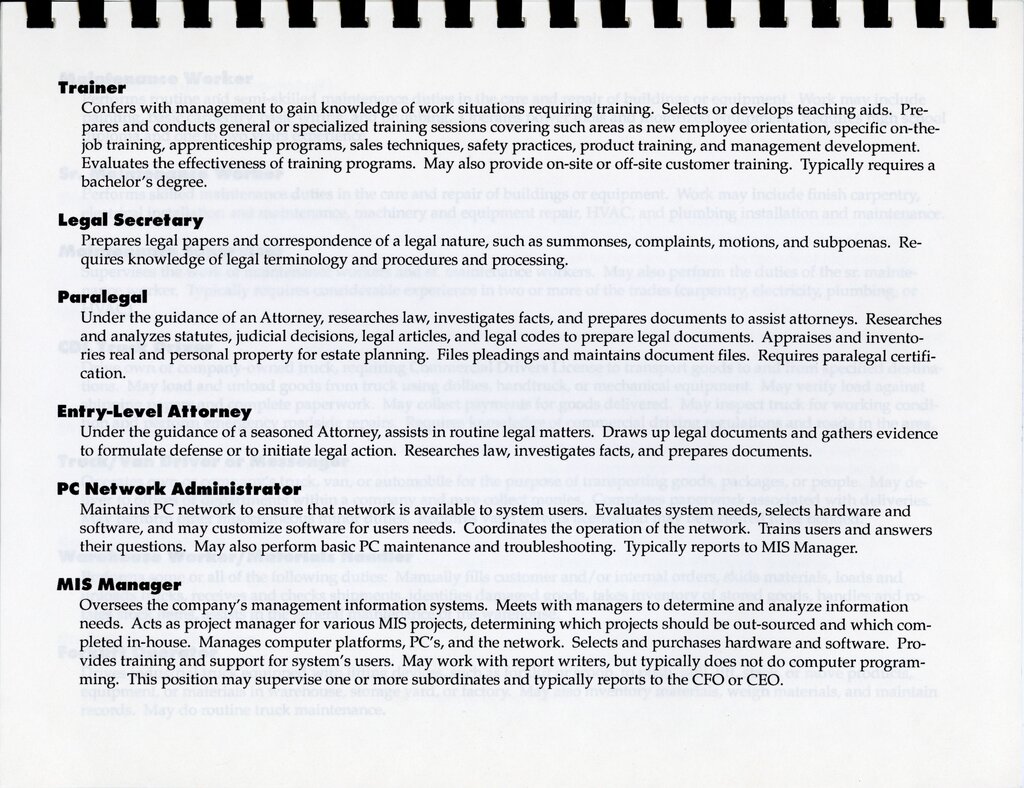
One of the first things you'll see in a contract is your job title. While a title like "Marketing Coordinator" or "Software Engineer" gives you a general idea of your role, the job description provides the critical details. This section outlines your day-to-day responsibilities, who you report to, and what success looks like in your position.
A clear, detailed job description is your best friend. It helps prevent "scope creep," where you're slowly given duties far outside your original role. It sets clear boundaries and helps you focus on what you were hired to do.
Pro Tip: Request a detailed job description—titles, responsibilities, and success metrics—and have it appended to the contract.
Having these specifics in writing protects both you and the employer from misunderstandings down the road. It transforms vague expectations into concrete tasks and goals.
Compensation and Benefits
This section details how much you'll be paid, how often, and in what manner. It's not just about the final number; it's about the entire structure of your payment. For example, are you a salaried employee receiving a fixed amount each pay period, or are you paid hourly? This part of the contract should clarify that.
Compensation can come in various forms, and your contract should specify which apply to you.
| Compensation Type | Description |
|---|---|
| Salary | A fixed amount of money paid on a regular schedule (e.g., monthly). |
| Hourly | Payment based on the number of hours worked. |
| Commission | A percentage of sales you generate. |
| Bonus | Extra pay based on performance (company's or individual's). |
Beyond your direct pay, the contract will also outline your benefits package. This is a crucial part of your total compensation. Benefits can include health, dental, and vision insurance, retirement savings plans like a 401(k), paid time off (PTO) for vacations and sick days, and other perks. The agreement should specify what you're eligible for and when those benefits kick in.
Ending the Employment
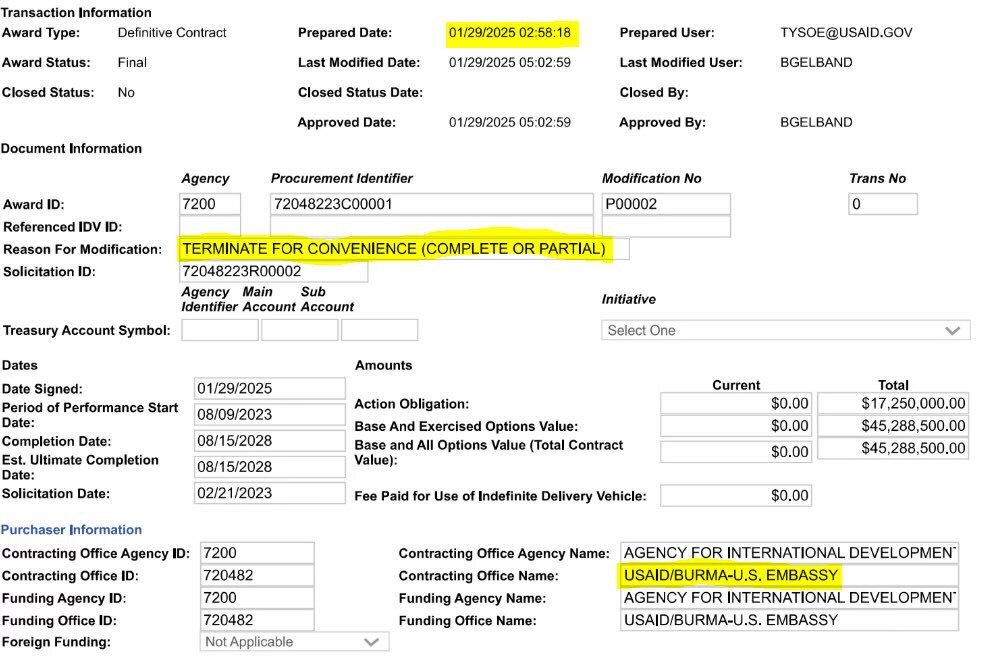
No one likes to think about a job ending when it's just beginning, but every employment contract needs to address it. This is covered in the termination clause. It explains the conditions under which you or your employer can end the working relationship.
Most employment in the U.S. is "at-will," meaning either party can end the relationship at any time for any legal reason. However, a contract might specify a required notice period, like asking for two weeks' notice if you resign. It may also define what constitutes "cause" for immediate termination, such as misconduct or poor performance. This clause provides a clear and predictable process for parting ways, which reduces uncertainty for everyone involved.
What is the primary benefit of having a detailed job description in an employment contract?
The part of an employment contract that explains the conditions under which the working relationship can end is known as the __________.
Understanding these core components will help you navigate any employment agreement with confidence. By knowing what to look for, you can ensure the terms are clear and fair before you sign.