Decoding Employment Contracts
Employment Contract Basics
The Handshake and the Fine Print
An employment contract is more than just a piece of paper you sign on your first day. It's a legally binding agreement that lays out the rules of the game between you and your employer. Think of it as a detailed map for your professional relationship. It clarifies expectations, defines responsibilities, and provides a framework for how things will work from start to finish.
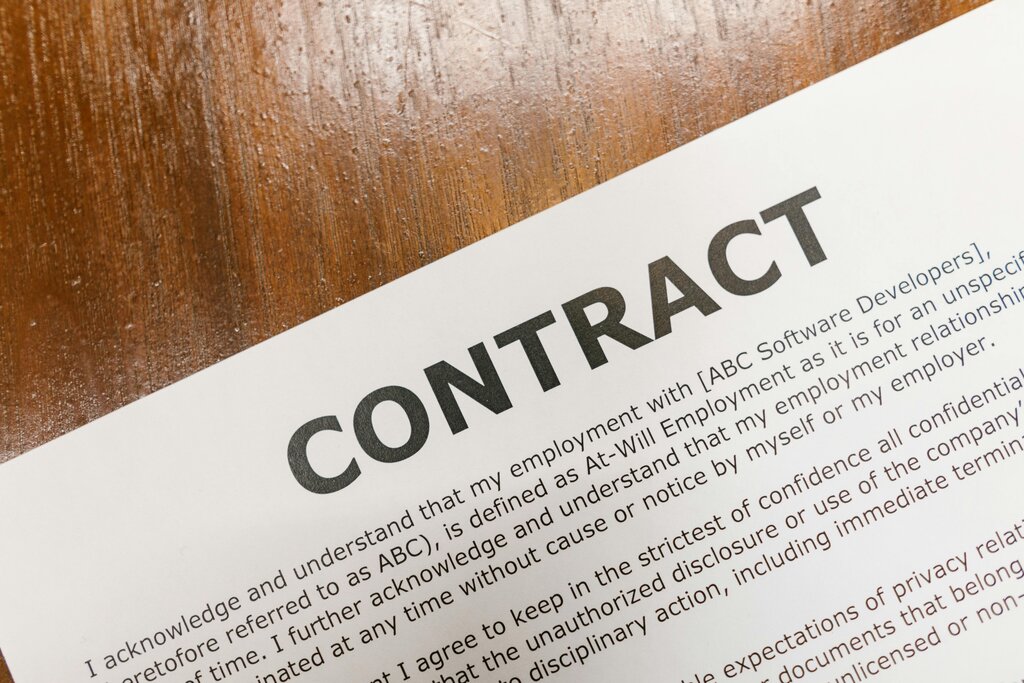
The main purpose of a contract is to create clarity and security for both sides. For the employee, it spells out exactly what they'll be doing, how much they'll be paid, and what benefits they'll receive. For the employer, it ensures the employee understands their duties and agrees to the company's policies. This written agreement helps prevent misunderstandings down the road.
Core Components
While contracts vary, most share a few key ingredients. These are the sections you'll want to read with extra care.
First is the job description. This part goes beyond a simple title. It should detail your specific duties, responsibilities, and who you report to. A clear job description helps set performance expectations from day one.
Pro Tip: Request a detailed job description—titles, responsibilities, and success metrics—and have it appended to the contract.
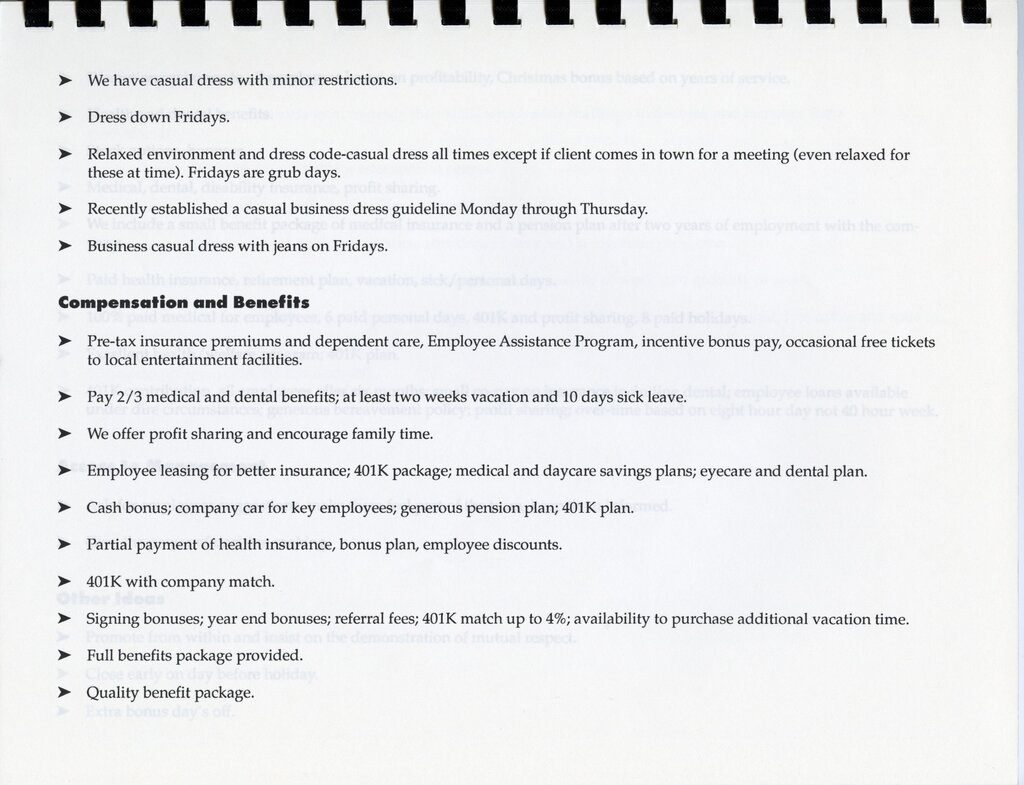
Next up is compensation and benefits. This is usually the part people focus on most. It specifies your salary or hourly wage, how often you'll be paid, and any potential for bonuses or raises. It also covers benefits like health insurance, retirement plans (like a 401(k)), and paid time off.
Finally, every contract addresses the end of the employment relationship. The termination conditions explain how and why the job might end. It can outline notice periods required for quitting or conditions under which the company can let you go. This section might also mention "at-will" employment, a common status meaning either party can end the relationship at any time, for any legal reason.
A Two-Way Street
A contract establishes a set of mutual promises. Both you and your employer gain rights and take on obligations.
As an employee, your primary rights are to be paid for your work as agreed and to have a safe working environment. Your obligations are to perform the duties of your job competently and to adhere to company policies.
Conversely, the employer has the right to expect you to do your job and follow the rules. Their main obligations are to pay you correctly and on time, and to ensure the workplace is safe and free from harassment.
Understanding this balance is key. The contract isn't just a list of demands from the employer; it's a mutual agreement that protects everyone involved.
Now that you know the basic structure and purpose of an employment contract, let's test your understanding.
What is the primary purpose of an employment contract?
In the context of an employment contract, "at-will" employment means that either the employer or the employee can end the relationship at any time, for any legal reason.