Decoding Employment Contracts
Employment Contract Basics
Anatomy of an Employment Contract
An employment contract is more than just a formality. It’s the foundational document for your relationship with an employer. It lays out the expectations, responsibilities, and rewards for both you and the company. Think of it as a roadmap for your time at the job, ensuring everyone is on the same page from day one.

Your Role and Responsibilities
One of the first sections you'll encounter is the job description. This part goes beyond a simple title. It details your primary duties, day-to-day tasks, and who you'll report to. Its purpose is to clearly define what you are being hired to do.
A well-written description sets clear expectations and helps measure your performance down the line. If the description is vague, it can lead to confusion about your role. Always read this section carefully to make sure it aligns with your understanding of the position.
Pro Tip: Request a detailed job description—titles, responsibilities, and success metrics—and have it appended to the contract.
Compensation and Pay
This section breaks down how you'll be paid. It will state your salary or hourly rate, and just as importantly, your pay schedule. This specifies whether you'll be paid weekly, bi-weekly, or monthly.
If your role includes performance-based pay, like bonuses or commissions, the contract should explain how those are calculated and when they are paid out. This part of the agreement ensures there are no surprises when you get your first paycheck.
| Component | Description | Example |
|---|---|---|
| Base Salary | The fixed amount you earn before any additions. | $65,000 per year |
| Bonus Structure | Extra pay, often tied to performance goals. | Up to 15% annual bonus |
| Pay Schedule | The frequency of your paychecks. | Semi-monthly (15th and last day) |
Benefits and Perks
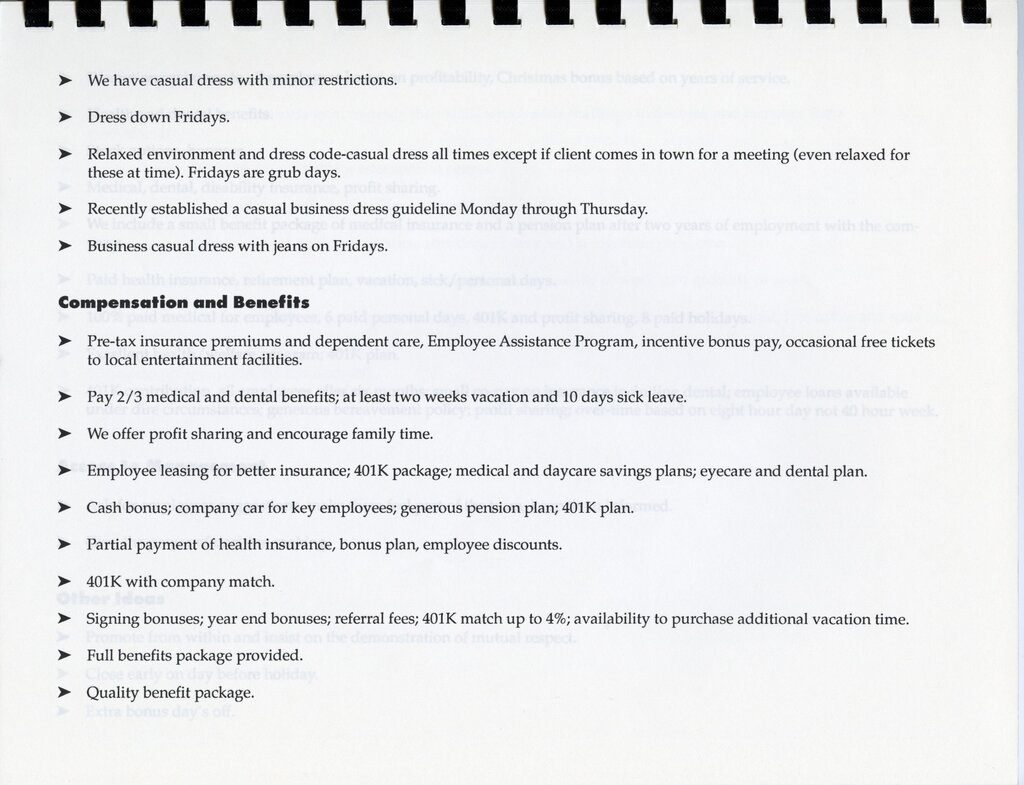
Compensation isn't just about your salary. The benefits package is a major part of your total earnings. The contract should outline the benefits the company offers, which often include health, dental, and vision insurance. It may also detail retirement savings plans, such as a 401(k), and whether the company offers a matching contribution.
Paid time off (PTO) is another key benefit. This section should specify how many vacation days, sick days, and paid holidays you receive each year. Some contracts also mention other perks like professional development funds or flexible work arrangements.
Ending the Employment
Every employment relationship eventually ends. The termination clause explains how this can happen. Most employment in the U.S. is "at-will," meaning either you or the employer can end the relationship at any time, for any legal reason. The contract will usually state this explicitly.
This section also details the procedures for resignation or dismissal. It might specify a required notice period, like asking for two weeks' notice if you decide to leave. It can also outline conditions under which the company can terminate your employment immediately, often referred to as "termination for cause." This typically involves serious issues like misconduct or a major policy violation.
Understanding the termination clause helps you know your rights and obligations if you or your employer decides to part ways.
Time to review what you've learned about the core components of an employment contract.
What is the primary purpose of the job description section in an employment contract?
True or False: The benefits package, including things like health insurance and paid time off, is considered a major part of an employee's total compensation.