Decoding Employment Contracts
Employment Contract Basics
The Anatomy of a Job Offer
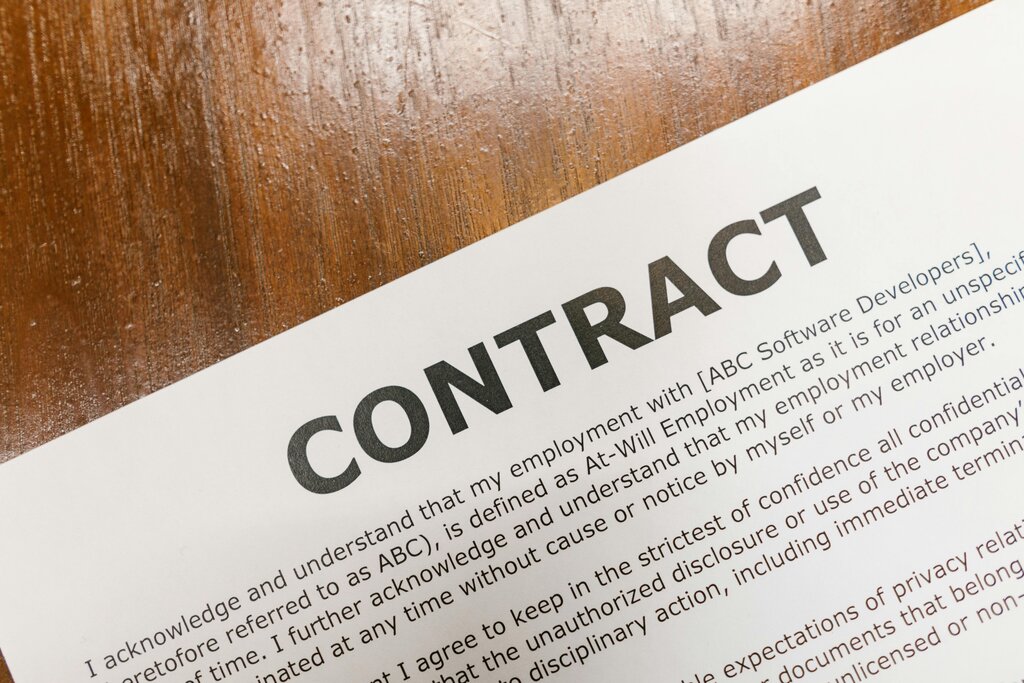
An employment contract is more than just a formality. It’s a legally binding document that lays out the terms of your relationship with an employer. Think of it as the rulebook for your job. It protects both you and the company by clearly defining expectations, responsibilities, and rights from the very beginning.
Whether it's a multi-page document or a simple offer letter, this agreement sets the stage for your entire time at the company. Understanding its key parts is crucial before you sign on the dotted line.
Core Components
Every employment contract is built around a few essential pillars. The first is a clear description of your job responsibilities. This section should go beyond a simple job title. It details your specific duties, who you'll report to, and what success in the role looks like. A vague job description can lead to confusion and mismatched expectations down the road.
Pro Tip: Request a detailed job description—titles, responsibilities, and success metrics—and have it appended to the contract.
Next comes compensation. This part of the contract specifies your salary or hourly wage, how often you'll be paid, and details about any potential bonuses or commissions. It’s the section that translates your work into financial reward, so it should be crystal clear.
Finally, the benefits package is outlined. This can include health insurance (medical, dental, vision), retirement savings plans like a 401(k), paid time off (PTO), and other company perks. These benefits are a significant part of your overall compensation.
| Component | Details |
|---|---|
| Base Salary | $75,000 per year |
| Bonus | Up to 10% annually, based on performance |
| Health Insurance | Medical, Dental, & Vision coverage |
| Retirement | 401(k) with 4% company match |
| Paid Time Off | 15 vacation days, 5 sick days per year |
Ending the Relationship
No one likes to think about a job ending before it even starts, but the termination clause is a critical piece of any contract. It explains the conditions under which you or your employer can end the employment relationship.
Most employment in the U.S. is "at-will," meaning either party can terminate the agreement at any time, for any legal reason, with or without notice. The contract will usually state this explicitly. It may also define what constitutes "cause" for termination, which could include things like misconduct or poor performance. This distinction is important because it can affect your eligibility for severance pay or unemployment benefits.
Understanding the termination clause helps you know your rights and what to expect if the job doesn't work out.
Confidentiality agreements, often called non-disclosure agreements (NDAs), are also standard. During your employment, you will likely have access to sensitive company information. This could be anything from client lists and financial data to trade secrets or marketing plans.
Confidentiality
noun
The state of keeping or being kept secret or private.
An NDA legally binds you to protect this information, both during and after your employment. It’s a promise not to share the company's secrets with anyone who shouldn't have them. Breaking this agreement can have serious legal and financial consequences.
What is the primary purpose of an employment contract?
The term "at-will" employment generally means that either the employer or the employee can terminate the relationship at any time, for any legal reason, without notice.
Reading an employment contract carefully is your first important task in a new role. It ensures everyone is on the same page and sets a foundation for a successful working relationship.