Decoding Employment Contracts
Employment Contract Basics
What Is an Employment Contract?
An employment contract is a legally binding agreement between you and your employer. Think of it as a rulebook for your job. It clearly lays out the expectations, responsibilities, and rights for both sides. The main purpose is to make sure everyone is on the same page from day one, which helps prevent disagreements down the road.

A good contract doesn't have to be complicated, but it does need to be clear. It protects you by defining what your employer expects and what you'll get in return. It also protects the employer by outlining your duties and the company's policies. While some jobs operate on a verbal agreement, a written contract provides a solid reference point for everyone involved.
Key Parts of a Contract
Most employment contracts are built from a few essential sections. Understanding these core components will help you know exactly what you're agreeing to when you sign.
A well-structured contract should clearly outline the terms and conditions, specify the obligations and rights of each party, and establish a dispute resolution mechanism.
Let's break down the most common pieces you'll find.
Job Responsibilities
This section defines your role. It should go beyond just a job title and describe your primary duties, who you report to, and what's expected of you. A vague job description can lead to "scope creep," where you're asked to take on tasks far outside your original role without a change in pay or title.
Clarity here is crucial. The responsibilities listed in the contract should match what was discussed during your interviews. If there are major differences, it's important to ask for clarification before signing.
Pro Tip: Request a detailed job description—titles, responsibilities, and success metrics—and have it appended to the contract.
Compensation and Benefits
This is often the first section people look at, and for good reason. It details how much you'll be paid and how often. It should clearly state your base salary or hourly wage. But compensation is more than just your paycheck.
Compensation
noun
The total amount of monetary and non-monetary pay provided to an employee by an employer in return for work performed.
This part of the contract should also cover:
- Bonuses: If your role is eligible for bonuses, the contract should explain how they are calculated and when they are paid out.
- Pay Raises: It might outline the process for performance reviews and potential salary increases.
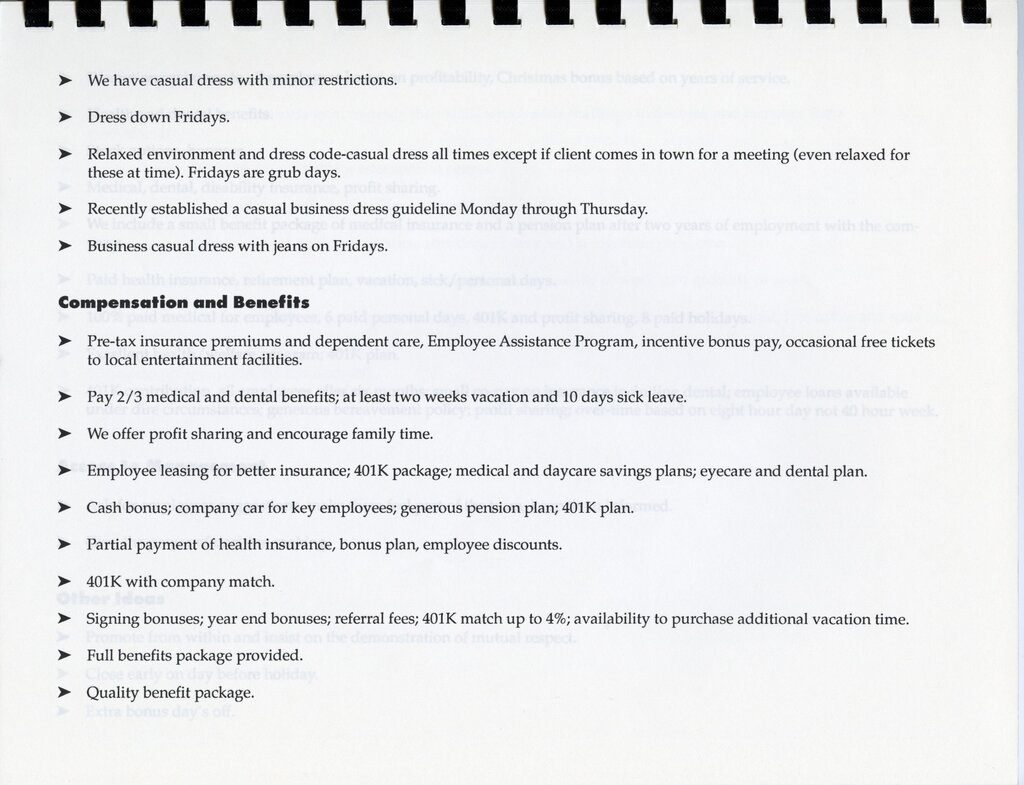
- Benefits: This includes details on health insurance, retirement plans (like a 401(k)), paid time off (vacation, sick days), and any other perks the company offers. The contract should specify when you become eligible for these benefits.
Termination Conditions
No one likes to think about a job ending, but this section is vital. It explains the circumstances under which you or your employer can end the employment relationship. It should outline the notice period required from either side. For example, you might be required to give two weeks' notice if you resign.
The contract will also define what constitutes "cause" for termination. This is important because being fired for cause (like misconduct or poor performance) can affect your eligibility for severance pay or unemployment benefits. This section protects both you and the employer by setting clear rules for parting ways professionally.
What is the primary purpose of an employment contract?
A vague job description in a contract can lead to a situation known as '_________', where you are asked to perform duties far outside your original role.
Reading and understanding your employment contract is a critical step in starting any new job. It's your guide to the role and your rights within the company.