Decoding Employment Contracts
Employment Contract Basics
What Is an Employment Contract?
An employment contract is a legally binding agreement between an employer and an employee. Think of it as the official rulebook for your job. It lays out the expectations, responsibilities, and rights for both you and your employer. The main purpose is to create clarity and security, ensuring everyone is on the same page from day one.
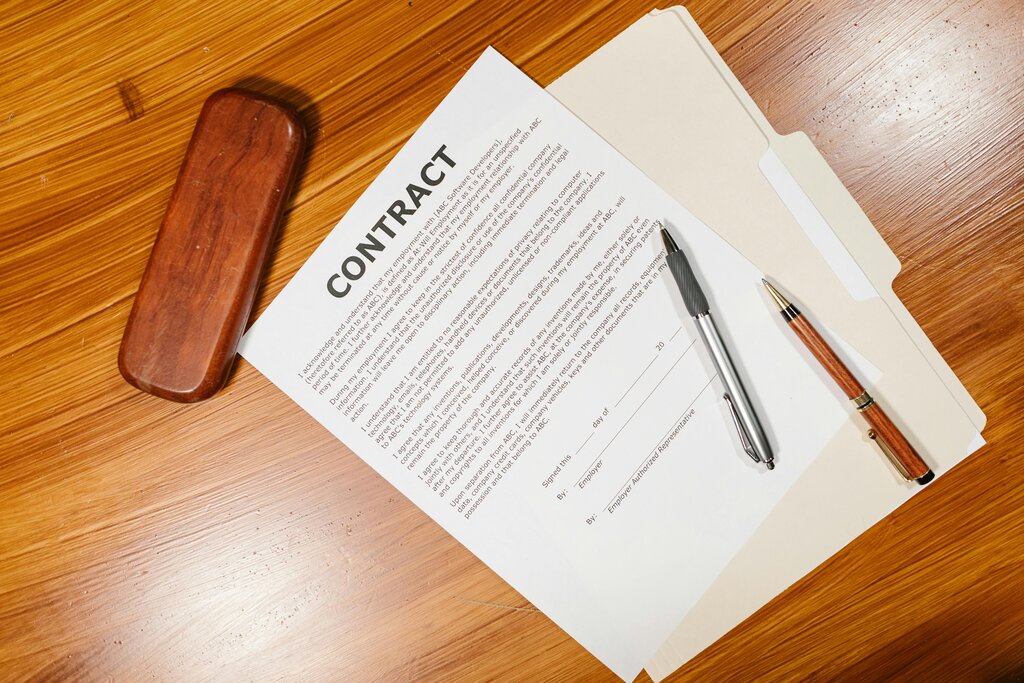
This document protects both parties. For the employee, it defines your role, how much you'll be paid, and what benefits you'll receive. For the employer, it outlines the performance they can expect and the conditions under which the employment can be terminated. While some jobs operate on a verbal agreement, a written contract provides a clear record that can prevent misunderstandings down the road.
The Core Components
Most employment contracts are built around a few key sections. While the specifics can vary, you'll almost always find these four core components.
Job Responsibilities: This section details what you'll actually be doing. It should describe your title, your day-to-day duties, and who you report to. A well-defined role helps you understand how your performance will be measured.
Pro Tip: Request a detailed job description—titles, responsibilities, and success metrics—and have it appended to the contract.
Compensation: This part covers your pay. It will specify your base salary or hourly wage, how often you'll be paid (e.g., weekly, bi-weekly), and how. It may also include details about potential bonuses, commissions, or stock options.
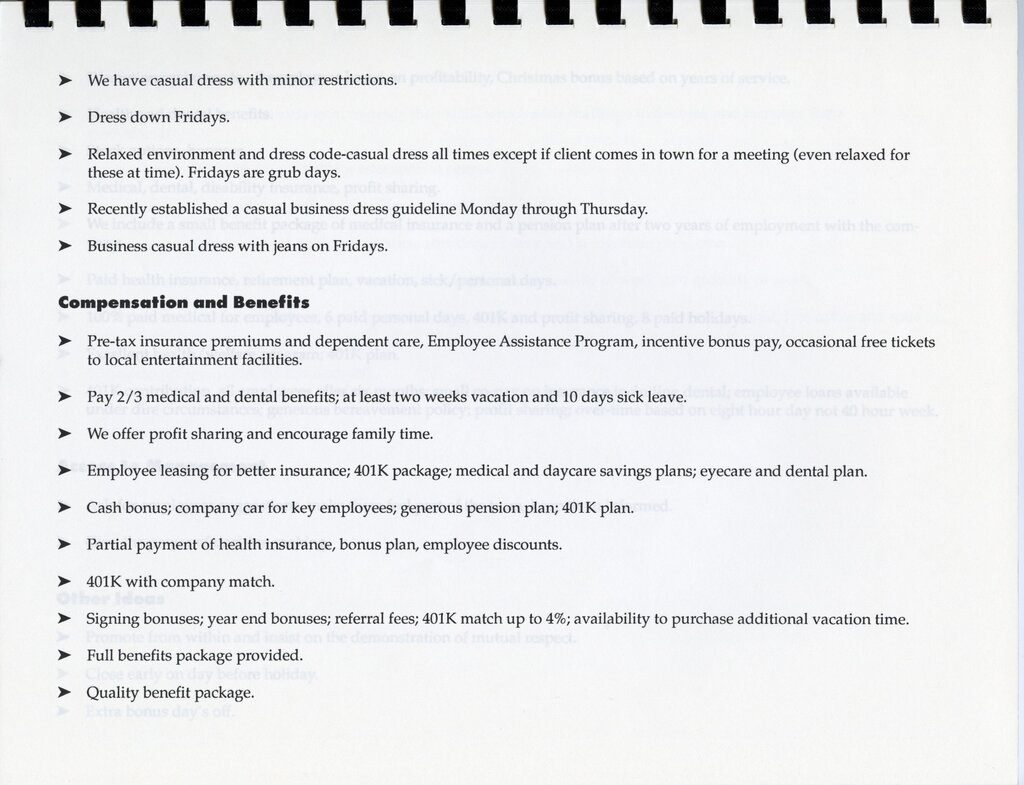
Benefits: Employment is about more than just a paycheck. This section outlines the additional perks you'll receive, such as health, dental, and vision insurance, retirement plans (like a 401(k)), paid time off (PTO), and sick leave.
Termination Conditions: Every working relationship eventually ends. This clause explains how. It will define the length of the contract (if it's for a fixed term) and the conditions for termination. It might specify a required notice period or explain the difference between being let go "for cause" (due to misconduct) and "without cause."
Is It Legally Enforceable?
Yes, a properly executed employment contract is a legally enforceable document. For a contract to be valid, it generally needs a few things: an offer from the employer, an acceptance by the employee, and what's called "consideration"—the exchange of value (your work for their payment). Both parties must also be legally competent to enter into an agreement.
Once signed, both you and your employer are obligated to follow the terms. If one party fails to do so, it's considered a breach of contract, which can have legal consequences.
However, it's important to know that many jobs in the U.S. are "at-will." This is a default employment status, not always a formal contract clause. It means either the employer or the employee can terminate the relationship at any time, for any reason that isn't illegal (like discrimination), without facing a breach of contract claim. A formal contract can sometimes modify or replace this at-will status by specifying termination conditions.
Now, let's test your understanding of these core concepts.
What is the primary purpose of an employment contract?
Which of these topics would you typically find in the 'Benefits' section of an employment contract?
Understanding these fundamentals is the first step in navigating any job offer with confidence.