Decoding Employment Contracts
Employment Contract Basics
The Anatomy of a Job Contract
An employment contract is more than just a piece of paper you sign on your first day. It's the blueprint for your relationship with your employer. It lays out the expectations, responsibilities, and rewards for both sides. Getting familiar with its core parts helps you understand exactly what you're agreeing to.

Defining Your Role
One of the first things a contract will outline is your job responsibilities. This section should be a clear and specific description of your duties, your title, and who you report to. It's the 'what you'll actually be doing' part of the agreement.
A vague job description can lead to confusion later on. You might be asked to take on tasks you never expected, or you might find the role isn't what you thought it was. A well-written contract provides clarity, ensuring that you and your employer share the same understanding of your role from day one.
Pro Tip: Request a detailed job description—titles, responsibilities, and success metrics—and have it appended to the contract.
Pay and Perks
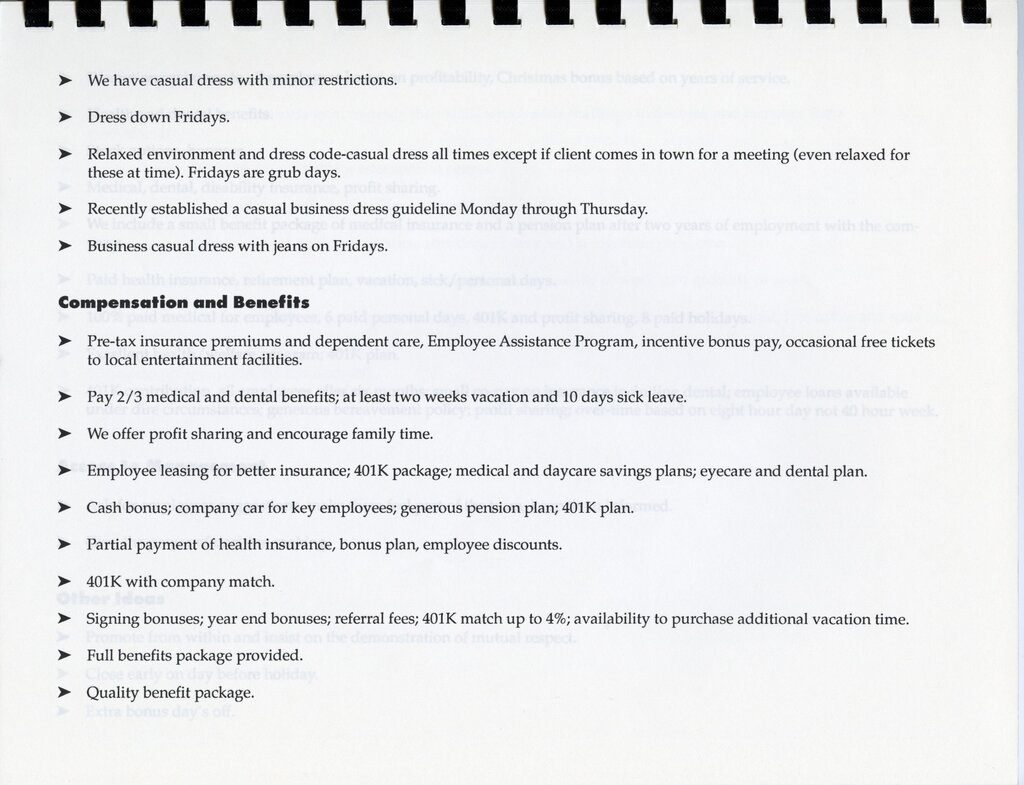
The compensation section details how much you'll be paid and when you can expect your paycheck. This includes your base salary or hourly wage. It might also specify how bonuses, commissions, or stock options are calculated and distributed.
But compensation is just one piece of the puzzle. The contract should also list the benefits you're entitled to. This can include:
- Health, dental, and vision insurance
- Retirement savings plans, like a 401(k), and whether the company offers a match
- Paid time off (PTO), including vacation days, sick leave, and holidays
- Other perks, such as tuition reimbursement or a wellness stipend
Confidentiality and Parting Ways
Most employment contracts include a confidentiality agreement, sometimes called a non-disclosure agreement (NDA). This clause requires you to protect the company's sensitive information, like trade secrets, client lists, or financial data, both during and after your employment.
Confidentiality
noun
The legal obligation to not disclose or misuse a company's private information, often detailed in a specific clause or separate agreement.
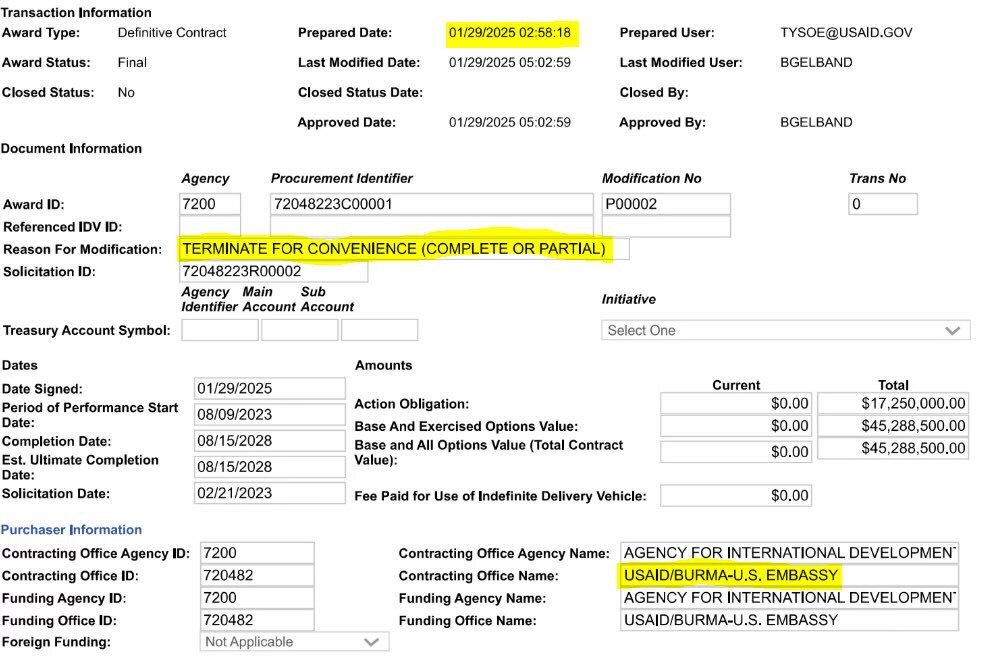
Contracts also explain what happens if the employment relationship ends. This is covered in the termination clause. It will specify the conditions under which you or your employer can end the contract. For example, it will outline the notice period required for resignation. It will also define what constitutes 'termination for cause,' which refers to being fired for a specific reason, such as misconduct. This is different from a layoff or being terminated 'without cause.'
Understanding these key sections will help you read any employment contract with confidence. Now, let's test your knowledge.
Why is a clear and specific job description a crucial part of an employment contract?
Which of the following would you typically find detailed in the 'Compensation and Benefits' section of an employment contract?