Decoding Election Polls
Introduction to Election Polls
Taking the Public's Pulse
Election polls are snapshots of public opinion. They survey a small, carefully chosen group of people to understand what a larger population—like the voters of an entire country—might be thinking about candidates or political issues at a specific moment.
Election polls play a critical role in political discussions by probing public opinion and enabling political parties to assess their performance before elections.
Think of it like a chef tasting a spoonful of soup to know what the whole pot tastes like. The spoonful needs to have a little bit of everything in the pot—the broth, the vegetables, the spices—to be an accurate sample. Similarly, a good poll must include a representative mix of people from the group it's trying to measure.
Polls aren't crystal balls. They don't predict the future, but they do provide a valuable glimpse into the current political climate, helping campaigns, journalists, and the public understand which way the wind is blowing.
From Straw Polls to Science
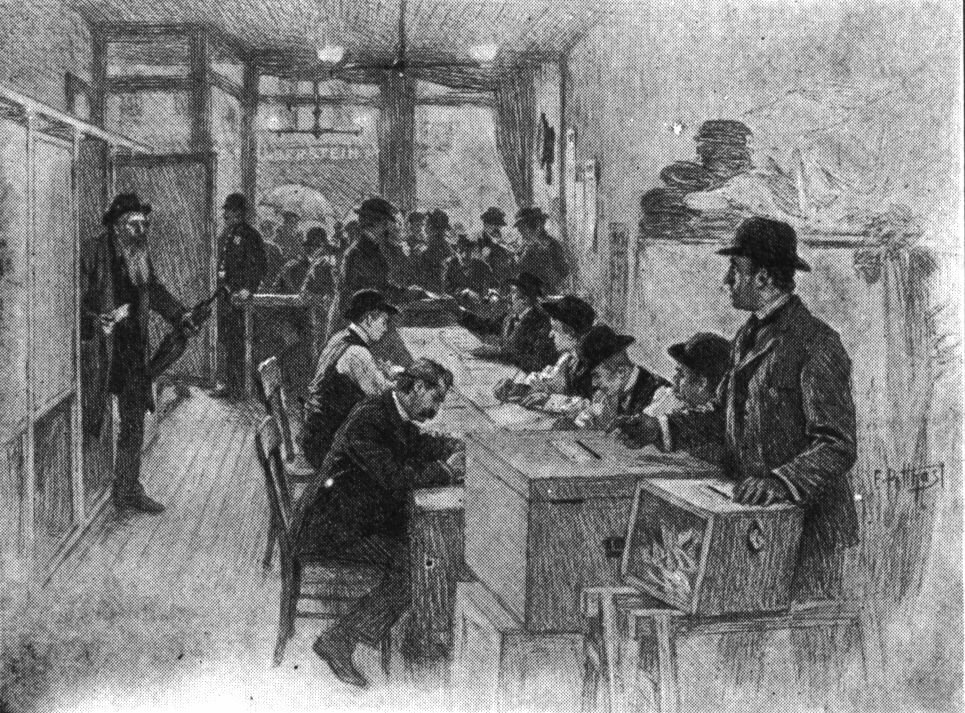
The idea of polling has been around for a long time. Early on, newspapers conducted informal surveys called “straw polls.” They would ask their readers to mail in ballots or stop people on the street to ask who they planned to vote for. These polls were fun but often unreliable because they only captured the opinions of a specific, non-random group of people.
The game changed in 1936. A popular magazine, the Literary Digest, conducted a massive poll and confidently predicted that Alf Landon would overwhelmingly defeat Franklin D. Roosevelt in the U.S. presidential election. They polled millions of people, but their sample was drawn from magazine subscribers, telephone directories, and car registrations—items that, during the Great Depression, skewed toward wealthier households.
At the same time, a young pollster named George Gallup used a much smaller, but scientifically selected, sample of voters that better reflected the entire population. He correctly predicted Roosevelt's landslide victory. This spectacular failure of the Literary Digest poll and the success of Gallup's methods marked a turning point, proving that the quality of a sample is far more important than its size.
Different Polls, Different Goals
Not all polls are created equal, and they serve different purposes. Understanding the type of poll helps you understand the information it's providing.
| Poll Type | Purpose | When It's Used |
|---|---|---|
| Opinion Poll | Measures public opinion on a candidate or issue. | Throughout the election cycle. |
| Exit Poll | Asks voters who they voted for as they leave the polling station. | On Election Day. |
| Tracking Poll | Repeatedly surveys the same group to monitor changes in opinion. | Daily or weekly during a campaign. |
An opinion poll is the most common type you'll see. It’s that classic snapshot of who’s ahead and who’s behind.
Exit polls are unique because they survey actual voters. Media outlets often use them on election night to help project winners before all the votes are officially counted.
Tracking polls are all about momentum. By asking the same questions to similar groups over time, they can reveal how events like debates or news stories are affecting voter sentiment.
The Role of Polls in a Democracy
In a democratic society, polls serve as a channel between the public and political leaders. They offer a way for citizens' voices to be heard outside of Election Day, providing feedback on policies and performance. For politicians, polls can highlight which issues matter most to voters, helping them shape their platforms and campaign strategies.
But polls can also influence the very thing they are meant to measure. Media coverage of polls can shape public discourse. A candidate who is leading in the polls might receive more media attention and be seen as more viable, creating a
bandwagon
noun
The tendency for people to adopt certain behaviors or beliefs because many others are doing so.
Conversely, a candidate trailing in the polls might struggle to gain traction and raise funds. This influence means that polls are not just passive observers of the political process; they are active participants in it.
They give us a sense of the collective mood and help us understand the political landscape we all share. While no single poll is perfect, they remain a vital tool for listening to the public.
What is the primary function of an election poll?
The 1936 'Literary Digest' poll famously failed to predict Franklin D. Roosevelt's victory. What was the main reason for its inaccuracy?