Decoding Election Polls
Introduction to Election Polls
What Are Election Polls?
Election polls are surveys designed to take the pulse of the public. Think of them as a snapshot. They capture what a specific group of people thinks about candidates and issues at a particular moment in time. Their main goal isn't to predict the future with perfect certainty, but to understand current public opinion.
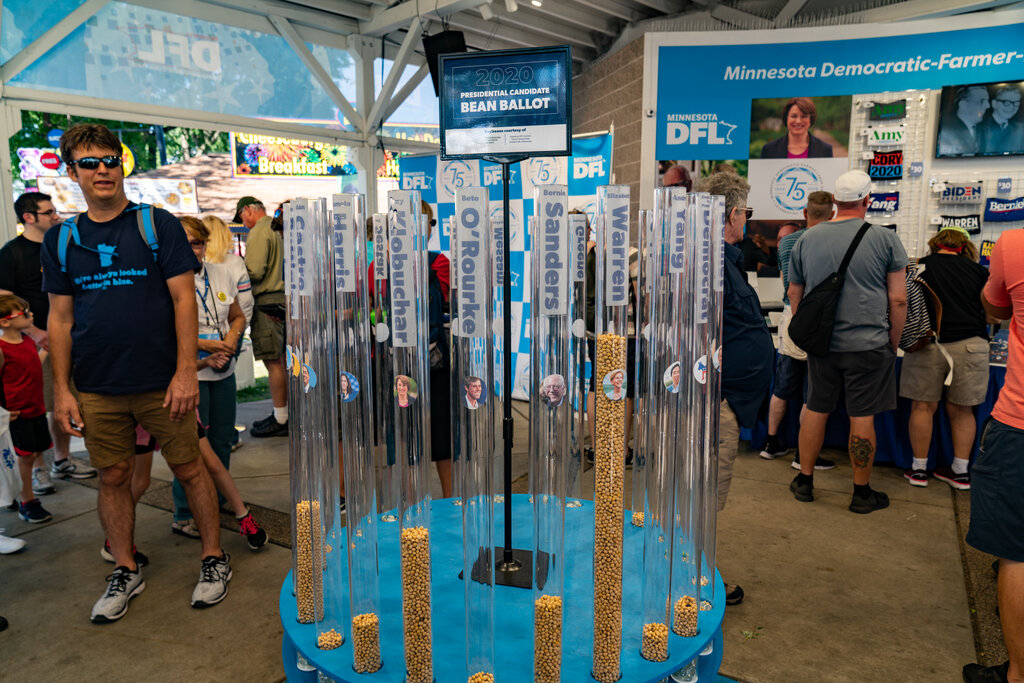
Political campaigns use polls to shape their strategy. News organizations use them to report on the state of a race. For the public, polls offer a window into the minds of fellow voters, showing which candidates are leading and which issues are resonating the most.
A Quick History
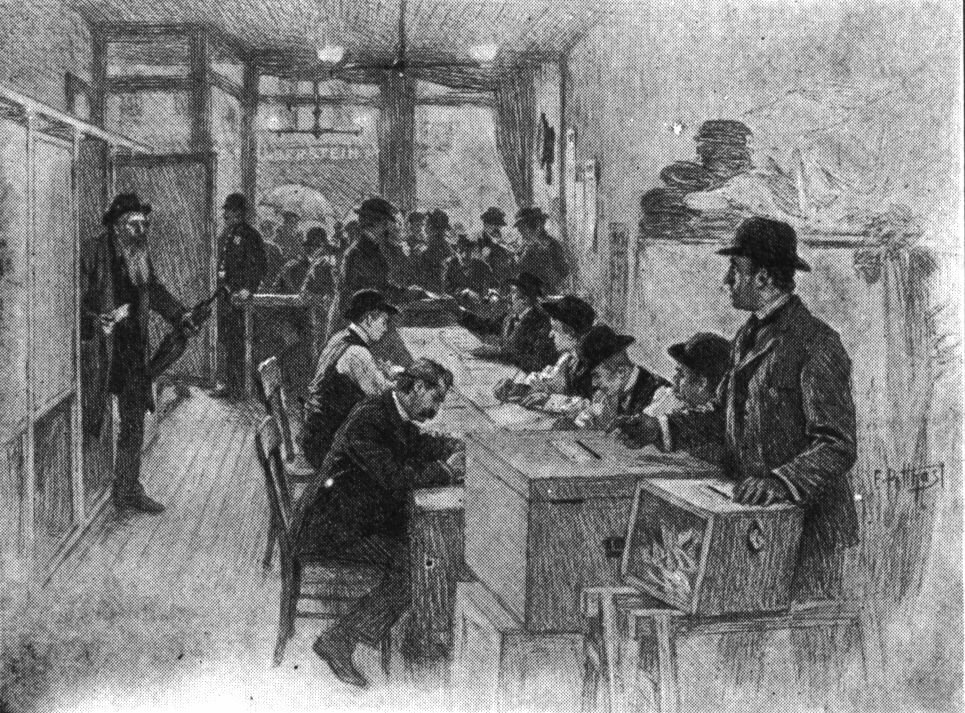
The idea of polling isn't new. In the 19th century, American newspapers conducted informal surveys called “straw polls.” They might ask people on a busy street or subscribers to their magazine who they planned to vote for. These polls were fun but often inaccurate because they didn't survey a representative slice of the population.
Modern, scientific polling emerged in the 1930s with pioneers like George Gallup. They began using statistical methods to select smaller, more representative groups to interview. This was a huge leap forward.
But there were growing pains. The most famous mistake was in 1948, when polls confidently predicted Thomas Dewey would defeat Harry S. Truman for president. The Chicago Daily Tribune even printed the headline "DEWEY DEFEATS TRUMAN." Truman won, and the error served as a major lesson for pollsters about the challenges of predicting who will actually turn out to vote.
Types of Polls
Not all polls are the same. They serve different purposes and are conducted at different times during an election cycle.
| Poll Type | Purpose | When It's Done |
|---|---|---|
| Opinion Poll | Measures public opinion and voter preference. | Throughout the election cycle. |
| Exit Poll | Asks voters who they chose just after they leave the polling place. | On Election Day only. |
| Tracking Poll | Tracks changes in opinion by surveying people continuously. | Often daily or weekly in the final months of a campaign. |
Opinion polls are what you most often see reported in the news. Exit polls are crucial on election night for helping news networks project winners quickly. Tracking polls help campaigns see if their message is working or if a recent event has swayed voters.
Who Do They Ask?
It's impossible to ask every single voter their opinion. Instead, pollsters survey a smaller group, known as a sample, to represent the entire population.
sample
noun
A smaller, manageable group of people selected from a larger population to participate in a survey.
The key to a good poll is making sure the sample is representative. This means it should mirror the demographics of the larger population of voters. Pollsters work to get the right mix of people based on age, gender, race, location, education, and other factors. If a sample has too many people from one group and not enough from another, the poll's results will be skewed.
Think of it like tasting soup. You don't need to eat the whole pot to know how it tastes. But you do need to stir it first so your spoonful represents all the ingredients.
A well-constructed, representative sample allows pollsters to be reasonably confident that the opinions of a few hundred or thousand people reflect the views of millions.
Done properly, polling can be very accurate and provide invaluable insights into public opinion, said Krosnick, who studies survey methodologies.
Now, let's test your understanding of these core concepts.
What is the main purpose of an election poll?
What is the key difference between early "straw polls" and modern scientific polls?
Understanding what polls are, where they came from, and how they're constructed is the first step in becoming a savvy consumer of election news.