Decoding Election Polls
Understanding Polling Fundamentals
What is a Poll?
An election poll is a survey designed to measure public opinion about a candidate or an issue. Think of it as a snapshot. It captures what a specific group of people thinks at a particular moment in time. The main purpose is to get a sense of the political landscape without having to ask every single person in the country.
Since it's impossible to survey an entire population, pollsters select a smaller group, called a sample. The goal is for this small group to accurately reflect the views of the larger population. If the sample is chosen correctly, the results of the poll should be close to what you'd find if you could actually survey everyone.
Types of Polls
Polls come in a few different flavors, each with a specific job. The most common types you'll encounter during an election season are opinion polls, exit polls, and tracking polls.
| Poll Type | When It's Conducted | What It Asks |
|---|---|---|
| Opinion Poll | Weeks or months before an election | "Who do you plan to vote for?" |
| Exit Poll | On Election Day, right after voting | "Who did you just vote for?" |
| Tracking Poll | Repeatedly over a period of time | "Has your opinion changed since last week?" |
Opinion polls are the most common; they help us gauge the political climate leading up to an election. Exit polls give us an early indication of the results and help explain why people voted the way they did. Tracking polls are useful for watching how opinions shift in response to events like debates or news stories.
Choosing Who to Ask
The accuracy of a poll depends heavily on its sample. If you only poll people from one city or one age group, your results won't reflect the entire country. Pollsters use specific methods to ensure their sample is a good miniature version of the total population.
Random Sampling
noun
A method where every person in the population has an equal chance of being selected for the sample.
Imagine putting the name of every voter in a giant hat and drawing out 1,000 names. That's the basic idea of random sampling. It's simple and, if the population is well-mixed, can be very effective.
A more advanced technique is stratified sampling. Here, the population is first divided into important subgroups, or 'strata'—for example, by age, gender, ethnicity, or geographic region.
Then, a random sample is taken from each of these groups, in proportion to their size in the overall population. For instance, if women make up 51% of the population, the pollster ensures that 51% of the sample is also made up of women. This method helps guarantee that no major demographic group is accidentally left out or underrepresented.
How You Ask Matters
Once you have your sample, you need to ask them questions. The way a question is worded can have a huge impact on the answer. A well-designed question is neutral and easy to understand.
| Biased Question | Neutral Question |
|---|---|
| "Do you support the popular new bill to improve our schools?" | "Do you support or oppose the new education bill?" |
| "Would you vote for Candidate A, even with their history of scandals?" | "If the election were held today, who would you vote for?" |
The first example uses the word "popular" to nudge the respondent toward a 'yes'. The second example brings up negative information about one candidate. Good polls avoid this kind of leading language to get a more accurate reading of public opinion.
If the results of a poll or survey differ significantly from what others have found, examine its methodology — including its question order.
Finally, pollsters have to decide how to reach people. Traditionally, this was done with live telephone calls to landlines. Today, methods are more varied and often combined:
- Telephone Surveys: Still common, but now include both landlines and cell phones.
- Online Surveys: Conducted via email invitations, pop-ups on websites, or through dedicated panels of respondents.
- Face-to-Face Surveys: Less common due to cost, but they involve an interviewer asking questions in person, often at a person's home.
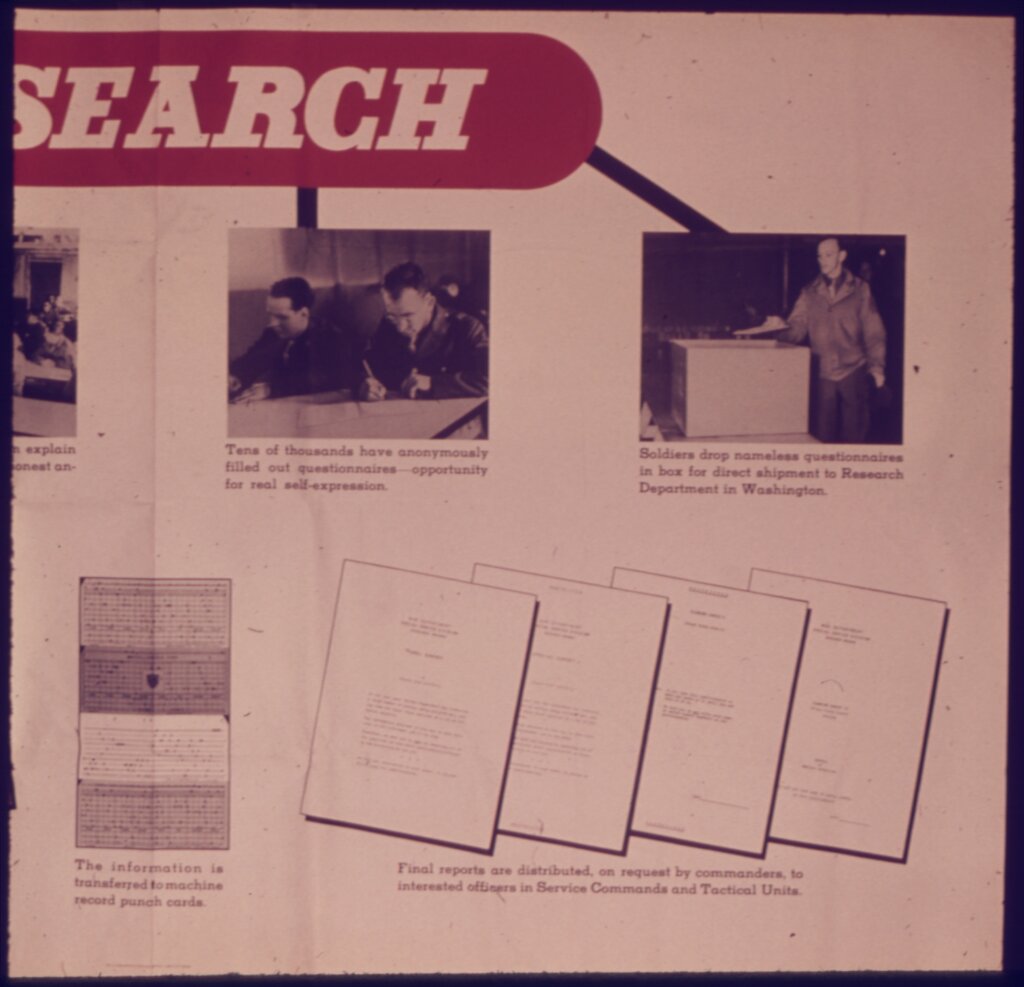
Each method has its pros and cons. Phone surveys can struggle to reach younger people, while online surveys may miss those who aren't tech-savvy. Pollsters often use a mix of these methods to get the most representative sample possible.
What is the primary purpose of an election poll?
A pollster who wants to track how public opinion changes in the final weeks leading up to an election would use a(n) _________ poll.
These fundamentals—understanding a poll's purpose, type, sample, and methods—are the first step in becoming a savvy consumer of political news.