Decoding Election Polls
Understanding Polling Fundamentals
What Are Polls?
An election poll is a survey designed to measure public opinion on a particular candidate or issue. Think of it as a snapshot. It captures what a specific group of people thinks at a specific moment in time. The main goal isn't to predict the future, but to understand the present.
Here’s the most important thing to remember about election polls: they are not instruments of prediction.
Polls help campaigns understand what voters care about, which messages are working, and where they need to focus their efforts. For the public and the media, polls provide a running commentary on the state of a political race.
A Quick History
The idea of polling has been around for a long time. Early on, newspapers would conduct informal surveys called "straw polls." They'd ask their readers who they planned to vote for, or they might set up a fake ballot box in a public place. These polls were fun, but they weren't very scientific. They mostly just captured the opinions of a convenient, and often unrepresentative, group of people.
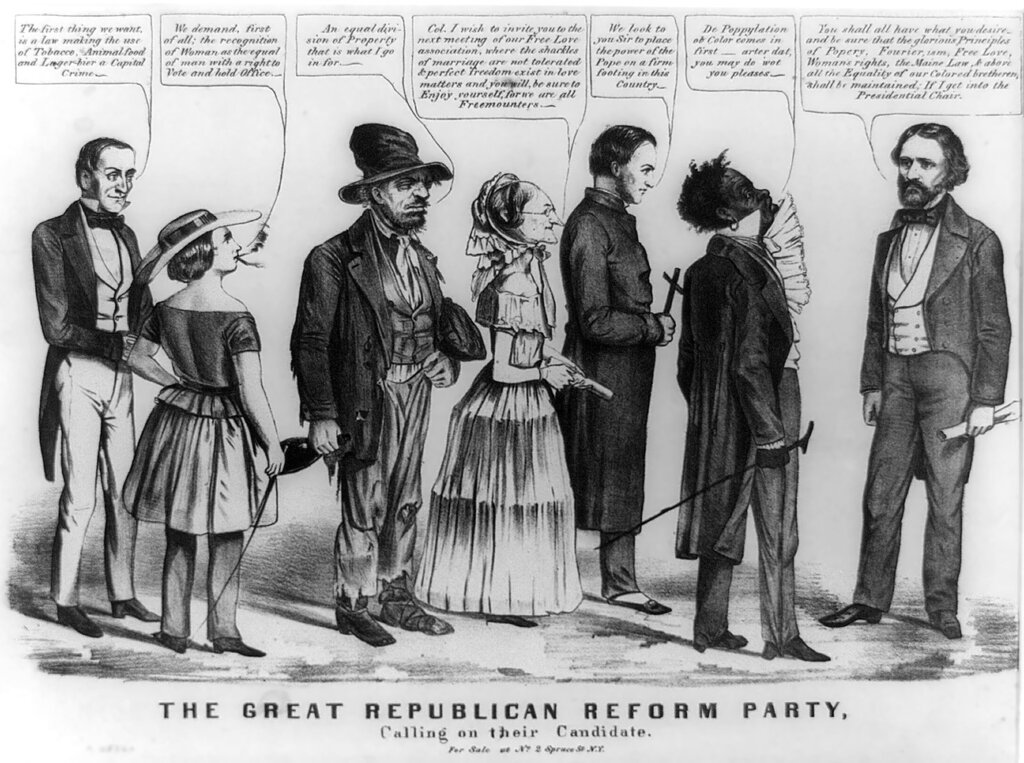
Things changed in the 1930s with the rise of scientific polling, pioneered by figures like George Gallup. He used systematic sampling methods to select a group of people that better reflected the entire country. This new approach proved far more accurate than the old straw polls.
Since then, polling has continued to evolve. Pollsters moved from face-to-face interviews to telephone calls. Today, many polls are conducted online. Each shift in technology brings new challenges and opportunities for capturing public opinion.
Types of Polls
Not all polls are the same. The two most common types you'll encounter during an election are opinion polls and exit polls.
| Type | When it's done | Who is asked | Purpose |
|---|---|---|---|
| Opinion Poll | Weeks or months before an election | A sample of likely voters | To gauge support for candidates and issues |
| Exit Poll | On Election Day | Voters leaving polling places | To understand why people voted as they did and project results |
Opinion polls are what you typically see reported in the news, tracking a candidate's popularity over time. Exit polls, on the other hand, give us the first clues about the election's outcome and provide rich data on the demographics of voters—like age, gender, and income—and how those groups voted.

How Polls Work
Getting an accurate read on public opinion is a careful science. It's not possible to ask every single voter their opinion, so pollsters survey a smaller, representative group. This relies on a few key principles.
sample
noun
A smaller group of people selected from a larger population to participate in a survey.
For a poll to be reliable, its sample must be representative of the entire population being studied (like all registered voters in a state). The gold standard is a random sample, where every person in the population has an equal chance of being selected. This helps avoid bias and ensures the results are more likely to reflect the views of the whole group.
The way questions are worded is also crucial. A well-designed question is neutral and easy to understand. A poorly worded question can influence the answers and skew the results.
For example, consider these two ways of asking about a policy:
Leading Question: "Given the importance of protecting our environment, do you support the new Clean Air Act?"
Neutral Question: "Do you support or oppose the new Clean Air Act?"
The first question encourages a "yes" answer by framing the act in a positive light. The second is neutral and simply asks for an opinion.
Finally, pollsters collect this data in several ways: live telephone interviews, automated phone calls, and, increasingly, online surveys. Each method has its own strengths and weaknesses when it comes to reaching a representative sample of the population.
Let's check your understanding of these core polling concepts.
What is the primary goal of an election poll?
What was the main limitation of early, unscientific "straw polls"?
Understanding these fundamentals—what polls are, how they've evolved, and the methods behind them—is the first step to becoming a savvy consumer of political news.