Decoding Election Polls
Introduction to Election Polls
What Are Election Polls?
Election polls are surveys designed to gauge public opinion on candidates and political issues. Think of them as a snapshot. They capture what a specific group of people is thinking at a particular moment in time. The main goal is to get a sense of the political landscape before an election.
Polls don't predict the future; they measure public sentiment as it exists when the poll is taken.
Campaigns use this information to understand what voters care about, which helps them tailor their messages and strategies. For the public and the media, polls offer a running commentary on the state of a political race, showing who's ahead, who's falling behind, and what issues are resonating with the electorate.
A Brief History of Polling
The idea of polling isn't new. Early forms, known as straw polls, date back to the 19th century in the United States. Newspapers would informally survey people in public places to get a rough idea of who might win an election. These were unscientific and often unreliable, but they were the first attempt to systematically measure public opinion.
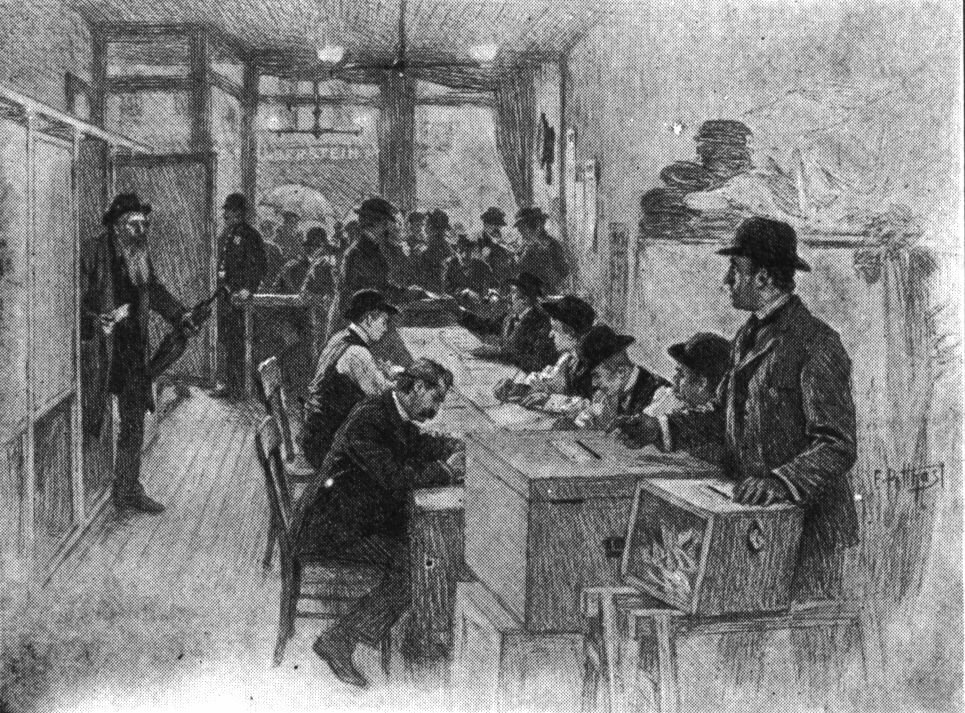
Political polling became more scientific in the 1930s. Pioneers like George Gallup introduced methods that used smaller, more representative samples of the population. This was a major leap forward, making polls a much more accurate and influential part of the political process. Over time, techniques continued to evolve with technology, moving from face-to-face interviews to telephone calls and now to online surveys.
Types of Polls
Not all polls are created equal. They are conducted at different times and for different reasons. Here are three common types you'll encounter during an election cycle.
Straw Poll
noun
An unofficial, informal poll conducted to gauge opinion or support on an issue or candidate.
As mentioned, straw polls are the oldest type. They're not considered reliable for predicting outcomes because they don't use scientific sampling methods. Anyone can participate, which means the results often reflect the opinions of a passionate, but not necessarily representative, group.
Opinion polls are the most common type. These are the scientific surveys you see referenced in the news, conducted by professional polling organizations. They aim to measure the attitudes of a specific population, like likely voters, by asking a carefully selected, random sample of that group.
Exit polls are conducted on Election Day itself. Pollsters wait outside polling places and ask voters how they voted just after they've cast their ballots. These polls are used to help news organizations project winners early and to analyze voting patterns among different demographic groups.
| Poll Type | When It's Conducted | Who Is Asked | Primary Purpose |
|---|---|---|---|
| Straw Poll | Anytime, often early in a race | Anyone who wants to participate | To generate buzz and gauge early enthusiasm |
| Opinion Poll | Throughout the campaign | A random, representative sample | To measure public opinion and track trends |
| Exit Poll | On Election Day | Voters leaving the polling place | To project winners and analyze voter behavior |
The Role of Polls in Elections
Polls do more than just satisfy our curiosity about who might win. They play an active role in the democratic process. For political campaigns, polling data is essential for making strategic decisions. It can reveal which messages are working, where to allocate resources, and which groups of voters need more attention.
Election polls play a critical role in political discussions by probing public opinion and enabling political parties to assess their performance before elections.
The media also relies heavily on polls to frame their election coverage. The rise and fall of candidates in the polls can become a major storyline, influencing how the public perceives the race. For voters, polls can provide useful information about the candidates and their chances, potentially affecting their own voting decisions. They offer a window into the collective mindset of the electorate, making public opinion a tangible force in the political conversation.
Now, let's test your knowledge on the basics of election polling.
What is the primary purpose of an election poll?
A poll conducted on Election Day by interviewing voters as they leave their voting location is known as a(n)...
Understanding what polls are and the different forms they take is the first step in becoming a more informed observer of elections.