Decoding Election Polls
Understanding Election Polls
What Are Election Polls?
At its heart, an election poll is a survey designed to take the temperature of the public. It asks a small, representative group of people who they plan to vote for or what they think about a particular issue. The goal is to get a snapshot of the opinions of a much larger population, like an entire country, without having to ask everyone.
poll
noun
A survey of public opinion from a particular sample.
Polls serve two main purposes. First, they help campaigns, journalists, and voters understand the political landscape. A candidate might change their strategy based on poll results, and news outlets use them to report on the state of a race. Second, they attempt to predict the outcome of an election. This predictive power is what gets the most attention, but it's also the most challenging part to get right.
Think of a poll not as a crystal ball, but as a snapshot in time. It reflects what a sample of people are thinking at the moment they are asked.
A Quick History
The idea of polling isn't new. The earliest versions were informal surveys called "straw polls," which started in the United States in the 19th century. Newspapers would ask people on the street or at public gatherings who they supported for president, just to get a sense of the political winds. These polls were unscientific but popular.
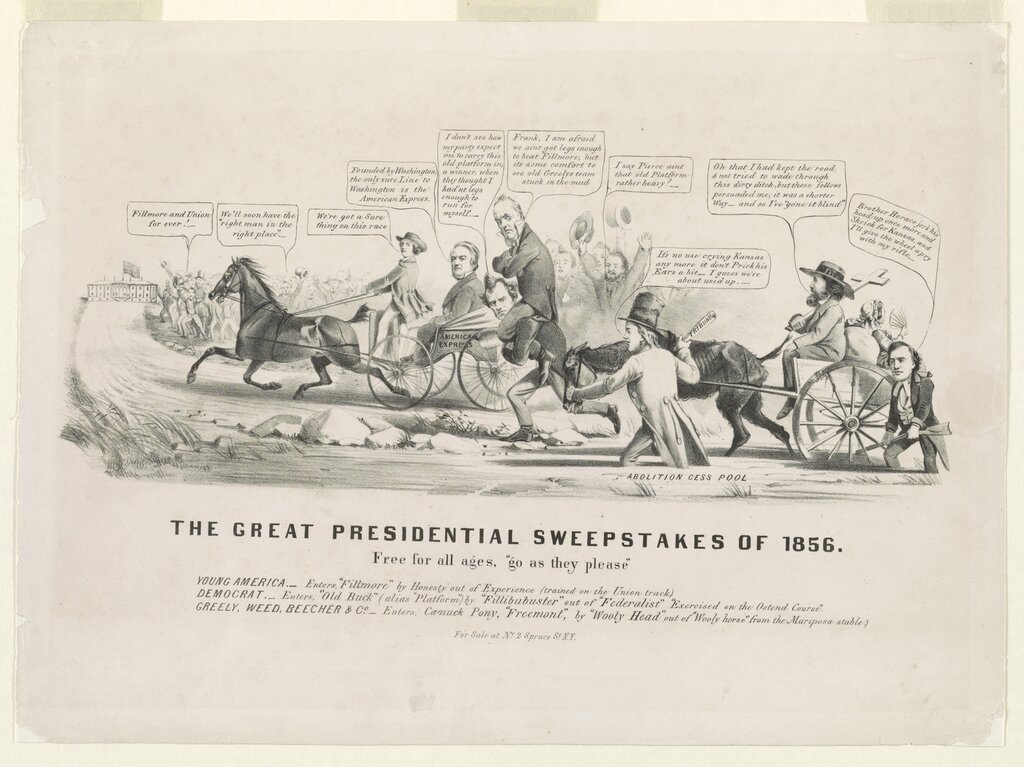
Polling became more scientific in the 1930s with pioneers like George Gallup. They developed methods to sample the population more accurately, aiming for a group that truly reflected the demographics of the country. This was a major leap forward from simply asking whoever was available.
Of course, there were famous stumbles. In 1936, the Literary Digest magazine confidently predicted a landslide victory for one presidential candidate based on a massive poll of its readers. It was spectacularly wrong. The magazine's readers weren't representative of the average American voter, a hard lesson that underscored the importance of proper sampling.
Types of Polls
Not all polls are created equal. You'll often hear about a few different types during an election season, each with a different purpose.
| Poll Type | When It's Conducted | Main Purpose |
|---|---|---|
| Opinion Poll | Before an election | To gauge voter preference and track changes over time. |
| Exit Poll | On Election Day, as voters leave | To predict the winner early and understand voter demographics. |
| Straw Poll | Anytime, often informally | To measure opinion in a non-scientific way. |
Opinion polls are the most common type. They are conducted regularly throughout a campaign to measure support for candidates and issues. These are the polls you see cited in the news for months leading up to an election.
Exit polls happen on Election Day itself. Surveyors wait outside polling places and ask people how they voted just after they've cast their ballots. News organizations use this data to project a winner shortly after the polls close and to analyze why people voted the way they did. For example, an exit poll can tell us how different age groups or genders voted.

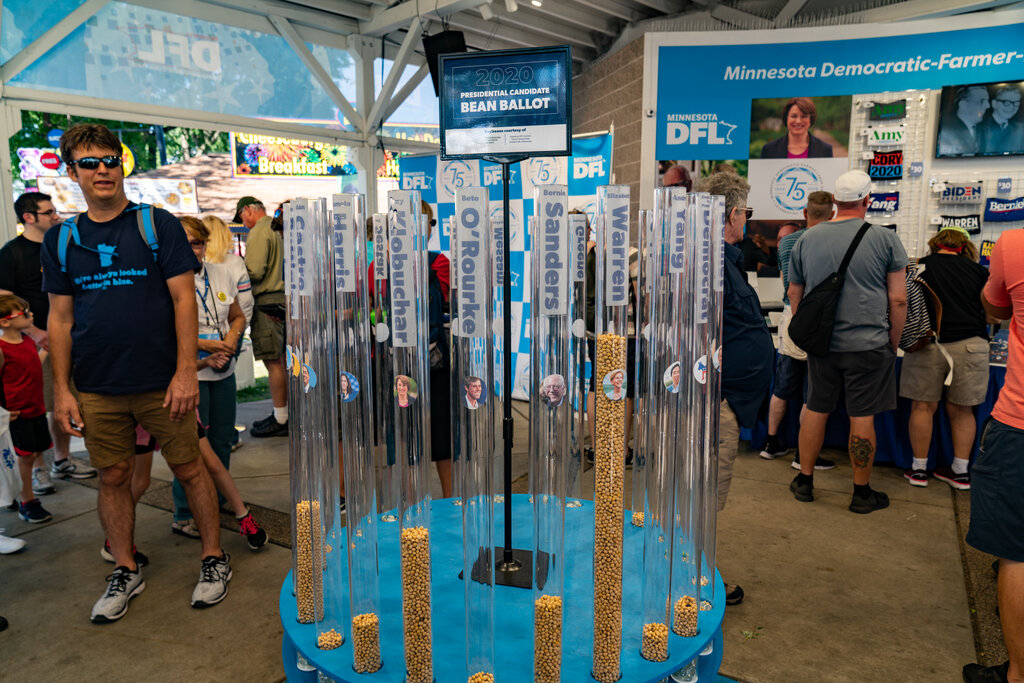
Straw polls are informal and unscientific. They might take the form of an online survey on a news website, a show of hands at a meeting, or even people dropping beans in a jar at a state fair. While fun, they aren't reliable predictors because the participants are self-selected and not representative of the broader population.
Why Polls Matter
In a democracy, polls are a way to measure the will of the people between elections. They can give the public a voice, highlighting which issues are most important to them. For candidates, polls provide crucial feedback on their message and standing with voters. For the media, they offer a data-driven way to tell the story of an election campaign.
Election polls play a critical role in political discussions by probing public opinion and enabling political parties to assess their performance before elections.
They also influence the political process itself. Strong poll numbers can help a candidate raise money and earn media attention, while weak numbers can have the opposite effect. They don't decide elections—voters do—but they are a powerful tool for understanding the democratic conversation as it unfolds.
What is the primary goal of an election poll?
A news website posts a survey on its homepage asking visitors to vote for their preferred candidate. Which category best describes this type of poll?