Decoding Election Polls
Introduction to Election Polls
Gauging the Public Mood
An election poll is essentially a snapshot of public opinion at a specific moment. It's a survey designed to measure how a population feels about a particular candidate, issue, or political party. By asking a small, representative group of people a set of questions, pollsters try to understand the views of the larger population.
The main goal is to capture a clear picture of the political landscape, helping campaigns, journalists, and the public understand which way the wind is blowing.
For political campaigns, polls are indispensable tools. They help candidates understand what voters care about, which messages are resonating, and where they need to focus their efforts. For the public and the media, polls offer a way to track the progress of an election and understand the key dynamics at play.
A Quick History of Polling
The idea of polling isn't new. For a long time, newspapers conducted informal surveys called “straw polls.” They would ask their readers who they planned to vote for, often by mailing back a coupon. These polls were fun but not very scientific, as they only captured the opinions of a specific group: the newspaper's subscribers.
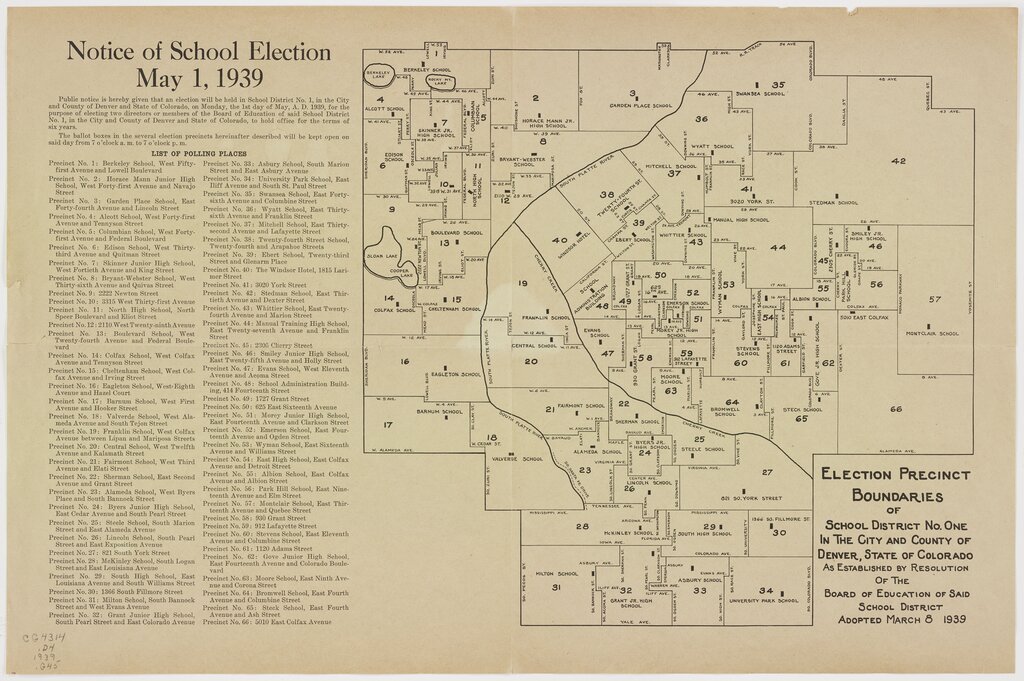
The limitations of this method became glaringly obvious in 1936. A popular magazine, The Literary Digest, conducted a massive poll and confidently predicted that Alf Landon would defeat the incumbent president, Franklin D. Roosevelt. The magazine was spectacularly wrong. Roosevelt won in a landslide.
The problem? The magazine polled its own readers and people who had telephones and owned cars—a wealthier group during the Great Depression that didn't represent the average American voter. This massive failure opened the door for a new, more scientific approach to polling pioneered by figures like George Gallup, who used smaller, but more representative, samples to correctly predict the 1936 election.
Different Polls for Different Jobs
Not all polls are created equal. Different types are used at different stages of an election to accomplish specific goals.
| Poll Type | Purpose | When It's Done |
|---|---|---|
| Benchmark Poll | To get a baseline of a candidate's support and public image. | At the very start of a campaign. |
| Tracking Poll | To monitor shifts in public opinion over time. | Repeatedly throughout a campaign. |
| Exit Poll | To understand who voted for whom and why. | On Election Day, as voters leave polling places. |
Benchmark polls help shape the initial campaign strategy. Tracking polls allow campaigns to adjust their tactics in response to changing voter sentiment. And exit polls give us our first glimpse into the election results and provide rich data on the demographics and motivations of voters.
The Role of Polls in a Democracy
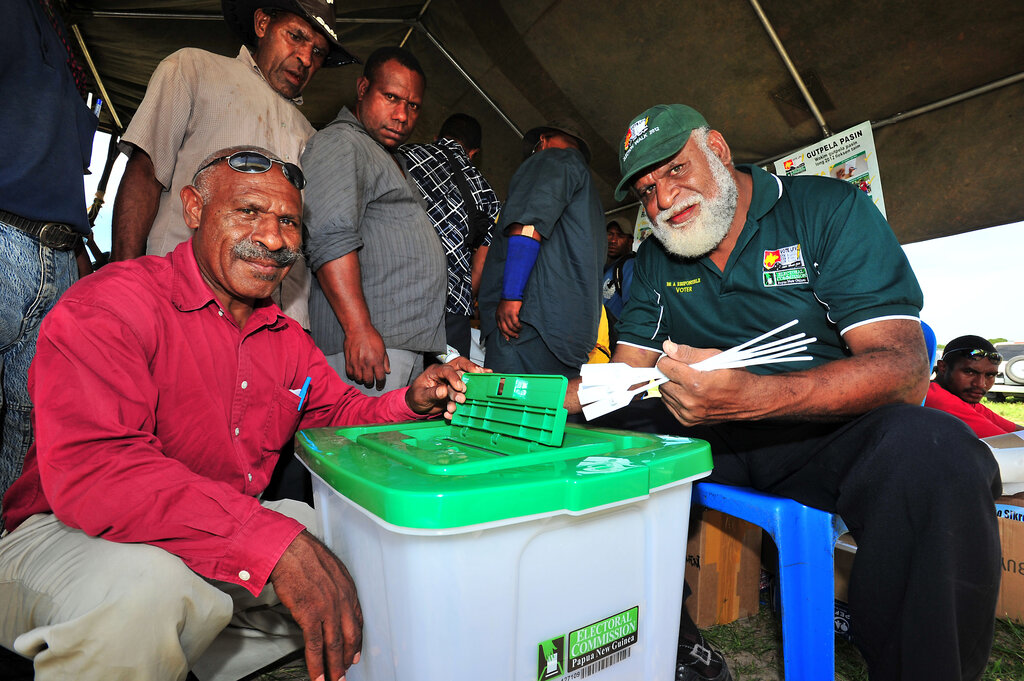
In a democratic society, polls serve as a vital link between the public and political leaders. They provide a channel for public opinion to be heard between elections, ensuring that the concerns of the people are not ignored. They can highlight which issues are most important to citizens, influencing the national conversation and even policy decisions.
Election polls play a critical role in political discussions by probing public opinion and enabling political parties to assess their performance before elections.
However, polls also face criticism. Some argue they can turn elections into a horse race, where the focus is more on who's ahead rather than on the substantive issues. There's also the risk that polls could influence voters, creating a "bandwagon effect" where people support the candidate who appears to be winning.
Despite these concerns, polls remain a fundamental part of modern politics. When conducted and interpreted carefully, they provide valuable insights into the electorate's mindset.
Let's review the main types of polls we've discussed.
Ready to test your knowledge?
What is the primary function of an election poll?
The 1936 Literary Digest poll incorrectly predicted the presidential election outcome primarily because...
Understanding the basics of polling is the first step. Next, we'll look at what makes a poll reliable.