Decoding Election Polls
Introduction to Election Polls
What Are Election Polls?
An election poll is a survey of a small, representative group of people, designed to understand the opinions of a much larger population. Think of it like a chef tasting a spoonful of soup. They don't need to eat the whole pot to know if it needs more salt. Similarly, pollsters don't need to ask every single voter who they plan to vote for.
The goal of a poll is to create a snapshot of public opinion at a specific moment in time.
By carefully selecting a sample of people who reflect the entire voting population in terms of age, gender, location, and other factors, pollsters can make a well-informed estimate about an election's outcome. These surveys are a key tool for politicians, journalists, and the public to gauge the political landscape.
A Quick History
The idea of polling isn't new. In the 19th century, American newspapers conducted informal surveys called "straw polls." They would ask readers to mail in their preferences or publish unofficial ballots. These polls were entertaining but often inaccurate because the participants weren't representative of the general population. It was like asking only the people in the front row of a concert who their favorite band is.
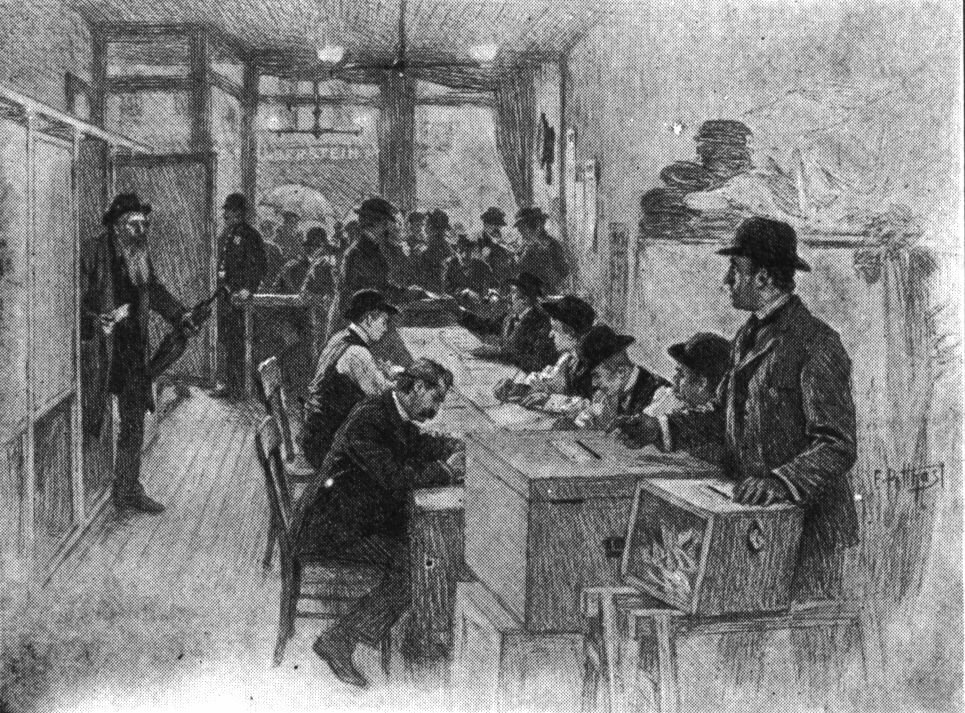
Modern polling began to take shape in the 1930s with pioneers like George Gallup. He championed more scientific methods, using smaller, but more carefully selected, random samples to predict election outcomes. This was a major leap forward.
Over the decades, the methods continued to evolve. In-person interviews gave way to telephone calls, which became the standard for many years. Today, with the decline of landlines and the rise of the internet, online surveys are increasingly common.
How Polls Are Conducted
Pollsters use several methods to reach people. Each has its own strengths and weaknesses.
| Method | How It Works | Pros & Cons |
|---|---|---|
| Telephone Polls | Pollsters call a random sample of landlines and cell phones. | Pro: Can reach a wide range of demographics. Con: Response rates are low as many people don't answer unknown numbers. |
| Online Polls | People from a pre-recruited panel are invited to take a survey online. | Pro: Fast and inexpensive. Con: The panel might not perfectly represent the whole population. |
| In-Person Polls | Interviewers ask people questions face-to-face, often as they exit a polling place (an "exit poll"). | Pro: High response rate and confirms the person actually voted. Con: Expensive and logistically complex. |
The Role of Polls in a Democracy
In a democratic society, polls serve several important functions. They provide a channel for the public to express its views to political leaders between elections. When polls show that a certain issue is a top concern for voters, politicians are more likely to pay attention to it.
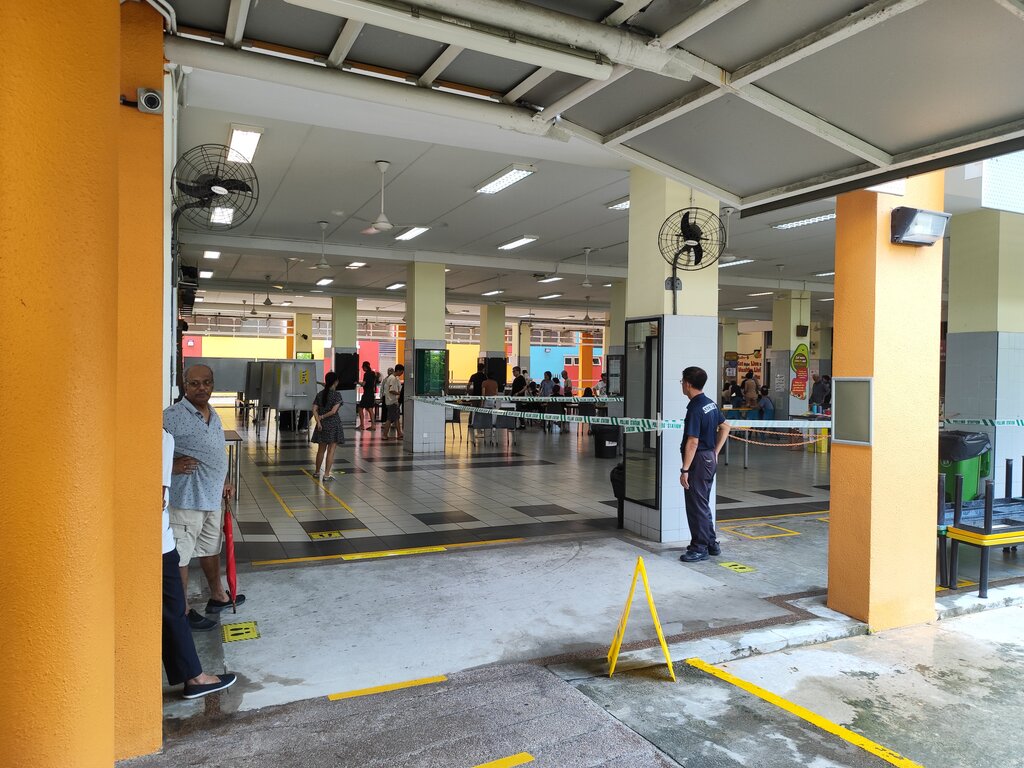
The media also relies heavily on polls to report on the state of political campaigns. They help tell the story of the election: which candidate is ahead, what issues are resonating, and how different groups of voters are leaning.
For voters, polls can offer context about the broader political environment. They show which candidates are seen as viable and what the key battlegrounds are. While they aren't predictions, polls are a vital part of the conversation that shapes a modern election.
Now, let's test your understanding of these core concepts.
What is the primary purpose of an election poll?
Early 'straw polls' in the 19th century were often unreliable because...
Understanding how polls work is the first step to becoming a more informed citizen. By knowing their purpose and methods, you can better interpret election news and follow the democratic process.