Decoding Election Polls
Understanding Election Polls
Taking the Public's Pulse
Election season is full of predictions and projections. News channels buzz with numbers, and analysts debate which candidate is ahead. Much of this information comes from election polls, which are surveys designed to gauge public opinion before an election. Their main goal is to capture a snapshot of what a population thinks at a specific moment in time.
poll
noun
A survey of public opinion from a particular sample.
Think of it like a chef tasting a soup. The chef doesn't need to drink the whole pot to know if it needs more salt. They just need a spoonful. A poll is that spoonful. It samples a small group of people to get an idea of the opinions of the entire population. These snapshots help candidates understand voter concerns, allow news organizations to report on the race, and give the public a sense of the political landscape.
Before and After the Vote
Not all polls are the same. They can be categorized by when they are conducted in relation to an election. The two most common types are pre-election polls and exit polls.
| Poll Type | When It's Done | What It Asks |
|---|---|---|
| Pre-election Poll | Weeks or months before an election | Who do you plan to vote for? What issues matter most to you? |
| Exit Poll | Immediately after people vote | Who did you vote for? What factors influenced your decision? |
Pre-election polls are the ones you hear about most often leading up to election day. They try to predict the outcome and understand the mood of the electorate. They can influence campaign strategy and even affect voter turnout.
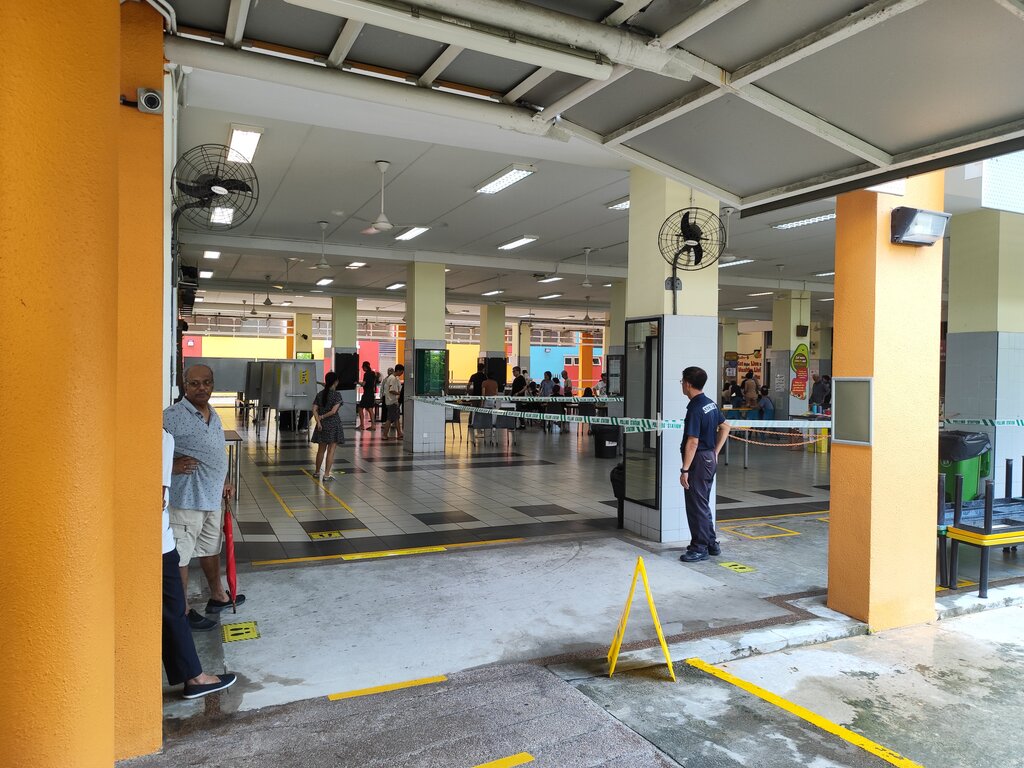
Exit polls happen on election day itself. Pollsters wait outside polling places and ask voters about their choices as they leave. Because these polls survey actual voters, they can provide quick and often accurate projections of the winner, sometimes just minutes after the polls close. They also give us rich data about why people voted the way they did, breaking down results by age, gender, and other demographic factors.
How Polls Work
Getting an accurate picture from a small sample is a science. The key is ensuring the sample is representative of the larger population. If a poll on national politics only surveyed people from one city or one age group, the results would be skewed. Pollsters use specific techniques to avoid this.
The foundation of a good poll is a good sample. The goal is for a small group to mirror the entire population.
The most common method is random sampling, where every person in the population has an equal chance of being selected. This is harder than it sounds. You can't just call numbers from a phone book, as that would exclude people with unlisted numbers or those who only use cell phones. So, pollsters often use methods like random-digit dialing, which generates phone numbers randomly.
Another technique is stratified sampling. The population is divided into different groups, or 'strata'—for example, by state, age, or ethnicity. Then, random samples are taken from within each group in proportion to their size in the overall population. This ensures that smaller demographic groups are not overlooked.
Once the sample is chosen, data is collected through various methods, including live telephone interviews, automated calls, online surveys, and sometimes even in-person interviews. Each method has its own strengths and weaknesses.
Why Polls Matter
Polls are more than just a horse-race tracker. They are a tool for democracy, providing a channel for public expression between elections. They inform candidates about what is on voters' minds, helping them focus on issues that people care about. For voters, polls can show which candidates are viable and what their chances of winning might be.
However, it's important to remember that polls are not predictions—they are measurements. Public opinion can change quickly, and a poll taken weeks before an election might not reflect the final outcome. The way a question is worded, the sample chosen, and even current events can all influence the results. They provide valuable insight, but they aren't a crystal ball.
Now, let's test your understanding of how election polls work.
What is the primary goal of an election poll?
A poll conducted on election day that surveys voters as they leave the polling place is known as a(n) ________ poll.
By understanding how polls are made and what they can—and can't—tell us, we can become more informed consumers of political news.