Decoding Election Polls
Introduction to Election Polls
What Are Election Polls?
Election polls are surveys designed to gauge public opinion about candidates, issues, or an upcoming election. Think of them as a snapshot of what a group of people is thinking at a specific moment in time. Their main purpose is to understand the political mood of the public and, often, to predict who might win.
Campaigns use this information to adjust their strategies, while news organizations use it to report on the state of a race. For voters, polls can offer a sense of which candidates are leading and which are falling behind.
Polls provide us with useful snapshots of voter sentiment, although their precision depends heavily on how accurately they capture real-world dynamics.
A Quick History
The idea of polling isn't new. As early as the 1820s, American newspapers conducted informal “straw polls” by asking readers to mail in their preferences. These were unscientific but popular ways to stir up interest in an election.
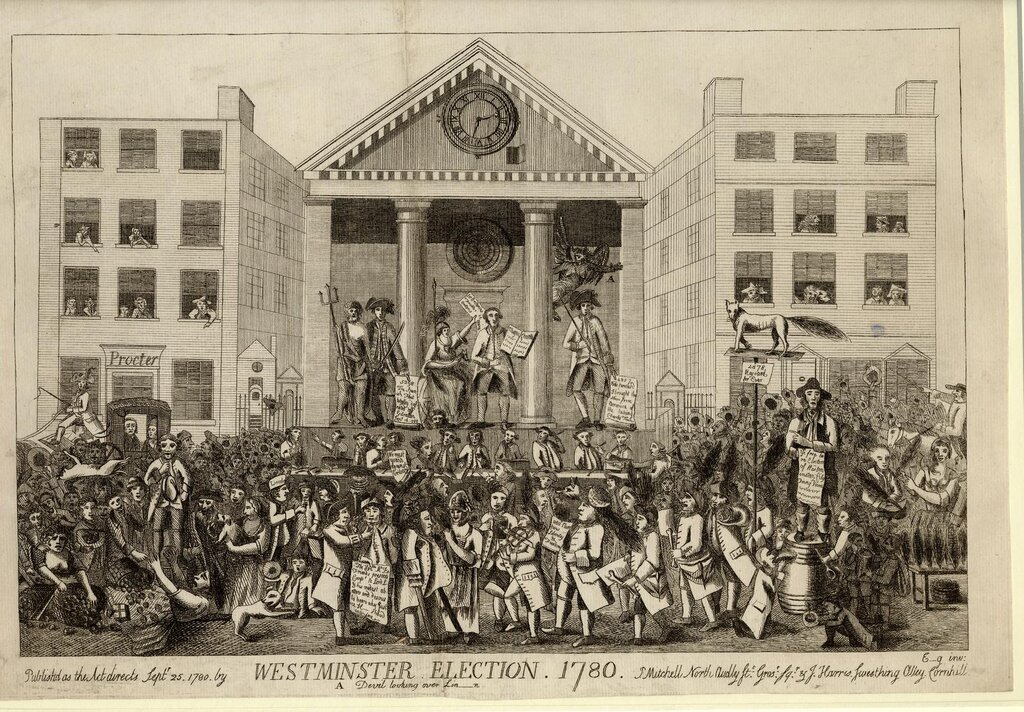
The field took a major leap forward after a famous failure. In 1936, a popular magazine called the Literary Digest predicted a landslide victory for one presidential candidate based on a massive poll of its readers. The magazine was completely wrong. At the same time, a young pollster named George Gallup used a much smaller, but more representative, group of people to correctly predict the winner. Gallup's success marked the beginning of modern, scientific polling.
Types of Polls
Not all polls are the same. When you hear about polls during an election, it's usually one of two types: opinion polls or exit polls.
Opinion polls are conducted before an election. They are what we see most often in the news, tracking a candidate's popularity over the weeks and months leading up to election day. They might ask questions like, "If the election were held today, who would you vote for?"
Exit polls happen on election day. Pollsters station themselves outside voting locations and ask people how they just voted as they leave. The goal is to get an early indication of the results and understand the motivations behind people's votes, such as which issues were most important to them.
| Feature | Opinion Poll | Exit Poll |
|---|---|---|
| When It Happens | Before election day | On election day |
| Who Is Asked | Likely voters | Actual voters |
| Main Purpose | Gauge support and track trends | Predict the winner and analyze why people voted as they did |
Influence and Importance
In a democracy, polls serve as a channel for public expression between elections. They can highlight which issues matter most to citizens, potentially influencing what politicians focus on. For voters, they provide information about the broader political landscape.
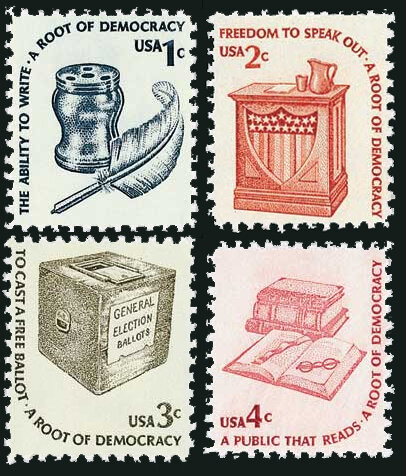
However, polls also have a powerful influence on perception. Media coverage often focuses heavily on the "horse race"—who's ahead and who's behind—which can sometimes overshadow deeper discussions about policy. A candidate who is leading in the polls may attract more media attention and donations, creating a cycle of momentum.
Conversely, a candidate trailing in the polls might be dismissed as unviable, regardless of their ideas. This is why understanding what a poll can and cannot tell us is so important.
Let's check what you've learned about the basics of election polls.
What is the primary purpose of an election poll?
What key innovation allowed George Gallup to correctly predict the 1936 election when the Literary Digest poll failed?
Polls are a fixture of modern elections, offering a window into the minds of voters. While they're not crystal balls, they are a vital tool for understanding the democratic process.