Decoding Election Polls
Introduction to Election Polls
What Are Election Polls?
Election polls are surveys designed to gauge public opinion before an election. Think of them as a snapshot. They capture what a small, representative group of people are thinking at a specific moment in time. The goal is to understand the political mood of the entire population without having to ask every single person.
Election polls play a critical role in political discussions by probing public opinion and enabling political parties to assess their performance before elections.
Political campaigns use this information to shape their strategies, like deciding where to campaign or what issues to focus on. News organizations use polls to report on the state of a race, giving the public a sense of who's ahead and who's behind. For voters, polls can offer insights into the candidates and their chances of winning.
A Quick History
The idea of polling isn't new. Early forms, known as straw polls, were informal and unscientific. A newspaper in the 1800s might ask its readers to mail in a postcard with their presidential preference. These polls were often inaccurate because they only surveyed a specific group, like newspaper subscribers, who didn't represent the whole voting public.
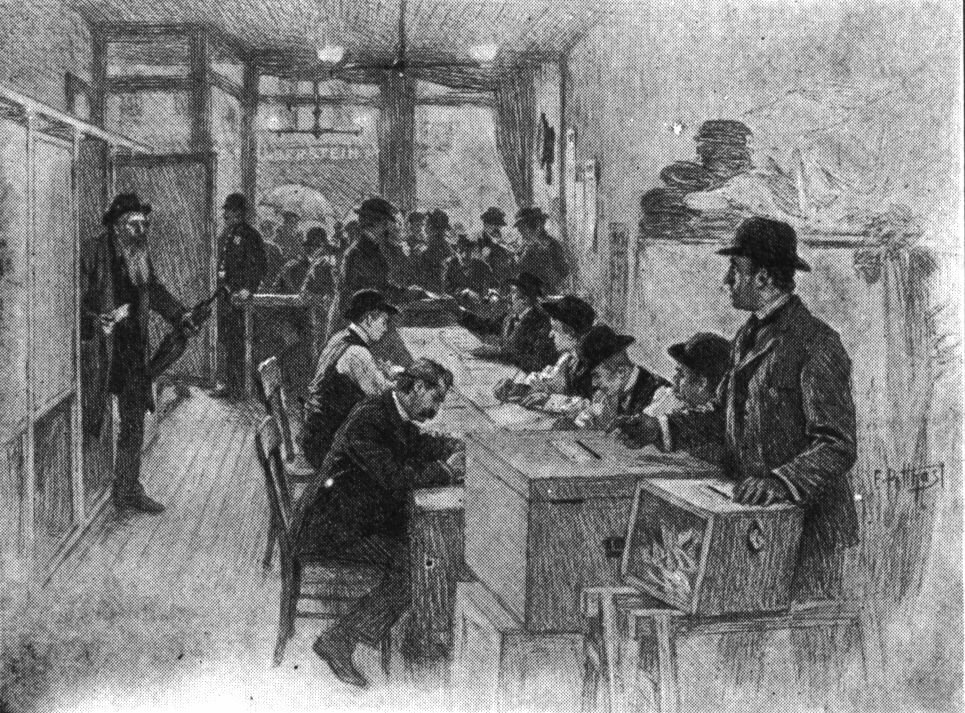
A famous straw poll failure happened in 1936. The Literary Digest magazine predicted a landslide victory for one presidential candidate based on millions of mailed-in surveys. They were spectacularly wrong. The problem? Their sample was drawn from magazine subscribers and people who owned cars and telephones during the Great Depression. This group was wealthier than the average American and not representative of the overall electorate.
This event highlighted the need for a more scientific approach. Pioneers like George Gallup began using methods based on random sampling. Instead of polling millions, they surveyed a much smaller, but carefully selected, group that accurately mirrored the demographics of the entire country. This shift marked the beginning of modern polling.
Types of Polls
Not all polls are the same. You'll often hear about a few different types during an election season, each with a distinct purpose.
| Poll Type | Purpose |
|---|---|
| Opinion Poll | Measures public opinion on candidates and issues at a single point in time. This is the most common type of poll. |
| Exit Poll | Survey conducted on election day as voters leave their polling places. It's used to predict outcomes and understand voter demographics. |
| Tracking Poll | A series of polls conducted at regular intervals to measure changes in opinion over time. |
| Push Poll | An unethical technique disguised as a poll. It aims to spread negative or false information about a candidate to influence voters. |
Opinion polls give us that classic "who's ahead" snapshot. Exit polls are what news networks often use to call races quickly on election night. Tracking polls help show a candidate's momentum, or lack thereof. It's important to be wary of push polls, which are not legitimate attempts to measure opinion but rather tools of political persuasion.
Their Role in Democracy
In a healthy democracy, polls serve as a channel between the public and political leaders. They provide a way for the voice of the people to be heard outside of elections. When polls show strong public support for a certain policy, lawmakers may feel more pressure to act on it.
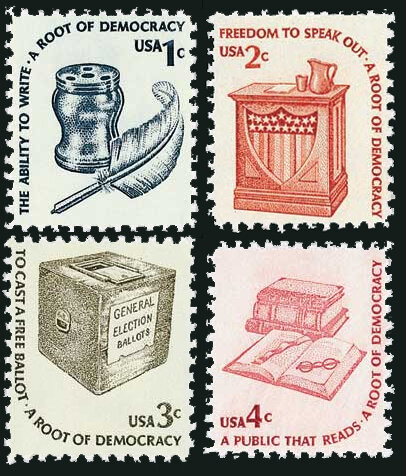
However, they aren't without controversy. Some argue that polls can turn elections into a horse race, where media coverage focuses more on who is winning than on the substantive issues. There is also debate about whether polls influence voters, creating a "bandwagon effect" where people support the candidate they see is leading.
Despite these debates, polls remain a central feature of modern politics. They offer valuable insight into the electorate, guide campaign strategies, and inform public discourse. Understanding what they are, and what they are not, is key to being an informed citizen.
Let's review the key terms we've covered.
Ready to check your understanding?
What was the primary reason the 1936 Literary Digest poll failed to accurately predict the presidential election?
Early, unscientific surveys that often polled specific groups like newspaper subscribers were known as _________.
In the next section, we'll dive into what makes a poll reliable by exploring the science behind sampling and margin of error.