Decoding Election Polls
Introduction to Election Polls
What Are Election Polls?
An election poll is a survey designed to take a snapshot of public opinion at a specific moment. Think of it like taking a photo of a crowd. You can't capture every single face, but you can get a very good idea of the crowd's size, mood, and general makeup.
In a democracy, polls serve a few key purposes. They help candidates understand what voters care about, which can shape their campaigns. They give the public and the media a sense of the political landscape, showing who's ahead and which issues are resonating. When done well, they offer a glimpse into the collective mindset of the electorate.
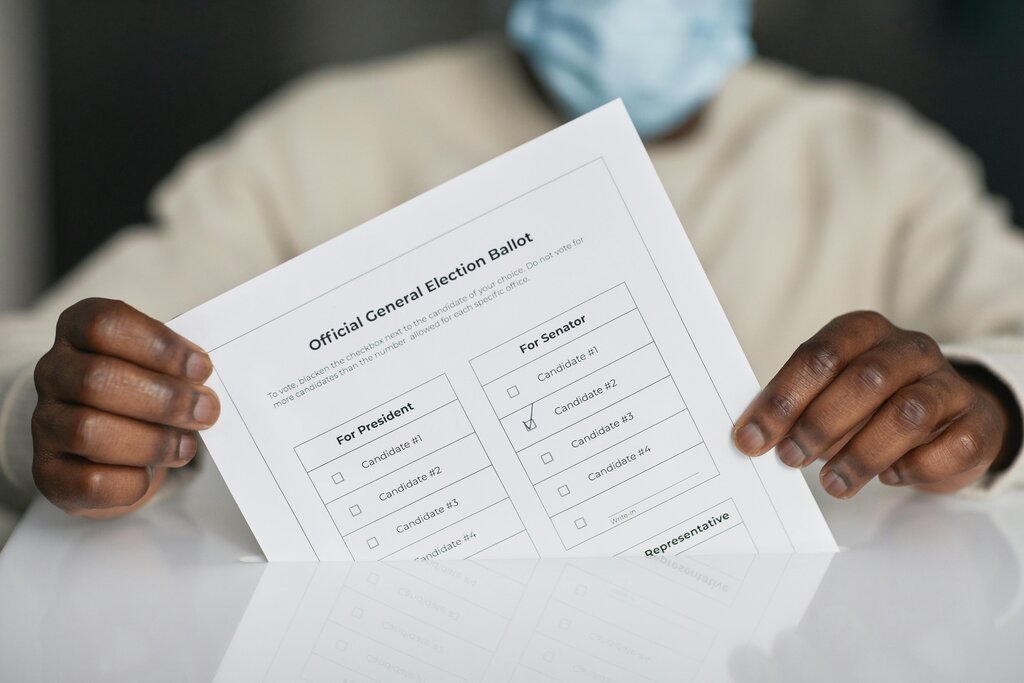
The core idea is to ask a small, representative group of people questions that reflect the choices the entire voting population will make. This process allows us to gauge public sentiment without having to ask every single person.
Election polls play a critical role in political discussions by probing public opinion and enabling political parties to assess their performance before elections.
Types of Polls
Not all polls are the same. You'll often hear about three main types during an election season, each with a different goal.
Opinion Poll
noun
A survey of public opinion from a particular sample.
This is the most common type of poll. It asks a sample of voters who they plan to vote for. These are the polls you see months, weeks, or days before an election.
Exit Poll
noun
A poll of people leaving a polling place, asking how they voted.
Instead of asking people how they plan to vote, exit polls ask how they just voted. Pollsters survey voters as they leave the polling station. Media organizations often use these results to project winners shortly after the polls close.

Tracking Poll
noun
A series of polls conducted at regular intervals to measure changes in opinion.
A tracking poll surveys people repeatedly over a period, often daily or weekly. This allows campaigns and news outlets to monitor shifts in voter sentiment in response to debates, news events, or campaign ads. It's less about a single snapshot and more about tracking the trend.
How Polls Work
Creating a reliable poll involves two critical steps: choosing who to ask and deciding how to ask them. These steps are part of a poll's methodology.
A poll is only as good as the sample of people it surveys.
The first challenge is sampling. A pollster can't survey everyone, so they select a smaller group, or sample, that is meant to be a miniature version of the entire voting population. The gold standard is a random sample, where every voter has an equal chance of being selected. This helps ensure the sample isn't biased toward one group.
Pollsters also use stratified sampling, where they divide the population into important subgroups, or strata, such as age, gender, or geographic location. They then take random samples from within each group to make sure the final sample accurately reflects the demographics of the overall population.
Once a sample is chosen, the next step is data collection. Pollsters use several methods to reach people:
- Live Telephone Calls: A person calls potential respondents, often using a mix of landlines and cell phones. This method allows for clarification but can be expensive and time-consuming.
- Online Surveys: These are less expensive and can reach a large number of people quickly. Pollsters often use panels of pre-recruited individuals who have agreed to take surveys.
- In-Person Interviews: This method, used for exit polls, involves direct, face-to-face interaction. It can be highly accurate for its specific purpose but is not practical for large-scale opinion polling.
Each method has its strengths and weaknesses. The best pollsters are transparent about their methodology, allowing everyone to understand how they arrived at their conclusions.
What is the primary purpose of an election poll?
A news organization surveys voters as they leave the polling station on election day to project the winner early. What type of poll is this?
Understanding these basic building blocks is the first step to becoming a savvy consumer of polling data.