Decoding Election Polls
Understanding Election Polls
What Are Election Polls?
An election poll is a survey designed to measure public opinion on candidates and issues. Think of it as a snapshot. It captures what a specific group of people thinks at a particular moment in time. The main goal is to understand the political landscape without having to ask every single person in a country.
Poll
noun
A survey of public opinion from a particular sample.
Instead of a complete census, polls use a smaller, carefully chosen group—called a sample—to represent the entire population. By analyzing the responses from this sample, pollsters can estimate the views of the larger group. These estimates help campaigns, news media, and the public understand which way political winds are blowing.
Types of Polls
Not all polls are created equal. Different types are used to gather different kinds of information.
Opinion Polls This is what most people think of when they hear the word "poll." An opinion poll captures public sentiment at a single point in time. It might ask who you plan to vote for or how you feel about a certain policy. They provide a static picture of where things stand.
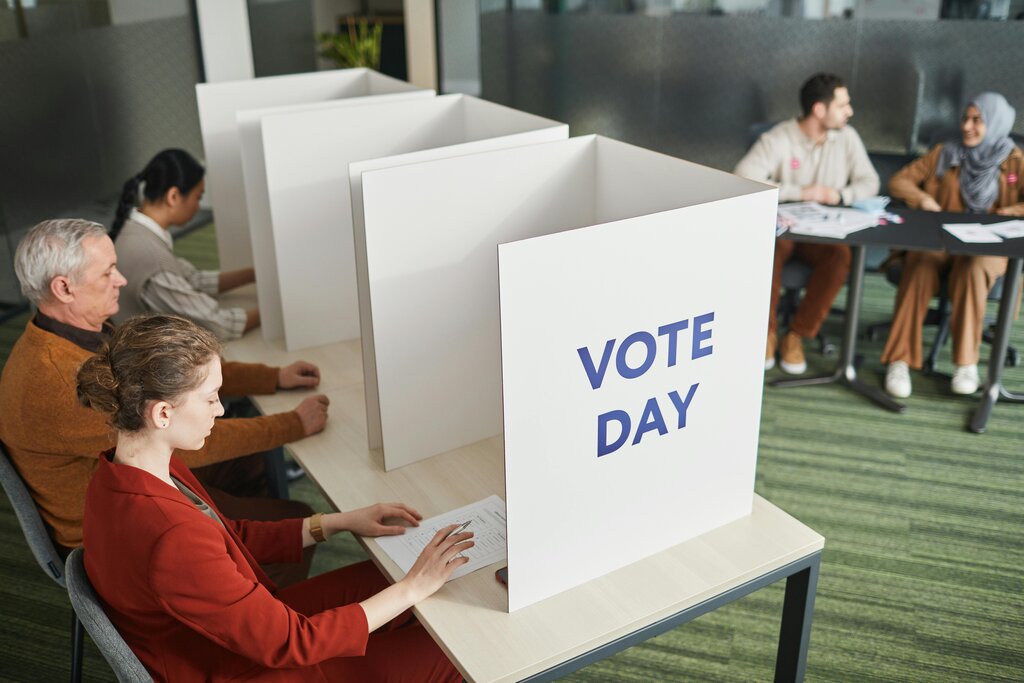
Exit Polls As the name suggests, these polls are conducted on Election Day. Interviewers ask voters for their choices as they exit the polling place. Exit polls are used to get an early read on the election results before all the votes are officially counted. They also gather demographic data to help analysts understand why people voted the way they did.
Tracking Polls Unlike a one-time opinion poll, a tracking poll is a series of surveys conducted at regular intervals. It might survey a new group of people every day or every week. The goal is to monitor changes in public opinion over time. This is especially useful for seeing how campaign events, debates, or news stories affect voter sentiment.
How Polls Are Made
Conducting a reliable poll is a science. It involves two key components: selecting a representative sample and collecting data from that sample.
Sampling Methods Since it's impossible to survey everyone, pollsters select a smaller sample. The goal is to create a miniature version of the entire voting population. One common method is random sampling, where every person in the population has an equal chance of being selected. This is like drawing names out of a giant hat. More advanced techniques might involve stratified sampling, where the population is divided into subgroups (like age, gender, or location) to ensure the sample accurately reflects the demographics of the whole population.
Data Collection Once a sample is chosen, the data must be collected. For decades, this was done mainly through telephone calls to landlines. Today, methods are more diverse:
- Live Telephone Interviews: An interviewer calls potential respondents (including on cell phones) and records their answers.
- Automated Calls: Also known as "robocalls," these use a recorded voice to ask questions.
- Online Polls: Respondents complete the survey on a website. These have become increasingly common.
- In-Person Surveys: Interviewers talk to people face-to-face, often used for exit polls.
Done properly, polling can be very accurate and provide invaluable insights into public opinion, said Krosnick, who studies survey methodologies.
Regardless of the method, the goal is the same: to gather accurate responses from the selected sample.
Transparency and Reputable Organizations A trustworthy poll is a transparent one. Reputable polling organizations, like university research centers or established media pollsters, will openly share their methodology. They'll explain how they selected their sample, how they collected data, the exact wording of their questions, and the dates of the survey.
This transparency allows others to evaluate the poll's quality and understand its potential limitations.
Now that you know the basics of how polls are constructed, let's test your understanding.
What is the primary purpose of an election poll?
A campaign wants to see how a candidate's performance in a debate last night affected their support. Which type of poll would be most effective for measuring this change over the next few days?
Understanding the purpose and methods behind election polls is the first step in becoming a more informed observer of politics.