Decoding Election Polls
Introduction to Election Polls
What Are Election Polls?
An election poll is a survey designed to measure public opinion on a particular candidate or issue. Think of it as a snapshot of what a specific group of people is thinking at a specific moment in time. Polls don't predict the future, but they do offer a glimpse into the current political climate.
Here’s the most important thing to remember about election polls: they are not instruments of prediction.
In a democracy, polls serve a few key functions. They give political candidates a sense of what voters care about, which can help shape their campaigns. For voters and the media, polls provide information about where different candidates stand in the race. They help tell the story of an election as it unfolds.
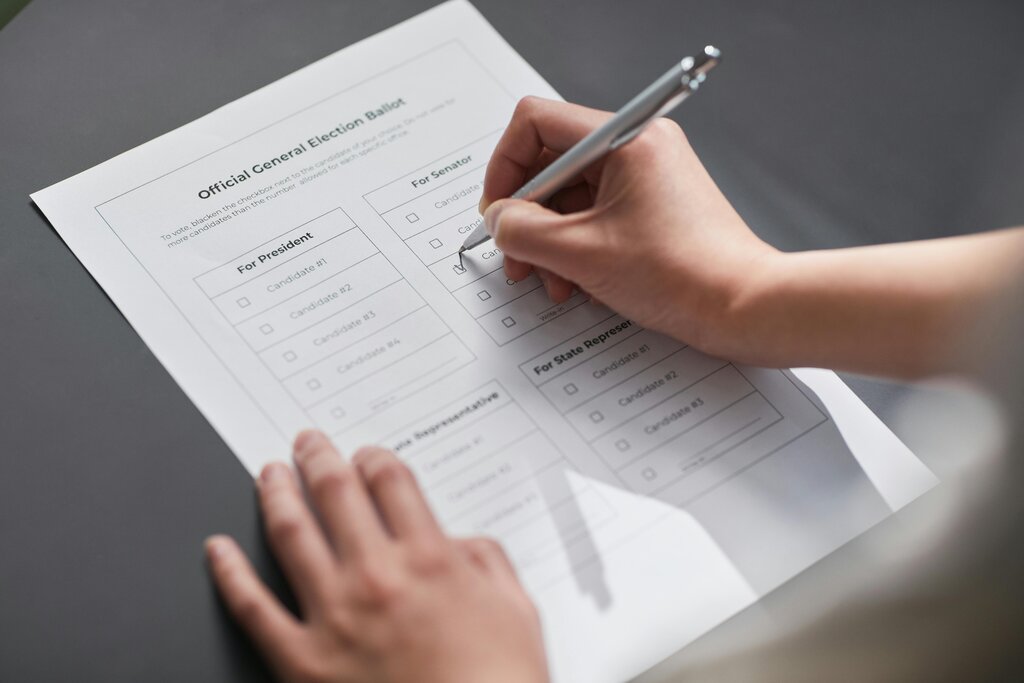
Types of Polls
Not all polls are the same. You'll often hear about a few different types during an election season.
Opinion Poll
noun
A survey of public opinion from a particular sample. It aims to represent the views of a larger population.
This is the most common type of poll. News organizations and campaigns use them to ask a sample of voters who they plan to vote for.
Exit polls are conducted as voters leave their polling place on Election Day. Researchers ask voters how they voted, and the results are often used by news media to project a winner shortly after the polls close. They also provide valuable data on why people voted the way they did, breaking down results by age, gender, and other demographics.
Tracking polls are a series of polls conducted at regular intervals. By asking the same questions over time, they can track shifts in public opinion. It's like taking a patient's temperature every few hours to see if their fever is going up or down. These polls help campaigns see if their message is working or if a recent event has changed voters' minds.
| Poll Type | When It's Conducted | Primary Purpose |
|---|---|---|
| Opinion Poll | Before an election | Gauge voter preference and intent |
| Exit Poll | On Election Day | Predict results and understand voter demographics |
| Tracking Poll | Repeatedly over time | Measure changes in opinion |
A Quick History
Polling has come a long way. Early forms, known as "straw polls," were unscientific. A magazine might ask its readers to mail in a postcard indicating their vote, for example. The problem was that the magazine's readership wasn't representative of the entire voting population.
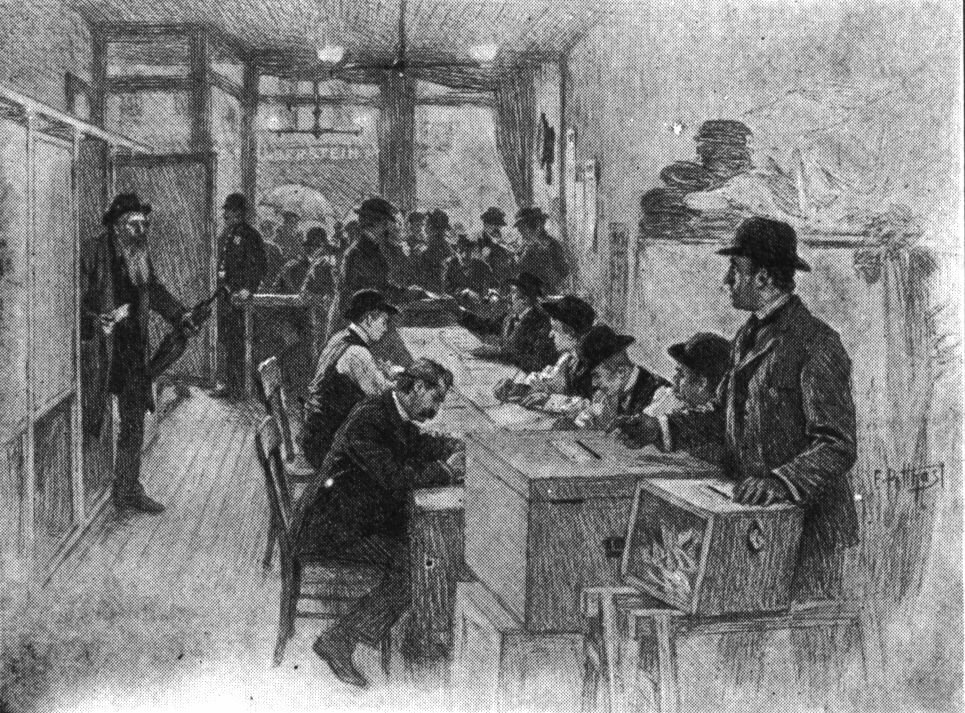
Modern, scientific polling began in the 1930s with pioneers like George Gallup. They developed methods to survey a small, random sample of the population that could accurately reflect the views of the country as a whole. This was a major breakthrough.
Of course, pollsters have had their share of blunders. One of the most famous was in 1948, when polls confidently predicted that Thomas Dewey would defeat Harry S. Truman for president. Truman won, and the polling industry learned a tough lesson about methodology and the importance of polling right up until Election Day. Since then, techniques have continued to evolve with technology, moving from in-person interviews to telephone calls and now to online surveys.
Time to check what you've learned.
What is the primary purpose of an election poll?
A news organization surveys voters as they leave their polling places on Election Day to understand demographic trends and project a winner. What type of poll is this?
Polls are a fundamental part of modern elections, providing insight for campaigns, the media, and the public. While not perfect, they are a powerful tool for understanding the pulse of the electorate.