Decoding Election Polls
Introduction to Election Polls
What Are Election Polls?
Election polls are surveys designed to capture a snapshot of public opinion at a particular moment. They ask a small, representative group of people questions about candidates or issues to estimate what the larger population thinks. Think of it like a chef tasting a spoonful of soup to know what the whole pot tastes like. The spoonful needs to have a bit of everything in the pot to be accurate.
Polls serve a crucial role in a democracy. They help candidates understand what voters care about, allow news organizations to report on the state of a race, and give the public a sense of the political landscape. However, it's vital to remember what they are not.
Here’s the most important thing to remember about election polls: they are not instruments of prediction.
A poll measures sentiment on the day it was conducted. Public opinion can shift quickly due to news events, debates, or campaign developments. So, a poll from three weeks before an election might not reflect how people will vote on election day.
The Main Types of Polls
Not all polls are created equal. You'll often hear about three main types during an election cycle, each with a different purpose and method.
An opinion poll is the most common type. It surveys likely voters before an election to gauge their preferences and voting intentions. News channels and political campaigns use these constantly to track a candidate's popularity over time.
An exit poll is conducted on election day itself. Pollsters survey voters just after they leave the polling station. They ask who people voted for and sometimes why. This helps news outlets project winners shortly after the polls close and provides valuable data on why voters made their choices.
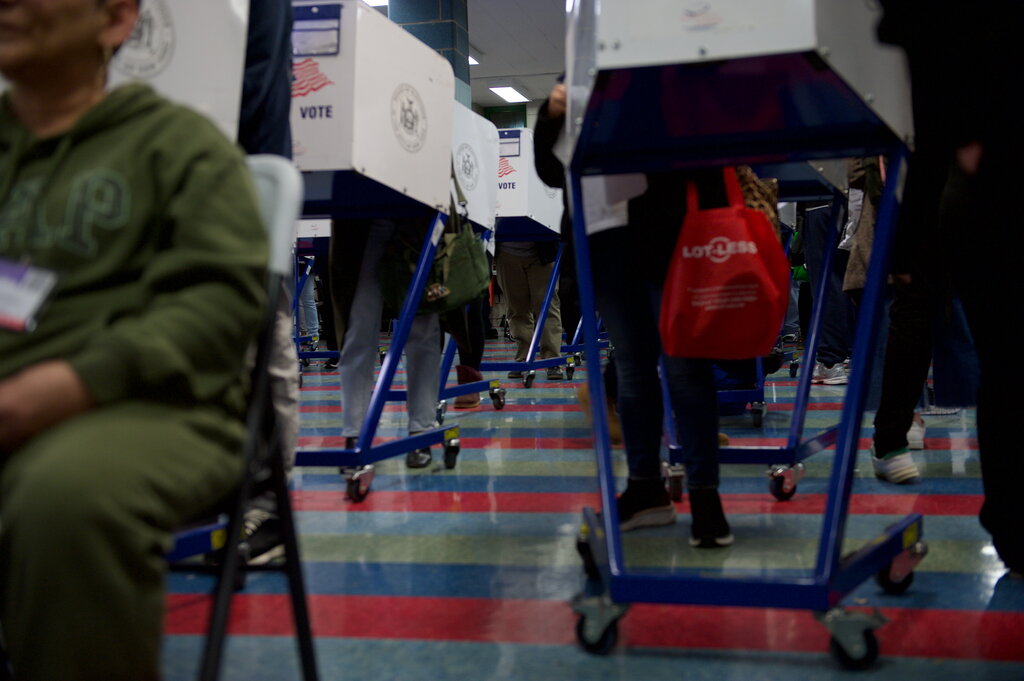
Finally, a straw poll is an informal, unscientific survey. It's used to get a rough idea of opinion from a specific group, but it isn't reliable for predicting an actual election outcome because the sample of people isn't scientifically selected. Think of online polls or a show of hands at a meeting.
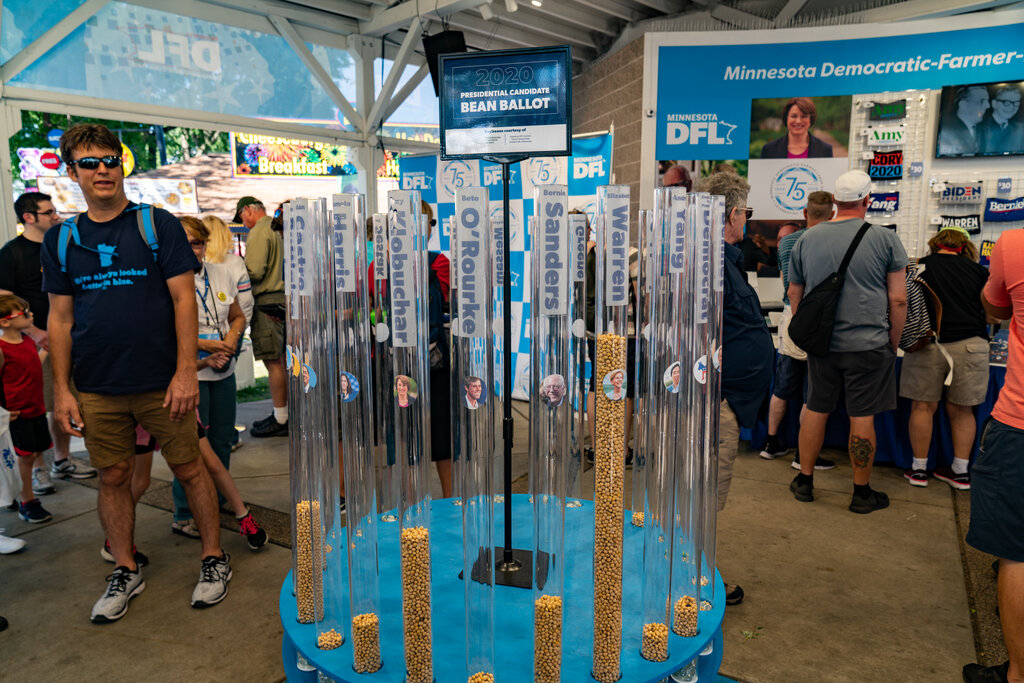
Here's a quick breakdown of the differences:
| Poll Type | When It's Conducted | Who Is Asked | Purpose |
|---|---|---|---|
| Opinion Poll | Before an election | A sample of likely voters | Gauge public opinion and track trends |
| Exit Poll | On election day | Voters leaving polling places | Predict results and analyze voter behavior |
| Straw Poll | Anytime | Any available group (not random) | Informally test public opinion |
Why Polls Matter
Polls do more than just report numbers; they can influence the entire election process. Media outlets use them to decide which candidates to cover, often focusing on the declared front-runners. This can create a narrative that's hard for other candidates to break into.
Campaigns rely heavily on internal polling to shape their strategy. Polling data can tell them which messages are resonating with voters, which demographic groups they need to target, and in which states they should spend their time and money.
Polls can also influence voters themselves. The bandwagon effect describes the tendency for some people to support a candidate simply because they are popular in the polls. Conversely, the underdog effect can motivate voters to support a candidate who is trailing, either out of sympathy or a desire to even the odds.
Famous Polling Moments
History is filled with examples of polls getting it right and spectacularly wrong. One of the most famous blunders was in the 1948 U.S. presidential election. Pollsters were so confident that Thomas Dewey would defeat the incumbent, Harry S. Truman, that the Chicago Daily Tribune famously printed the headline "Dewey Defeats Truman" before the results were fully in. Truman won, and the mistake became a legendary lesson in polling humility.
In contrast, pollsters like George Gallup made a name for themselves by correctly predicting Franklin D. Roosevelt's decisive victory in 1936. They did this by using more scientific sampling methods than their competitors, who had incorrectly predicted a win for Alf Landon. These historical examples show how polling methods have evolved and highlight the constant challenge of accurately capturing public opinion.