Decoding Election Polls
Introduction to Election Polls
What Are Election Polls?
An election poll is a survey designed to gauge public opinion before people cast their votes. Think of it as a snapshot of a specific moment in time. It asks a small, representative group of people who they plan to vote for, giving us a picture of the larger population's leanings.
The main goal is to understand voter sentiment. Are people excited about a particular candidate? What issues are most important to them? Polls help answer these questions.
By carefully selecting a sample of the population, pollsters can estimate the opinions of millions of people without having to ask every single one. It’s a powerful tool for taking the pulse of a nation, state, or city during an election.
A Quick History
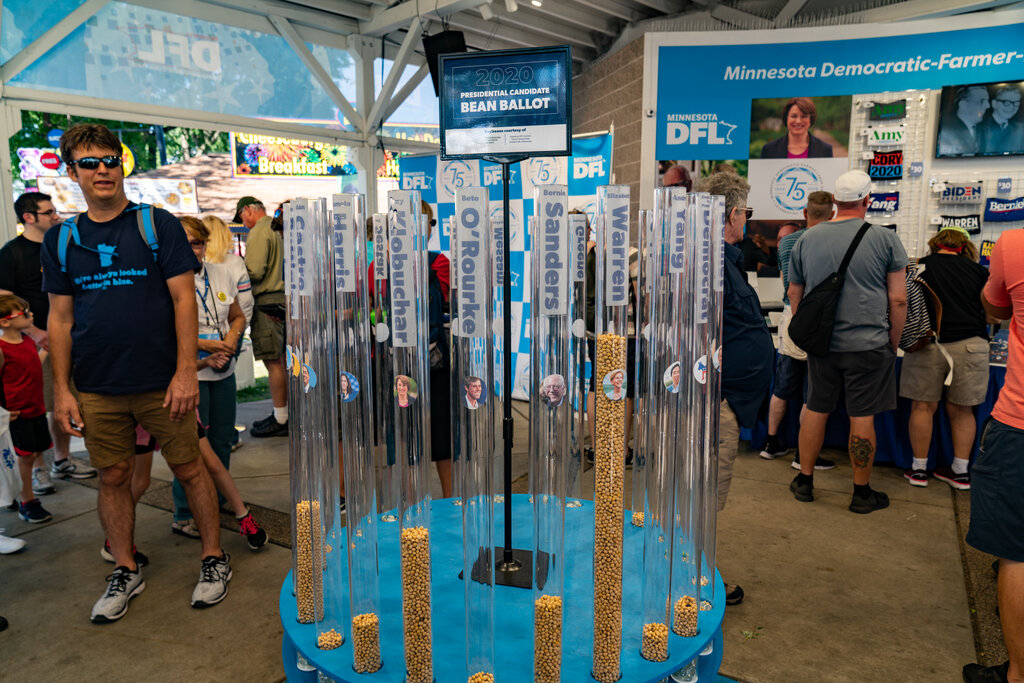
The idea of polling isn't new. Early attempts were informal and often unreliable. Newspapers in the 19th century would conduct simple "straw polls" by asking their readers who they supported. These were fun but not very scientific, as they only captured the opinions of a specific group of people.
The most famous polling disaster happened in 1936. A popular magazine, The Literary Digest, conducted a massive poll and confidently predicted that Alf Landon would defeat Franklin D. Roosevelt for president. They were spectacularly wrong. Roosevelt won in a landslide.
The magazine's mistake was sampling. They polled their own subscribers, along with people who owned cars and telephones during the Great Depression. This group was wealthier than the average American and not representative of the whole country. A young pollster named George Gallup used a much smaller, but scientifically selected, sample and correctly predicted Roosevelt's victory. This event marked the birth of modern, scientific polling.
The Role of Polls in a Democracy
In a democratic society, polls serve several important functions. For candidates, they provide crucial feedback. Polling data can show which messages are resonating with voters, which geographic areas need more attention, and where a campaign is strong or weak. It helps them use their limited resources more effectively.
For the public and the media, polls shape the narrative of an election. They identify front-runners, track momentum, and highlight key voter concerns. This information helps citizens understand the political landscape and can even influence their decisions. Some voters might be encouraged to support a candidate who seems to have a good chance of winning (the "bandwagon effect"), while others might rally behind an underdog.
Here’s the most important thing to remember about election polls: they are not instruments of prediction.
Ultimately, polls provide a voice for the people between elections. They are a way to measure public will and hold elected officials accountable. While no poll is perfect, they remain a vital tool for understanding the dynamics of a democracy.
What is the primary purpose of an election poll?
The famous 1936 Literary Digest poll failed because its sample group was wealthier than the average American and therefore not representative of the country as a whole.