Decoding Election Polls
Introduction to Election Polls
What Are Election Polls?
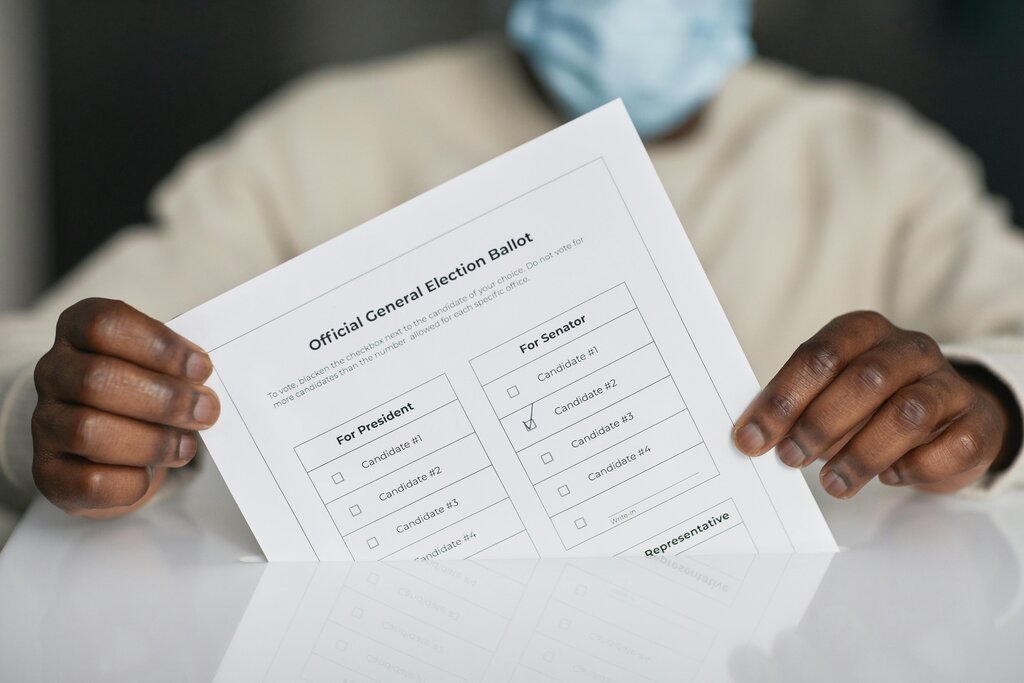
An election poll is a survey designed to capture a snapshot of public opinion at a particular moment. Think of it like taking a picture. It doesn't predict the future, but it tells you what a representative group of people thinks about candidates or issues right now.
The main goal is to gauge the political landscape. Campaigns use them to understand what voters care about, journalists use them to report on the state of a race, and the public uses them to see how their own views stack up against others.
Polls aren't crystal balls. They're a systematic way of listening to what the people are saying at a specific point in time.
A Quick History of Polling
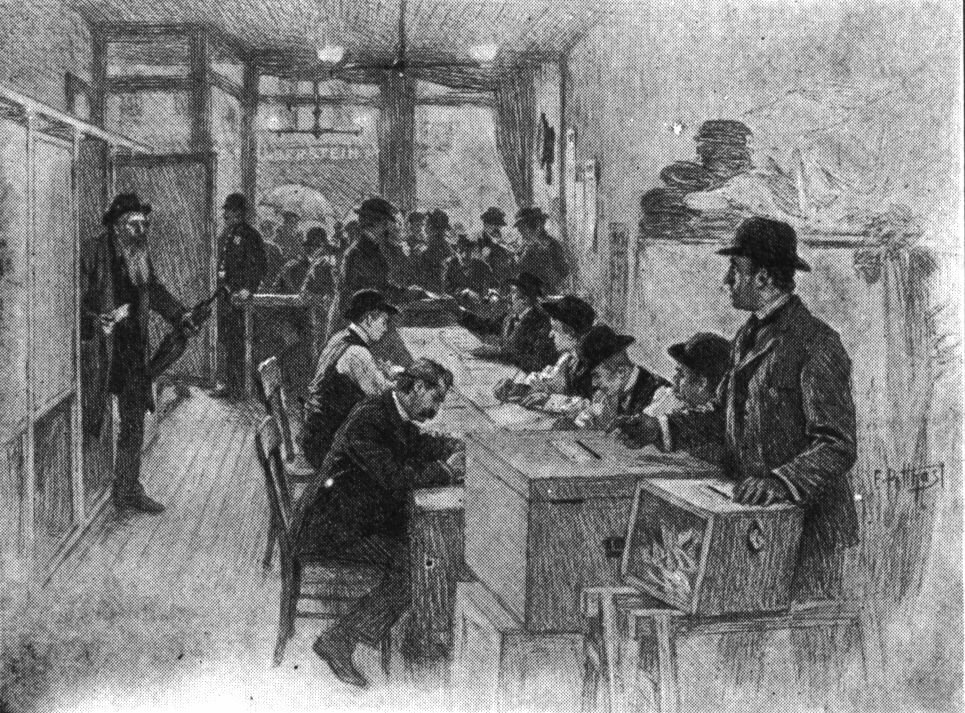
The idea of polling isn't new. As early as the 1824 U.S. presidential election, newspapers conducted informal “straw polls.” They’d ask people at public gatherings or on the street who they planned to vote for. These were fun but unscientific, often surveying only their own readers or people in a specific location, which didn't represent the whole population.
The game changed in the 1930s. The magazine Literary Digest famously predicted a landslide victory for Alf Landon over Franklin D. Roosevelt in the 1936 presidential election. They polled millions of people, but their sample was drawn from telephone directories and car registration lists. In the middle of the Great Depression, only wealthier Americans had phones and cars, so the sample was skewed.
Meanwhile, a young pollster named George Gallup used a much smaller, but scientifically selected, random sample of the population. He correctly predicted Roosevelt's win and, in doing so, ushered in the modern era of scientific polling. His success proved that who you ask is more important than how many people you ask.
Since then, methods have continued to evolve, moving from door-to-door interviews to telephone calls and now to online surveys. But the core principle of using a representative sample remains the same.
The Role of Polls in a Democracy
In a democratic society, polls serve several important functions. They provide a channel for public opinion to be heard between elections. Politicians can use this feedback to understand which issues matter most to voters and adjust their platforms accordingly. For instance, if polls consistently show that the economy is the top concern for voters, candidates will likely focus their speeches and policy proposals on that topic.
Polls are a critical tool for democracy, Dutwin says.
Polls also inform the public. They can help people understand the key issues in a campaign and see where the different candidates stand in the eyes of their fellow citizens. The news media relies heavily on polling to cover elections, often framing the race in terms of who is leading and who is falling behind.
While they can influence voters and even donors, their primary role is to reflect public sentiment, not create it. They give a voice to the entire population, not just the loudest or most powerful groups, making them a fundamental part of the political conversation.
Time to check what you've learned.
What is the primary purpose of an election poll?
The 1936 Literary Digest poll incorrectly predicted the presidential election outcome primarily because...
Understanding these basics is the first step. Next, we'll look at the different methods pollsters use to get their results.