Decoding Earnings Reports for Stock Investment
Understanding Financial Statements
The Big Three Statements
To understand a company's health, you need to look at its financial statements. Think of them as a regular check-up with a doctor, but for a business. They tell you where the company is strong, where it's struggling, and how it's managing its money. There are three core reports every investor should know: the income statement, the balance sheet, and the cash flow statement. Each tells a different part of the story.
The three primary financial statements are the income statement, cash flow statement, and balance sheet.
The Income Statement
The income statement shows a company's financial performance over a specific period, like a quarter or a year. It's often called the Profit and Loss (P&L) statement. Its goal is simple: to show whether the company made or lost money during that time.
It starts with revenue at the top and subtracts various costs and expenses to arrive at the final profit, known as net income, at the bottom. This is why you'll often hear people refer to net income as the "bottom line."
| Line Item | Description |
|---|---|
| Revenue | The total amount of money generated from sales. |
| Cost of Goods Sold (COGS) | The direct costs of producing the goods sold. |
| Gross Profit | Revenue minus COGS. |
| Operating Expenses | Costs not directly tied to production, like salaries and rent. |
| Net Income | The final profit after all expenses, interest, and taxes are paid. |
Imagine a coffee shop. Its revenue is the money from selling coffee. The COGS is the cost of the beans, milk, and cups. The operating expenses are the barista's salary and the shop's rent. What's left after paying for everything is the net income.

The Balance Sheet
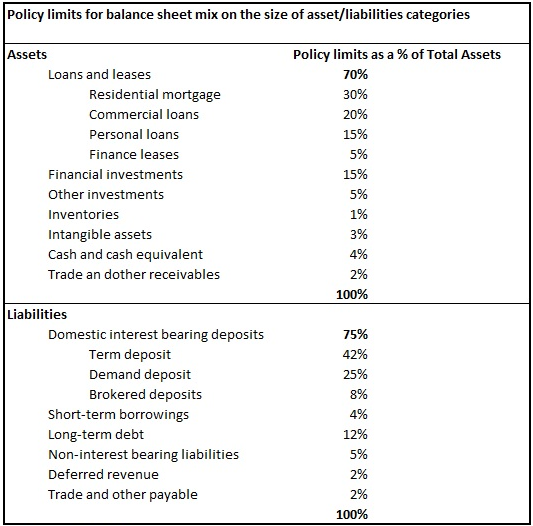
While the income statement shows performance over time, the balance sheet is a snapshot at a single point in time. It shows what a company owns (its assets) and what it owes (its liabilities). The difference between the two is the shareholders' equity.
The balance sheet is built on a fundamental equation that must always, as the name implies, balance:
Let's break that down:
- Assets: Resources the company owns that have economic value. This includes cash in the bank, inventory waiting to be sold, and property or equipment.
- Liabilities: The company's financial obligations or debts. This includes loans from a bank, bills to suppliers, and employee wages that need to be paid.
- Shareholders' Equity: This represents the owners' stake in the company. It's the amount of money that would be left for shareholders if the company sold all its assets and paid off all its liabilities.
The Cash Flow Statement
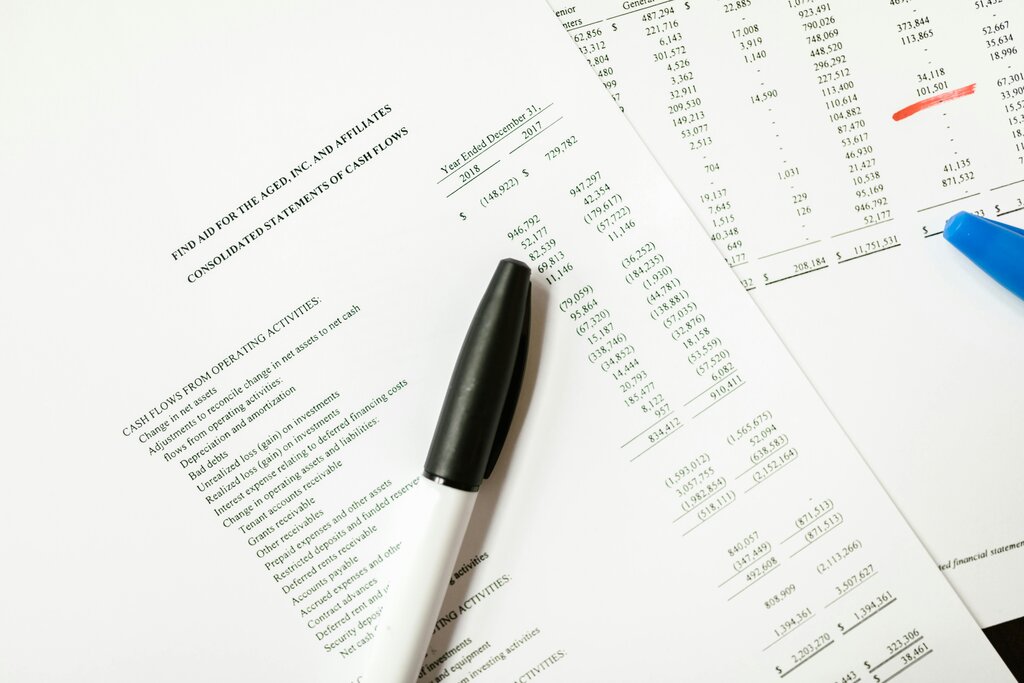
A company can be profitable on paper but still run out of money. How? The income statement includes non-cash expenses like depreciation and records sales when they are made, not necessarily when the cash is collected. The cash flow statement bridges this gap by tracking the actual cash moving in and out of the company.
It's broken into three main activities:
1. Operating Activities: Cash generated from the company's main business operations, like selling products or services.
2. Investing Activities: Cash used for or received from investments, like buying new machinery or selling old property.
3. Financing Activities: Cash from investors or lenders, such as issuing new stock, paying dividends, or taking out a loan.
This statement shows how a company is generating and using cash, which is vital for its survival. A healthy company consistently generates more cash from its operations than it uses.
How They All Connect
These three statements are not independent; they are deeply interconnected and tell a cohesive story.
- The net income from the income statement is the starting point for the cash flow from operating activities on the cash flow statement.
- The ending cash balance on the cash flow statement is the same as the cash line item on the balance sheet for that period.
- The net income (minus any dividends paid) also flows into the shareholders' equity section of the balance sheet, causing it to change from one period to the next.
Understanding how these statements work together is key to getting a full picture of a company's financial situation. No single statement tells the whole story, but together, they provide a powerful view into the business.
Which financial statement provides a snapshot of what a company owns and owes at a single point in time?
A company can be profitable on its income statement but still run out of cash.