Decoding Deepshi
Introduction to Sanskrit Names
The Story in a Name
Many names, particularly in India, are more than just labels. They are small stories, often drawing from the ancient language of Sanskrit. These names are frequently compound words, where two or more ideas are fused together to create a new, beautiful meaning. Think of them like building blocks of language, each carrying its own significance.
Sanskrit
noun
An ancient Indo-Aryan language that is the classical language of India and of Hinduism, Buddhism, and Jainism. It is one of the oldest documented members of the Indo-European family of languages.
Understanding these root words is like having a key to unlock the meaning behind a name. Once you can spot these components, you can start to see the poetry and intention embedded within them.
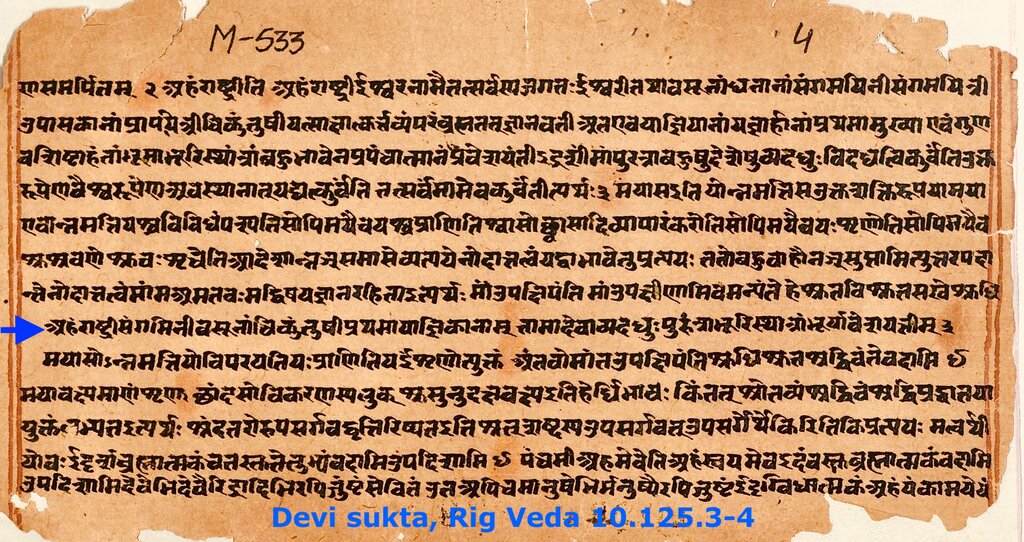
A Beacon of Light
One of the most common and powerful elements found in Sanskrit-derived names is dīpa.
lamp, light, lantern
Literally, dīpa means 'light' or 'lamp.' Symbolically, it represents much more: knowledge, wisdom, hope, and the dispelling of darkness or ignorance. It’s a powerful and positive concept, which is why it appears in so many names. You might see it at the beginning of a name, like in Deepak or Deepika, or at the end, as in Pradeep or Sandeep.
Putting It All Together
These root words are often combined with prefixes or suffixes to form a complete name. Suffixes can indicate gender or add another layer of meaning. For example, the name Deepak (दीपक) is masculine, while Deepika (दीपिका) is the feminine form. Both carry the core meaning of 'light' or 'lamp.'
Other elements can be attached to create entirely new concepts. For instance, a word meaning 'flame,' 'ray,' or 'crest' could be combined with 'deep' to evoke the image of a 'flame of a lamp' or a 'ray of light.' This modular nature allows for a rich and varied landscape of names, each with its own unique story.
Let's check your understanding of these concepts.
What is the literal meaning of the Sanskrit root word dīpa?
Beyond its literal meaning, what does the element dīpa often symbolize in a name?