Decoding Crypto Trends
Introduction to Cryptocurrency
What Is Cryptocurrency?
Cryptocurrency is a form of digital money. Unlike the dollars or euros in your bank account, it doesn't exist in any physical form and isn't issued by a central authority like a government or bank. This key difference is what makes it decentralized.
Think of it like this: traditional money is controlled by banks, which keep a private ledger of all transactions. Cryptocurrencies use a distributed ledger that is shared among a network of computers, making it transparent and resistant to control by any single entity.
Cryptography
noun
The art of writing or solving codes. In cryptocurrency, it's used to secure transactions and control the creation of new units.
The name itself comes from the cryptographic techniques used to secure the network. This security prevents issues like fraud and double-spending—the act of spending the same digital token more than once.
The Technology Behind It
Most cryptocurrencies run on a technology called blockchain. A blockchain is a distributed digital ledger, like a shared notebook that's open for everyone to see. It’s a growing list of records, called blocks, that are securely linked together using cryptography.
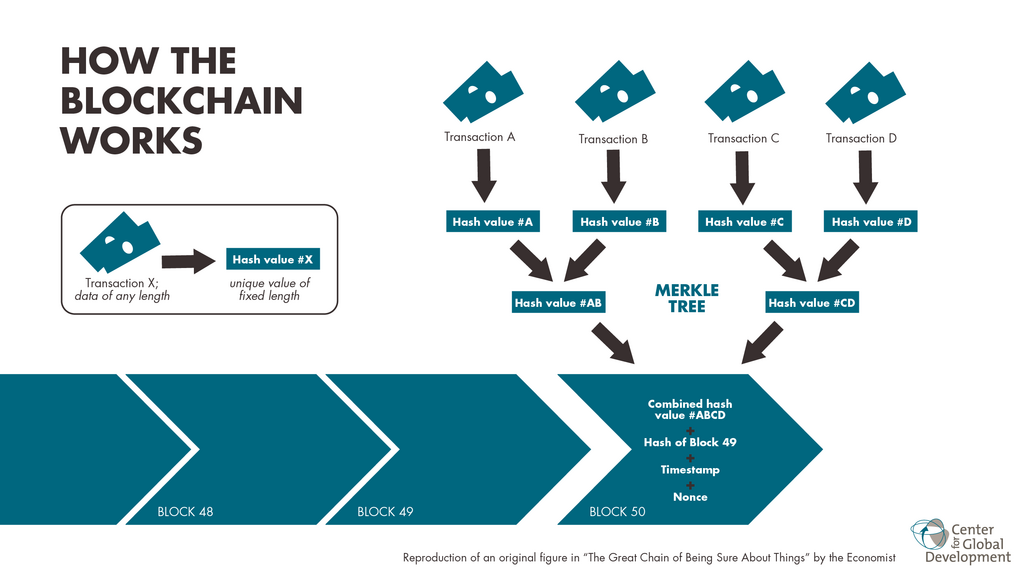
When a new transaction occurs, it's broadcast to a network of computers. These computers work to verify the transaction and bundle it with others into a new block. Once a block is complete, it's added to the end of the chain. Each new block contains a cryptographic reference to the previous one, creating a strong, chronological link.
This structure makes the blockchain incredibly secure. To alter a transaction in an old block, a bad actor would have to redo that block and every single block that came after it, which is practically impossible. This immutability is one of blockchain's most powerful features.
A Quick History
The idea of a secure digital currency isn't new. Cryptographers were experimenting with concepts like it back in the 1980s and 90s. But these early projects struggled with a key problem: how to prevent double-spending without a central authority to verify transactions.
Blockchain emerged over a decade ago as the underlying technology behind cryptocurrencies like Bitcoin.
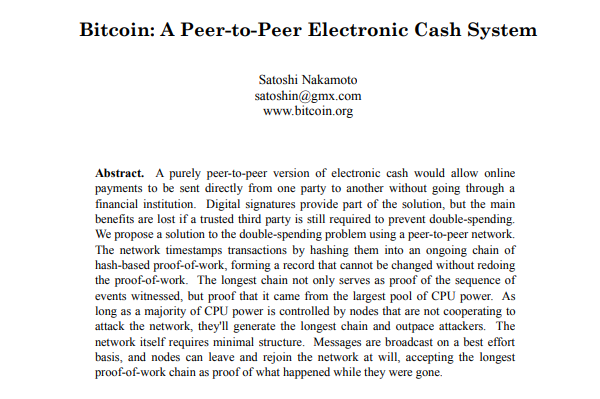
The breakthrough came in 2008 when a person or group using the pseudonym Satoshi Nakamoto published a white paper called "Bitcoin: A Peer-to-Peer Electronic Cash System." This paper solved the double-spending problem by introducing the blockchain concept.
In January 2009, the Bitcoin network came into existence with the mining of the first block, known as the "Genesis Block." For a few years, Bitcoin was mostly a niche interest for tech enthusiasts. But soon, other developers saw the potential of blockchain technology.
This led to the creation of thousands of other cryptocurrencies, often called "altcoins." One of the most significant was Ethereum, launched in 2015. Ethereum introduced the idea of "smart contracts," which are self-executing contracts with the terms of the agreement written directly into code. This innovation opened the door for applications beyond simple currency, like decentralized finance (DeFi) and non-fungible tokens (NFTs).
Now that you have a basic understanding of what cryptocurrency is and where it came from, let's review the key terms.
Ready to test your knowledge? Let's see what you've learned.
What is the key feature of cryptocurrency that distinguishes it from traditional government-issued money like the Euro or US Dollar?
The technology that most cryptocurrencies, including Bitcoin, are built on is called a __________.
This foundation gives you the context to understand the ever-evolving world of digital currencies.