Decoding Company Culture for Behavioral Interviews
Understanding Company Culture
What Is Company Culture?
Think of company culture as an organization's personality. It’s the shared set of values, beliefs, and attitudes that guide how people behave and work together. It’s the office's 'vibe'—the unwritten rules that shape the work environment.
Culture isn't about the perks like free snacks or a ping-pong table in the break room. Those are benefits. Culture runs deeper. It determines how decisions are made, how employees interact with their managers, and what behaviors are rewarded. It dictates whether the environment is collaborative or competitive, formal or casual, fast-paced or methodical.
Culture is the sum of all the ways people act and interact. It’s the invisible force that directs what gets done, and how.
The Building Blocks of Culture
Company culture is built from a few key components that work together.
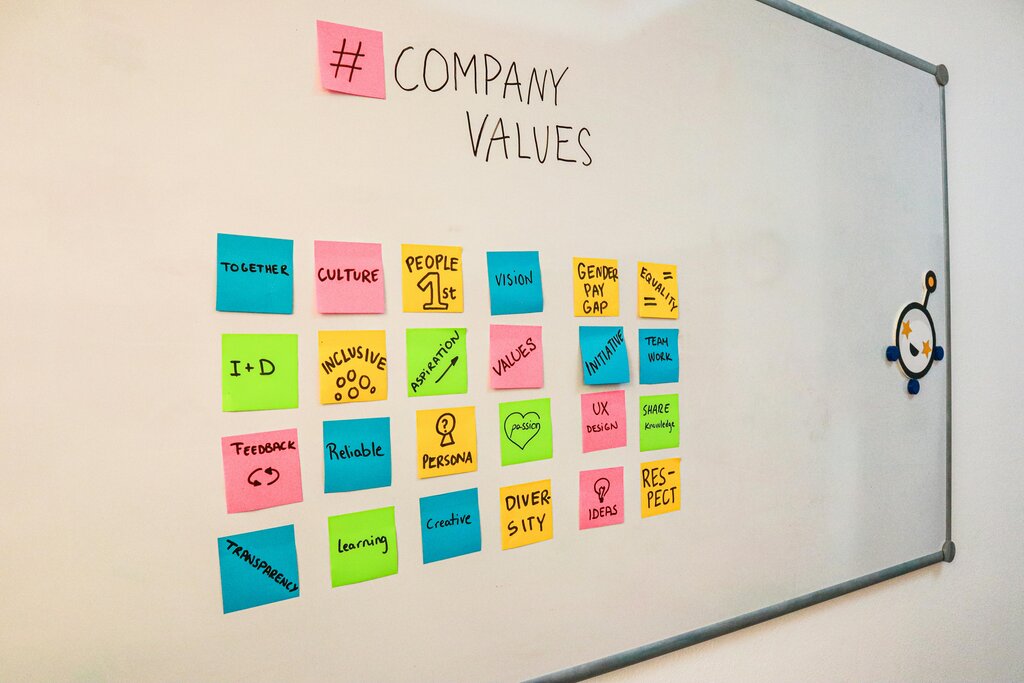
Values and Beliefs These are the core principles the company stands for. Values are the foundation of culture, guiding the company’s mission and purpose. They might include things like 'customer obsession,' 'innovation,' 'integrity,' or 'teamwork.' These beliefs shape the standards for how work should be done.
Practices and Norms This is where values turn into action. Practices are the tangible processes and routines, like how meetings are run, how feedback is given, or how promotions are decided. Norms are the unwritten social rules. Is it common for people to eat lunch at their desks, or do they go out in groups? Is it acceptable to challenge a manager's idea in a meeting? These everyday behaviors are powerful expressions of the underlying culture.
Why Culture Matters
A company's culture has a direct impact on both the business and its employees. For the company, a strong, positive culture helps attract and retain top talent. It fosters better teamwork, boosts productivity, and can lead to greater innovation. When everyone is aligned with the same values, the organization moves more efficiently toward its goals.
For you as an employee, culture is crucial for job satisfaction and career growth. A workplace that aligns with your personal values and work style will feel more engaging and supportive. On the other hand, a culture mismatch—even in a job that seems perfect on paper—can lead to stress, frustration, and a feeling of not belonging.
When you're preparing for an interview, understanding the company's values and culture is as critical as polishing your resume.
Understanding a company’s culture helps you look beyond the job description to see if the environment is one where you can truly thrive. It's about finding a place where you can do your best work and feel good doing it.