Decoding Company Culture for Behavioral Interviews
Understanding Company Culture
What is Company Culture?
Think of company culture as the personality of a workplace. It’s the shared set of values, beliefs, and behaviors that determine how an organization’s employees and management interact. It's the unspoken vibe you feel when you walk into an office and the answer to the question, “How do things really get done around here?”
Culture isn’t just about free snacks or ping-pong tables. It’s the invisible force that guides how people communicate, collaborate, and make decisions. A company can have the best strategy in the world, but without a supportive culture, it will struggle to execute it.
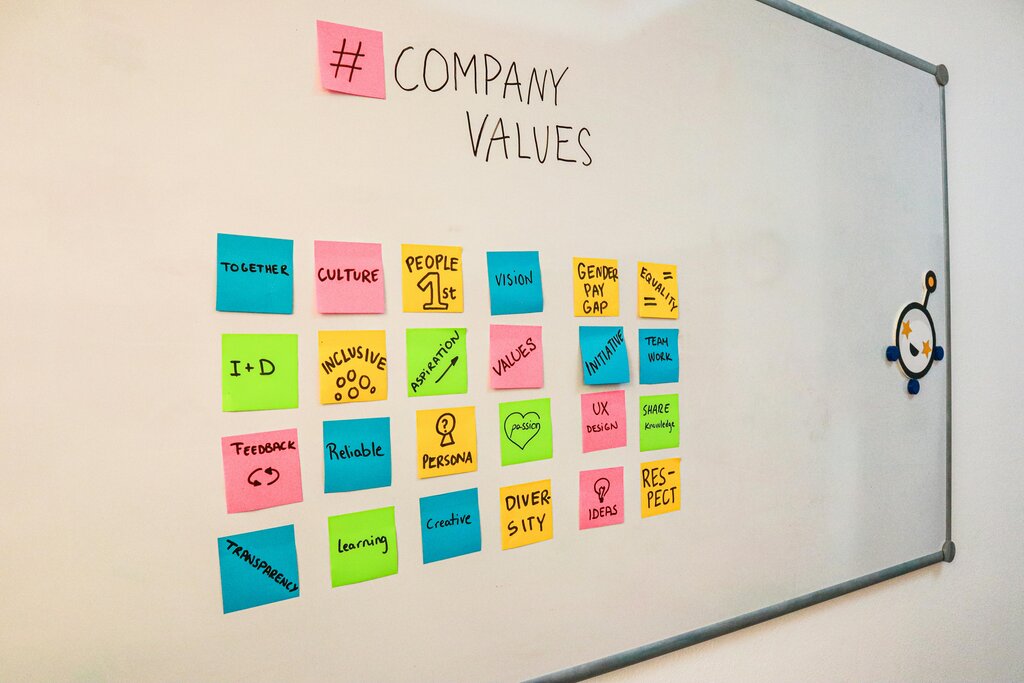
The Building Blocks of Culture
Company culture is made up of a few key components. While they are all connected, understanding each one helps paint a clearer picture of the whole.
Values: These are the guiding principles the company stands for. They are often written down in a mission statement and represent the organization's core beliefs. Values might include things like "Customer Obsession," "Bias for Action," or "Embrace and Drive Change."
Norms: These are the unwritten rules of day-to-day life at the company. Norms dictate how people are expected to behave. Is it normal to challenge your manager's ideas in a meeting? Do people communicate through formal emails or quick instant messages? Is the dress code business professional or casual? These are all cultural norms.
Practices: These are the tangible, concrete processes and policies that a company uses to reinforce its values. Practices include how the company hires, promotes, and rewards employees. The structure of meetings, the approach to flexible work, and the types of company-sponsored events are all practices that reflect the underlying culture.
| Component | Description | Example |
|---|---|---|
| Values | The company's stated beliefs | "We value transparency." |
| Norms | Unwritten rules of behavior | Leadership openly shares both good and bad news in all-hands meetings. |
| Practices | The processes that support values | The company's salary bands and performance metrics are accessible to all employees. |
Why Culture Matters
A company’s culture has a direct impact on its employees and its overall success. For employees, a positive culture can lead to higher job satisfaction, motivation, and a sense of belonging. When an employee's personal values align with the company's culture, they are more likely to be engaged and productive.
A negative or toxic culture does the opposite. It can cause stress, burnout, and high turnover as people leave to find a better environment. This constant churn is expensive and disruptive.
Whatever you uncover about a company culture, remember that you affect the culture once you join.
For the organization, a strong culture is a powerful asset. It helps attract and retain top talent, as people increasingly look for workplaces that fit their values. It also drives performance. When everyone is aligned on how to work and what to prioritize, the company can move faster and be more innovative.
Ultimately, culture shapes a company's reputation and its ability to achieve its long-term goals. It's not a soft, optional extra; it's a critical component of business success.