Decoding Common Skin Rashes
Introduction to Skin Anatomy
Your Body's Protective Suit
Your skin is more than just a surface; it's a complex, active organ. It's your body's first line of defense, a sensory powerhouse, and a personal climate control system all rolled into one. To understand how it works, we can look at its three distinct layers: the epidermis, the dermis, and the subcutaneous tissue.
The Epidermis: Your Outer Shield
The epidermis is the outermost layer of your skin, the part you can see and touch. Its main job is protection. Think of it as a constantly renewing shield. It’s made up of several layers of cells, primarily keratinocytes. These cells are born at the bottom of the epidermis and gradually move upward.
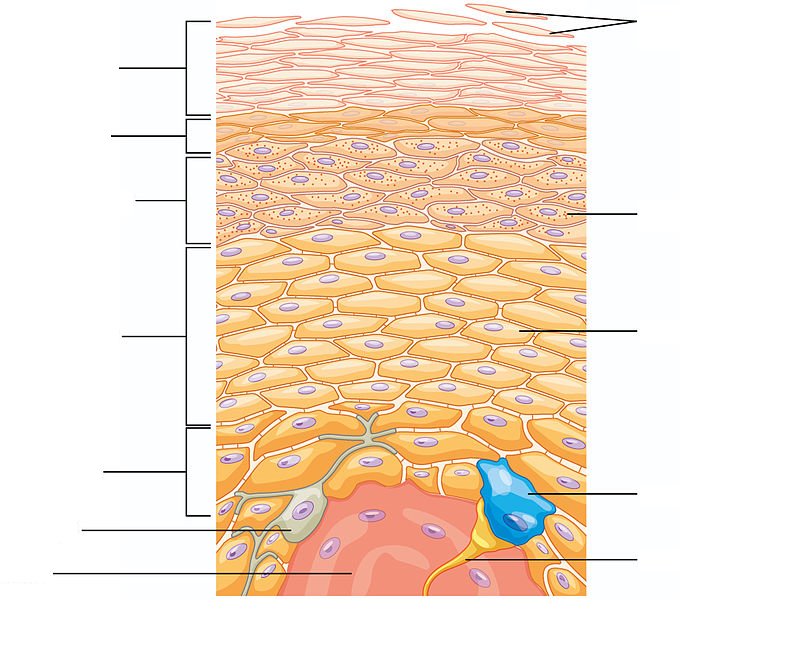
As these cells travel, they mature, fill with a tough protein called keratin, and eventually die. The outermost layer, the stratum corneum, is composed of these dead, flattened cells. This setup creates a durable, waterproof barrier that keeps harmful microbes and chemicals out while sealing moisture in. This entire renewal process takes about a month.
The epidermis contains melanocytes, the cells that produce melanin. This pigment gives your skin its color and provides crucial protection against the sun's ultraviolet (UV) radiation.
The Dermis: The Living Hub
Nestled beneath the epidermis is the dermis, a thick, resilient layer that acts as the skin's operational hub. If the epidermis is the shield, the dermis is the command center and supply depot. It’s packed with structures that give skin its strength and functionality.
The dermis is a mesh of two key proteins: collagen, which provides strength and structure, and elastin, which gives the skin its flexibility and ability to snap back into place. This layer is rich with blood vessels that supply oxygen and nutrients to the epidermis. It also houses an intricate network of nerve endings, allowing you to feel touch, pressure, heat, cold, and pain.
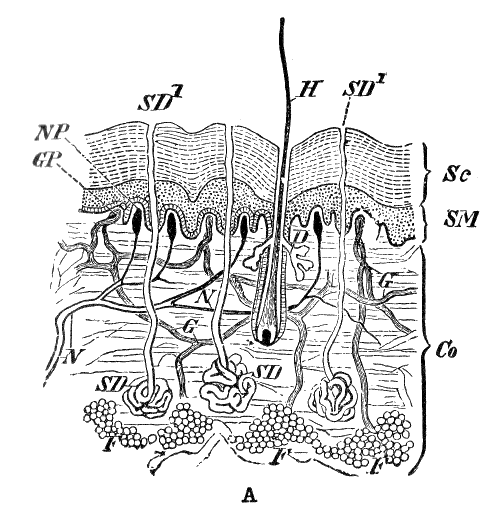
You'll also find several important glands here. Sebaceous glands produce an oily substance called sebum, which lubricates the skin and helps keep it waterproof. Sweat glands release sweat to cool the body down. The roots of your hair, called hair follicles, are also embedded in the dermis.
Subcutaneous Tissue: The Foundation
The deepest layer is the subcutaneous tissue, or hypodermis. It’s not technically part of the skin but connects it to the muscles and bones beneath. This layer is mostly made of fat and connective tissue.
This fatty layer serves several purposes. It acts as an insulator, helping to regulate body temperature by preventing heat loss. It also functions as a shock absorber, cushioning your internal organs, muscles, and bones from injury. Finally, the fat in this layer serves as an energy reserve for the body.
More Than a Barrier
Beyond its layered structure, the skin has some amazing system-wide functions. It's a key player in your immune system, with specialized immune cells in the epidermis and dermis that stand ready to fight off invading pathogens.
Your skin is also a vitamin factory. When exposed to sunlight, it produces vitamin D, an essential nutrient for bone health and immune function. It’s a remarkable organ that protects, senses, and regulates, all while constantly rebuilding itself from the inside out.
What is the primary role of the epidermis?
The skin produces vitamin D when exposed to sunlight.