Decoding Chinese Characters
Origins of Chinese Characters
From Pictures to Characters
The oldest Chinese characters weren't written in a book. They were etched onto bone. More than 3,000 years ago, during the Shang dynasty, kings and diviners would heat turtle shells and animal bones until they cracked. They believed the patterns of these cracks could predict the future.
To record the questions asked and the answers received, they carved symbols directly onto the bones. These carvings, known as oracle bone script (甲骨文, jiǎgǔwén), are the earliest confirmed ancestors of modern Chinese characters. They were highly pictographic, meaning they often looked like the objects they represented. The character for "horse" looked like a horse, and the one for "moon" resembled a crescent moon.
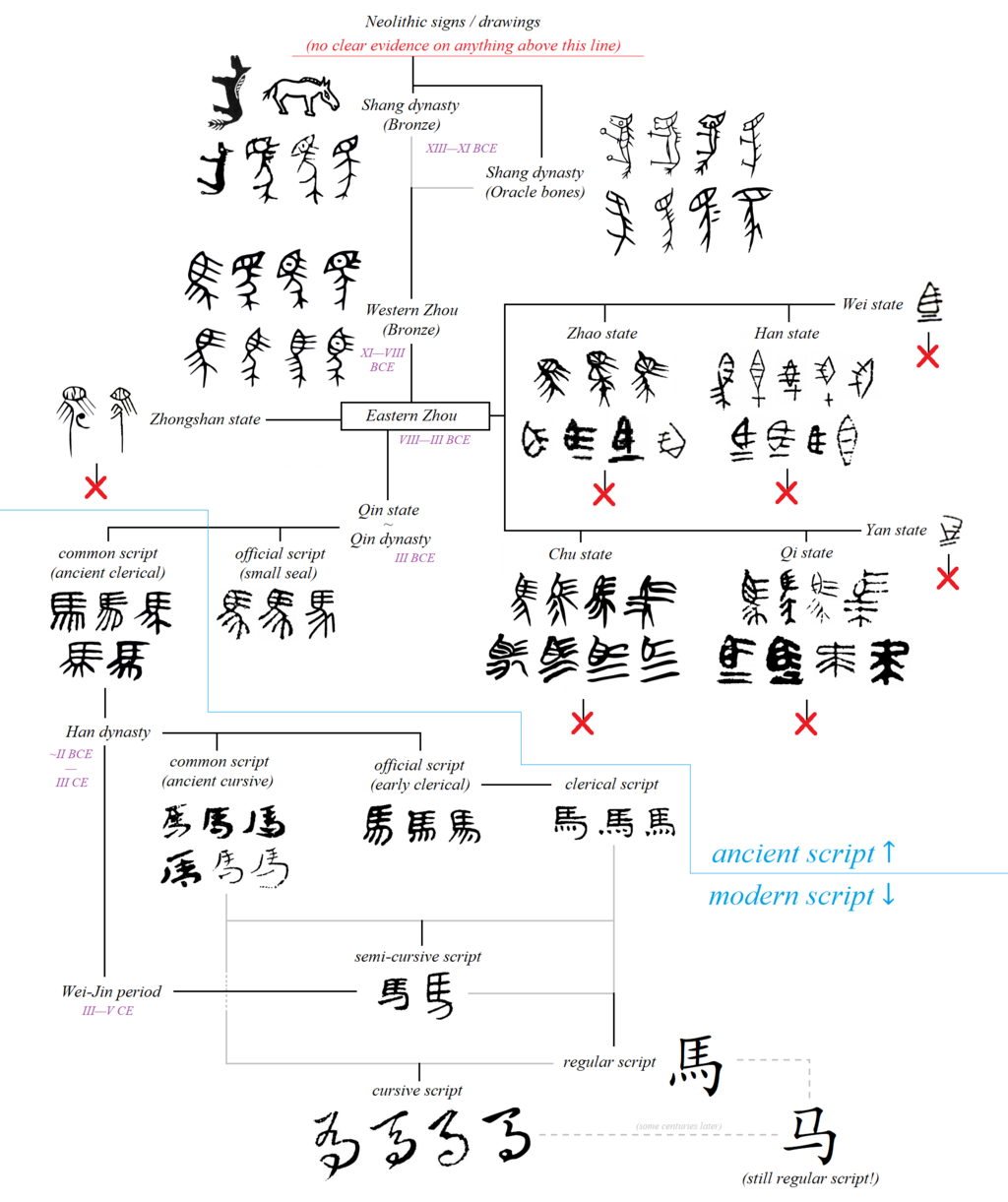
These early characters were not standardized. The same word could be written in several different ways, depending on the carver. Yet, they laid the foundation for a writing system that would endure for millennia.
Casting in Bronze
As Chinese civilization moved into the Bronze Age, the writing medium shifted. Important events, decrees, and family histories were no longer just carved on bone but were cast into bronze vessels like bells and cauldrons. This new form of writing is called bronze script (金文, jīnwén).
Because the characters were written in a mold before being cast, their lines became thicker, rounder, and more uniform than the sharp etchings on oracle bones.
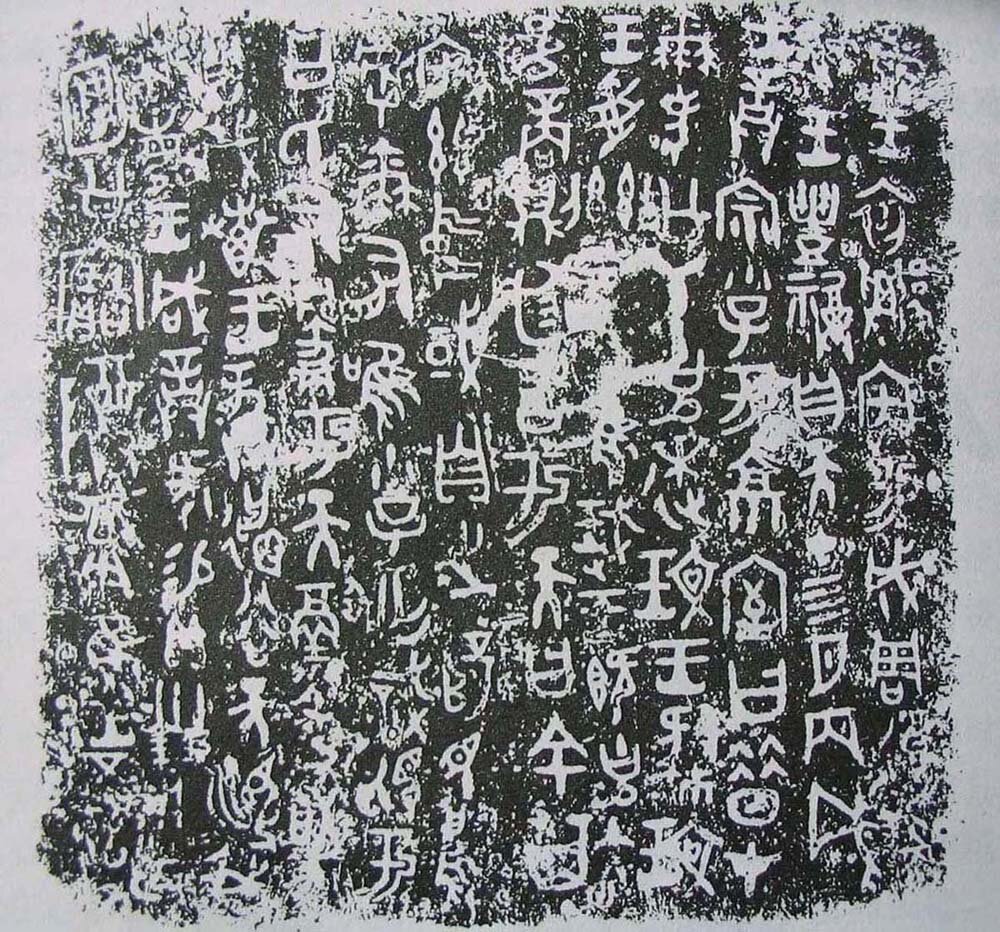
Bronze script shows a clear evolution from oracle bone script. The characters became slightly more abstract and regular in shape. They were still pictographic, but the resemblance to physical objects began to fade as the symbols became more stylized and consistent.
Unifying the Script
For centuries, different regions in China developed their own variations of script. This changed in 221 BC when Qin Shi Huang, the first emperor of China, unified the country. To consolidate his power and streamline administration, he mandated a standard writing system for the entire empire.
This standardized script was called seal script (篆書, zhuànshū). It was elegant and intricate, with uniform thickness and flowing, curved lines. Seal script was more abstract than its predecessors, marking a significant step away from direct pictorial representation. This uniformity made communication across the vast empire far more efficient.
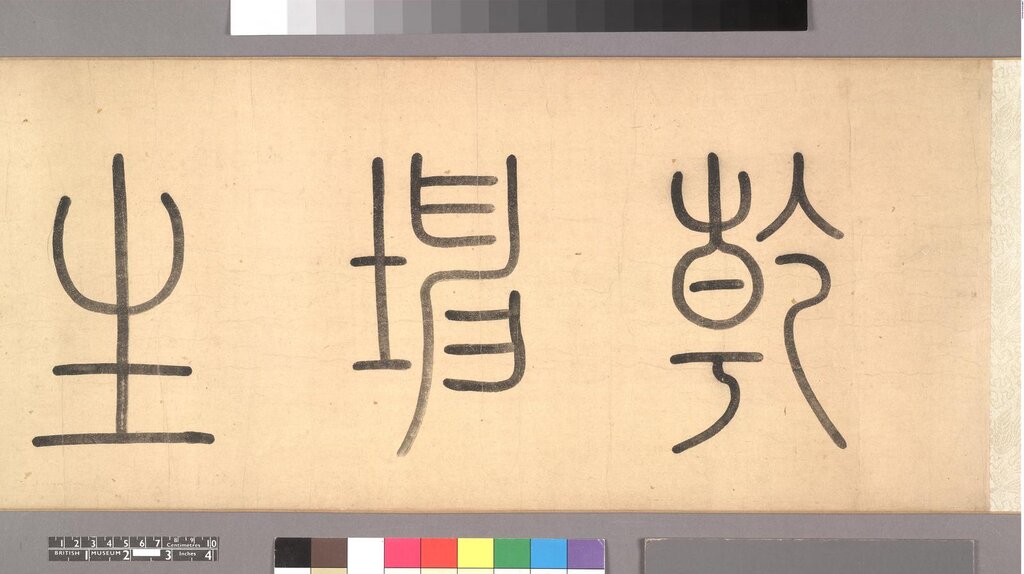
While beautiful, seal script was slow and cumbersome to write. The need for a faster, more practical script for everyday government work soon became apparent, especially for the growing bureaucracy of the Han dynasty that followed.
The Modern Form Emerges
Out of this need for speed and efficiency came clerical script (隸書, lìshū). Developed by government clerks, this script was a dramatic simplification. It transformed the rounded, flowing strokes of seal script into flatter, straighter lines that were much faster to write with a brush on bamboo slips or silk.
Clerical script marked the end of the pictographic stage. Characters were no longer meant to look like objects but were composed of distinct, stylized strokes. This was a revolutionary change that established the basic structure of modern Chinese characters.
The final step in this evolution was the development of regular script (楷書, kǎishū). It refined the clerical script, making the characters even more clear, balanced, and easy to write. By the end of the Han dynasty, regular script had become the standard, and it is the same script used in printed materials today.
What was the primary purpose of the earliest known Chinese characters, the oracle bone script (甲骨文, jiǎgǔwén)?
Which ancient Chinese script was the most pictographic, with characters that most closely resembled the physical objects they represented?
From rough pictures carved on bone to the elegant characters printed in books, the Chinese script tells the story of a civilization's journey through thousands of years of history, technology, and culture.