Decoding CEO Earnings Calls
Earnings Call Basics
What Is an Earnings Call?
An earnings call is a conference call where a public company's management team discusses its financial results for a specific period, usually a quarter or a fiscal year. Think of it as a company's report card presentation. It’s a direct line of communication between the people running the company and anyone interested in its performance, like investors, analysts, and the media.
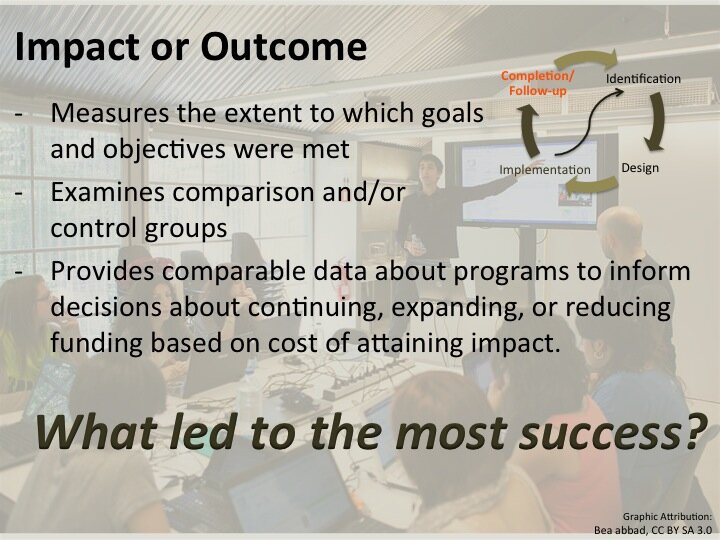
The main goal is transparency. Companies use these calls to provide context for the numbers on their financial statements. They explain what went well, what didn’t, and how they see the future unfolding. For investors, it's a crucial opportunity to look beyond the raw data and understand the story behind the company's performance and strategy.
Anatomy of a Call
While the specifics can vary, most earnings calls follow a predictable three-part structure. The event usually lasts about an hour and is broadcast live via a webcast.
First, the call begins with a "safe harbor" statement. This is a legal disclaimer read by a company representative, reminding listeners that any forward-looking statements are projections, not guarantees. It protects the company from litigation if its predictions don't come true.
Next come the prepared remarks. The Chief Executive Officer (CEO) and Chief Financial Officer (CFO) take turns speaking. The CEO typically provides a high-level overview of the company's performance, strategic initiatives, and market position. The CFO then dives deeper into the financial results, covering key metrics like revenue, earnings per share (EPS), and profit margins.
The final part is often the most revealing: the question-and-answer (Q&A) session. This is where the scripted presentation ends and the spontaneous dialogue begins.
The Key Players
A handful of key groups participate in every earnings call, each with a distinct role.
| Participant | Role |
|---|---|
| Company Management | Presents results and answers questions (CEO, CFO, Investor Relations) |
| Analysts | Ask detailed questions to inform their research and recommendations |
| Investors | Listen in to make informed decisions about buying, holding, or selling stock |
| Media | Report on the company's performance to the public |
Underpinning all of this are regulatory requirements. In the U.S., the Securities and Exchange Commission (SEC) enforces Regulation Fair Disclosure (Reg FD). This rule mandates that when a public company discloses significant information, it must do so broadly to all investors at the same time. Earnings calls, which are publicly accessible, are a primary way companies comply with this rule, ensuring a level playing field for all investors.
Earnings calls are important investor events because they provide a direct channel to understand a company's performance and strategic direction from the top management.
Now that you understand the basics of what an earnings call is, who participates, and how it's structured, let's test your knowledge.
What is the primary purpose of a public company's earnings call?
Which part of an earnings call is a legal disclaimer reminding listeners that forward-looking statements are not guarantees?
Understanding these fundamentals provides the foundation needed to start analyzing the valuable information shared in every call.