Decluttering Toys for a Tidy Home
Understanding Toy Clutter
More Than Just a Mess
Step into any home with young children, and you'll likely find them: toys spilling out of bins, hiding under sofas, and colonizing entire rooms. A few toys are a joy. But when the collection grows too large, it turns into toy clutter. This isn't just about untidiness. It's the point where the sheer volume of toys becomes overwhelming, making spaces feel chaotic and difficult to manage.
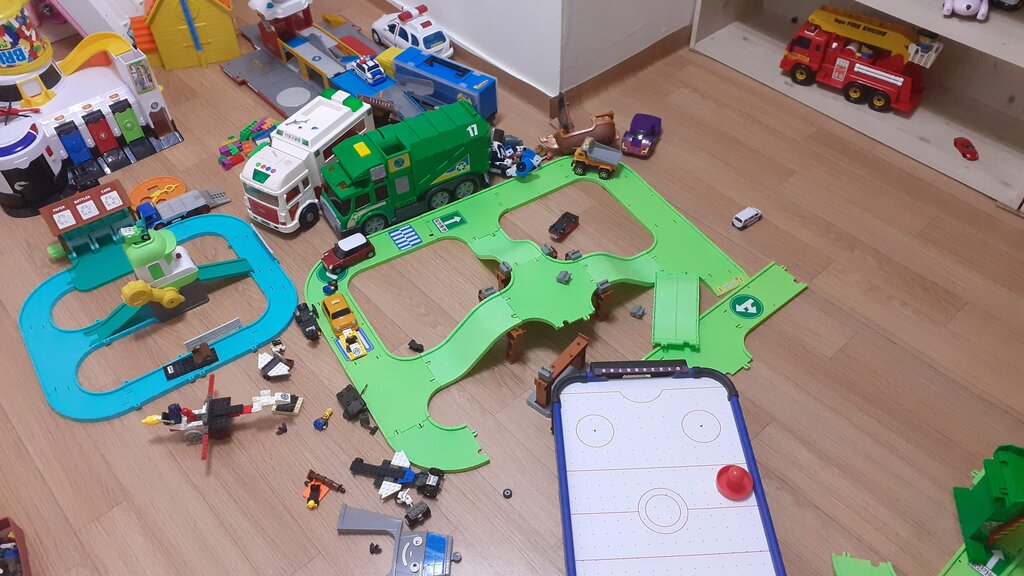
So, how does it happen? Toy clutter rarely appears overnight. It creeps in through birthdays, holidays, and well-meaning gifts from relatives. We buy toys on impulse, hoping to spark a new interest or just to see a child's face light up. Before we know it, the house is flooded.
Sentimental value plays a big role, too. It's hard to part with the stuffed animal a child slept with every night as a baby, or the block set they first learned to stack. We attach memories to these objects, making them feel irreplaceable.
Often, the problem is simply a lack of a system. When toys don't have a designated home, they can't be put away properly. They migrate from room to room, creating a constant state of disarray.
The Hidden Costs of Clutter
A room buried in toys can have a surprising effect on our minds. For adults, the constant visual noise creates a low-grade sense of stress and makes it feel impossible to truly relax. The home stops being a sanctuary and starts feeling like a never-ending to-do list.
For children, the impact is different but just as significant. You might think more toys lead to more play, but studies suggest the opposite is true. When faced with too many options, kids can become overstimulated and distracted. They flit from one toy to another without engaging deeply with any of them. This can stifle creativity and the ability to focus.
Physical clutter often creates mental clutter.
A child with fewer toys is more likely to play more imaginatively. They invent new ways to use the same items, combining them to build worlds and tell stories. A simple set of blocks can become a castle, a car, or a spaceship. When there are dozens of single-purpose toys competing for attention, that kind of deep, creative play gets lost.
The Benefits of Less
Clearing out toy clutter does more than just make a room look tidier. It creates a more peaceful and functional living space for the whole family. With less to manage, clean, and organize, there's less stress and more time for connection.
When children have fewer toys, they tend to take better care of the ones they have. They learn to value their possessions more. Play becomes more intentional and meaningful. Instead of being passively entertained, they become active creators in their own playtime.
Reducing the number of toys encourages children to be more resourceful. They might read more, draw, or head outside for an adventure. It fosters a different kind of engagement with the world around them, one that isn't dependent on having the latest toy.
According to the text, how does a large volume of toys typically affect a child's playtime?
What is described as a significant reason why parents find it difficult to get rid of old toys?
Taking a moment to understand the roots and effects of toy clutter is the first step. It shifts the goal from just cleaning up a mess to creating a more supportive environment for everyone in the family.