Declutter Your Mind Smart Home
Understanding Mental Load
What is Mental Load?
Mental load is the invisible work of managing a life, a household, or a project. It’s not about doing the tasks themselves, but about remembering them, planning them, and delegating them. Think of it as being the air traffic controller for your daily life. You're constantly tracking incoming flights (errands), managing runway schedules (appointments), and anticipating potential weather delays (unexpected problems).
This cognitive labor is constant. It’s the running to-do list in your head that never seems to get shorter. It’s remembering to buy milk, schedule a dentist appointment, notice the kids need new shoes, plan dinner, and pay the electricity bill on time. Each task on its own might be small, but the effort of managing them all adds up.
Even when you're relaxing, part of your brain is still scanning the environment, updating lists, and planning for what comes next. This background processing is the essence of mental load.
Clutter and Your Brain
Our physical environment has a direct impact on our mental state. When your space is cluttered, it sends a signal to your brain that work is never done. Every pile of mail, stack of dishes, or disorganized closet represents a series of postponed decisions and unfinished tasks.

This constant visual reminder of things left undone can trigger a low-grade stress response. Your brain processes the mess as a threat, releasing cortisol, the stress hormone. Over time, this chronic stress can lead to anxiety, fatigue, and difficulty concentrating. A disorganized space creates a chaotic mental space, making it harder to relax and focus.
The Weight of Unseen Work
The connection between disorganization and stress is clear. When you can't find your keys, you feel a spike of panic. When your calendar is a mess, you worry about missing important events. This lack of system and order forces your brain to work harder just to manage basic daily functions. The energy spent navigating this chaos is energy you could be using for more important things.
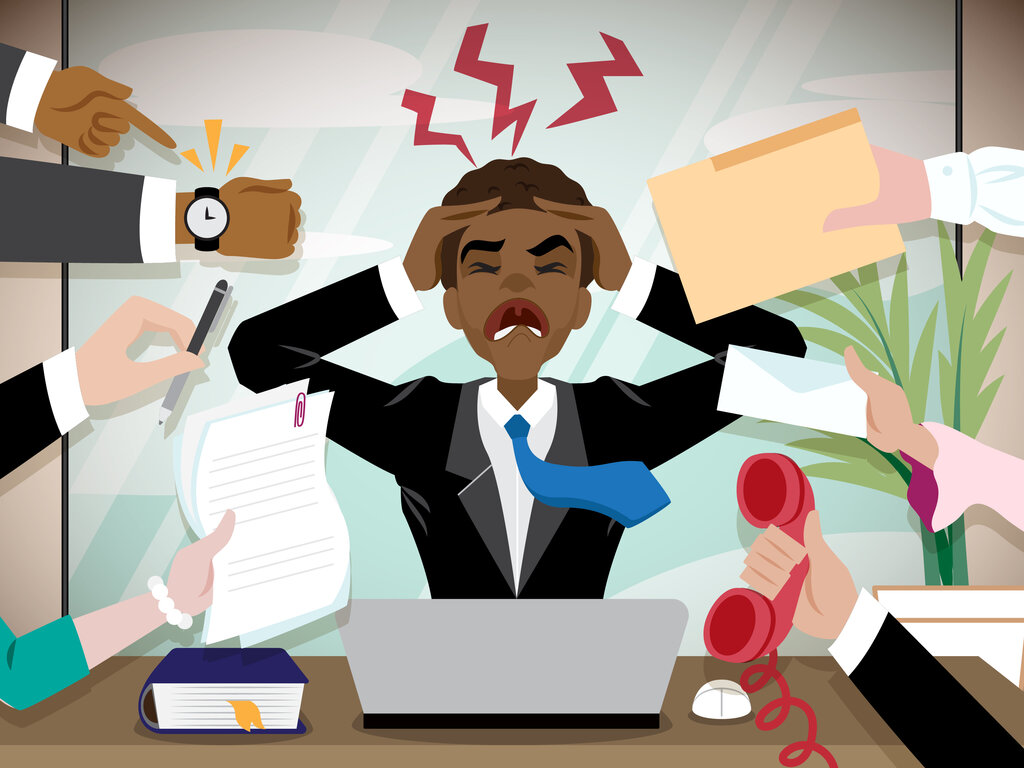
This accumulation of cognitive responsibilities is what makes mental load so heavy. It’s not just one thing; it's the endless stream of planning, organizing, and remembering that wears you down. This invisible labor is often unacknowledged, but its impact on our well-being is significant. It can strain relationships, reduce personal time, and contribute to burnout.
Let's check your understanding of these concepts.
Which of the following best describes the concept of "mental load"?
The text compares the management of daily life's tasks to being a(n) __________, who tracks incoming items, manages schedules, and anticipates problems.
Recognizing mental load and its connection to your environment is the first step toward managing it.