Decimal to Fraction Conversion Made Easy
Understanding Decimals
Beyond Whole Numbers
So far, we've talked about whole numbers like 1, 2, and 10. But what about the spaces in between? Life is full of parts and pieces. We might eat half a sandwich, run for 2.5 miles, or pay for something that costs $1.75. To handle these situations, we need a way to write down numbers that aren't whole. One of the most common ways is by using decimals.
A decimal number is just a way of writing a number that has a whole part and a fractional part. The two parts are separated by a special symbol.
decimal point
noun
A dot or point used to separate the whole number part from the fractional part of a number.
Place Value Matters
Just like with whole numbers, the position of a digit in a decimal tells us its value. As we move left of the decimal point, each place gets 10 times bigger (ones, tens, hundreds). When we move right of the decimal point, each place gets 10 times smaller.
The very first spot to the right of the decimal point is the tenths place. It tells us how many tenths of a whole we have. Imagine a chocolate bar broken into 10 equal pieces. One of those pieces is one-tenth of the bar. We'd write that as 0.1.
The next spot over is the hundredths place. This is for even smaller pieces. If we took our chocolate bar and broke each of the 10 pieces into 10 more tiny pieces, we'd have 100 in total. One of those tiny pieces is one-hundredth, or 0.01.
Money is a perfect example. A dollar is one whole. A dime is one-tenth of a dollar ($0.10), and a penny is one-hundredth of a dollar ($0.01). It takes 100 pennies to make one dollar.
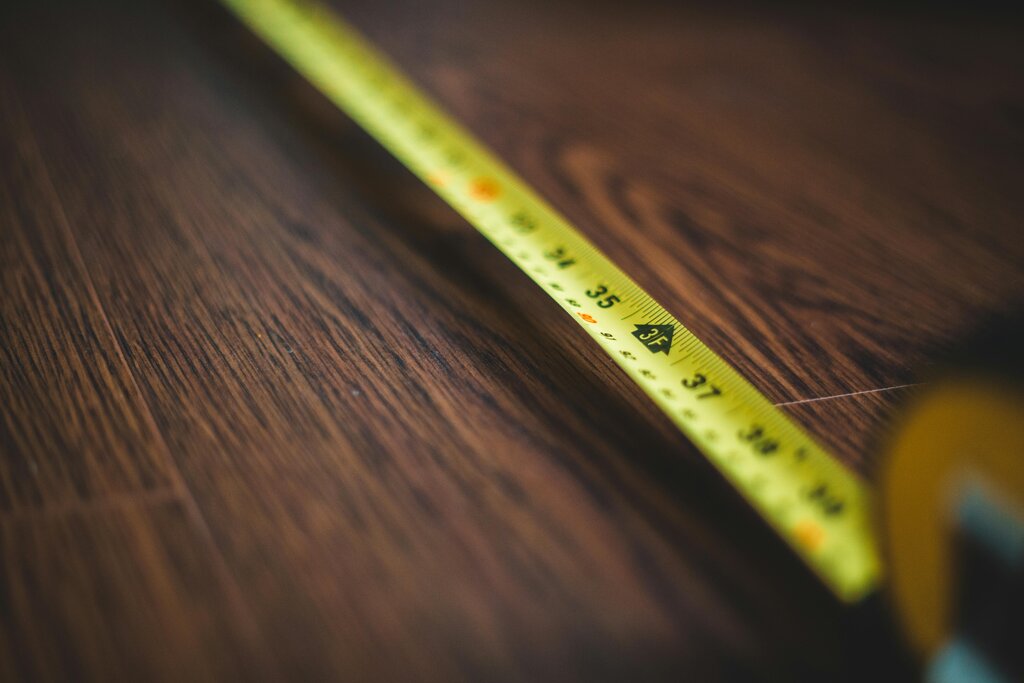
We can get even more precise. The third spot to the right is the thousandths place. This means we've divided a whole into 1,000 equal parts. One of those parts is written as 0.001. These are very small amounts, often used in science and engineering for precise measurements.
Decimals in the Real World
Once you start looking for them, you'll see decimals everywhere. They're not just for math class. They help us understand the world with more detail than whole numbers alone can provide.
Think about these examples:
- Money: Prices like $4.99 or $19.50.
- Measurement: A person's height might be 1.65 meters, or a piece of wood could be 8.5 inches long.
- Sports: A sprinter might run the 100-meter dash in 9.58 seconds. The difference between winning and losing can be a few hundredths of a second.
- Cooking: A recipe might call for 0.75 liters of water.
In all these cases, decimals give us the precision we need. They are a tool for communicating exact amounts that fall between whole numbers.
| Number | How to Read It | Place Value Breakdown |
|---|---|---|
| 0.7 | seven tenths | 7 in the tenths place. |
| 3.45 | three and forty-five hundredths | 3 in the ones place, 4 in the tenths, 5 in the hundredths. |
| 12.109 | twelve and one hundred nine thousandths | 1 in the tens, 2 in the ones, 1 in the tenths, 0 in the hundredths, 9 in the thousandths. |
When reading a decimal number with a whole part, you can say the word "and" for the decimal point. For example, 5.2 is read as "five and two tenths."
Let's check your understanding of these new concepts.
What is the main purpose of the decimal point in a number?
In the number 9.58, what does the digit 5 represent?
Great job. You've now seen how decimals represent parts of a whole and how place value works on both sides of the decimal point.