Debunking Political Debate Fallacies
Introduction to Logical Fallacies
Arguments That Don't Add Up
Have you ever listened to an argument and felt like something was off, but you couldn't quite put your finger on it? The speaker sounded confident, and their points seemed to connect, yet the conclusion just didn't feel right. Chances are, you stumbled upon a logical fallacy.
fallacy
noun
A mistaken belief, especially one based on an unsound argument.
A logical fallacy is a flaw in the structure of an argument. It's an error in reasoning that makes an argument invalid. This is different from a factual error, where someone just gets their facts wrong. With a fallacy, the facts might even be true, but the way they're pieced together is deceptive or broken. Think of it like a recipe. You could have all the right ingredients (the facts), but if you mix them in the wrong order or bake them at the wrong temperature (the reasoning), you won't end up with a cake. You'll end up with a mess.
Fallacies are tricks of logic. They create an illusion of a solid argument, but they crumble under scrutiny.
Why Spotting Fallacies Matters
Recognizing logical fallacies is a superpower for clear thinking. It helps you cut through the noise and evaluate what people are actually saying, not just how they're saying it. This is especially important when the stakes are high, like when listening to politicians or making decisions about our health and finances.
Arguments are all around us. They're in advertisements, news reports, and social media feeds. Many are designed to persuade you to buy something, believe something, or vote for someone. When these arguments use fallacies, they can mislead us into making poor decisions based on faulty logic.
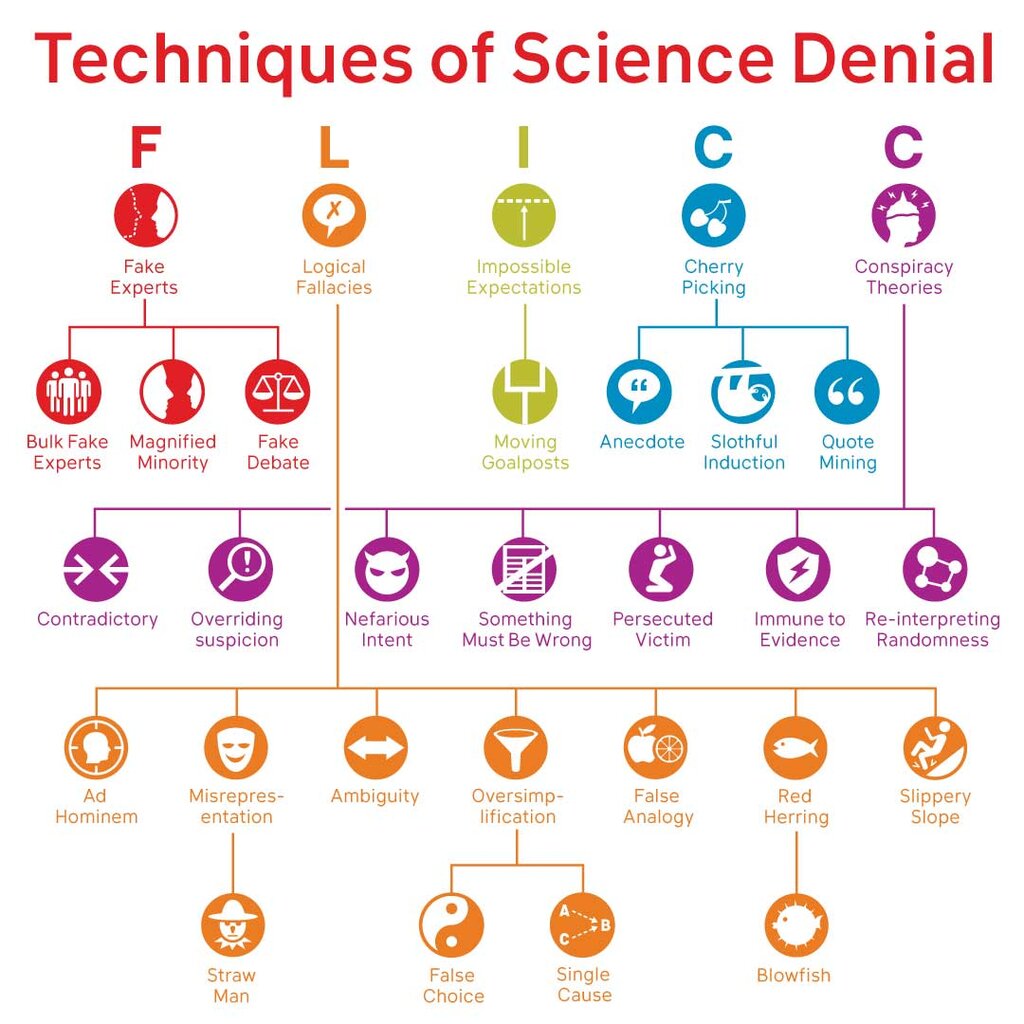
In the world of politics, logical fallacies are incredibly common. They can be used to attack an opponent's character instead of their argument, to oversimplify complex issues, or to stir up emotions to distract from a lack of evidence. An entire debate can be built on a foundation of shaky reasoning.
By learning to identify these fallacies, you can protect yourself from manipulation. You become a more critical consumer of information, able to distinguish a sound argument from a persuasive but empty one. This skill is fundamental to making informed choices as a citizen and navigating a world full of competing claims for your attention and trust.
Ready to check your understanding of these core ideas?
What is the best definition of a logical fallacy?
An argument can contain a logical fallacy even if all the facts it uses are true.
Now that you have a foundational understanding of what fallacies are and why they matter, you're ready to learn how to spot specific types in the wild.