Debits and Credits Explained
Introduction to Bookkeeping
The What and Why of Bookkeeping
Bookkeeping is the day-to-day process of recording a company's financial transactions. Think of it as a detailed financial diary. Every time money moves—a sale is made, a bill is paid, a loan is taken out—the bookkeeper records it. This isn't just about tidiness; it's about clarity. The goal is to create a precise, up-to-the-minute picture of a company's financial health.
Without this record, a business is flying blind. Is the company profitable? Can it afford to hire a new employee? Is there enough cash to pay suppliers next month? Good bookkeeping provides the answers.
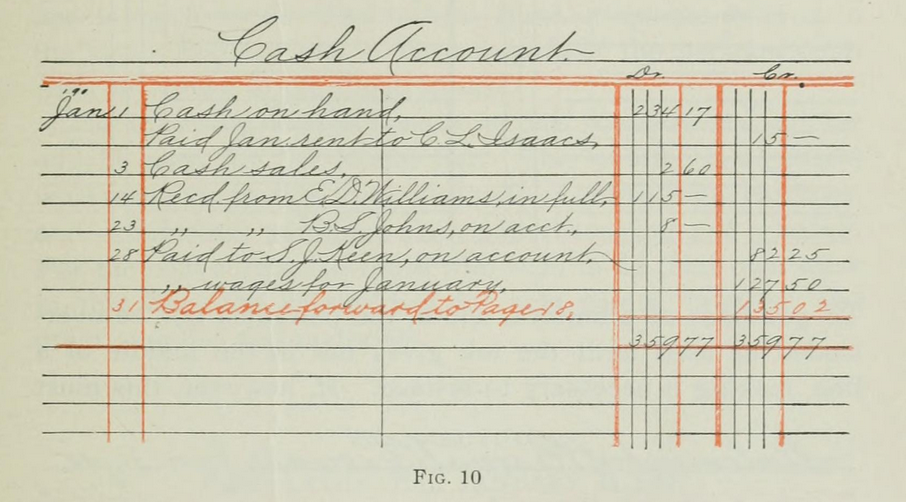
Imagine running a small coffee shop. You sell hundreds of lattes, buy milk and beans, and pay your baristas. If you don't track each of these transactions, you'll never know if your $5 latte is actually making you money or costing you. Accurate records are the only way to see the full story. They're essential for filing taxes, applying for loans, and making smart decisions to help the business grow.
Well-kept financial records put you on the path to success and provide the foundation for business growth.
The Core Equation
Every transaction, no matter how complex, is governed by one simple, powerful idea: the accounting equation. It's the bedrock of all bookkeeping and ensures that the financial records always remain in balance.
Let's break down what each part means:
| Term | Meaning | Simple Example |
|---|---|---|
| Assets | The resources a business owns. | Cash, computers, delivery vans, inventory. |
| Liabilities | What a business owes to others. | Bank loans, money owed to suppliers. |
| Equity | The owner's stake in the company. | The money an owner initially invests. |
The equation shows that everything the company owns (its assets) is claimed by either creditors (liabilities) or its owners (equity). It must always balance. If you buy a $1,000 computer (an asset) with a loan, your assets go up by $1,000, but so do your liabilities. The equation remains perfectly balanced.
This simple framework makes it easier to apply the principles of bookkeeping and correctly record every financial transaction.
This fundamental concept ensures that for every transaction, there's an equal and opposite entry, keeping the company's financial books consistent and reliable.