De Novo Peptide Design
Peptide Basics
The Language of Life
At the core of many biological processes are molecules called peptides. Think of them as short sentences written in a chemical language. This language has an alphabet of 20 standard letters, known as amino acids. Each amino acid is a small molecule with a common backbone and a unique side chain, or R group.
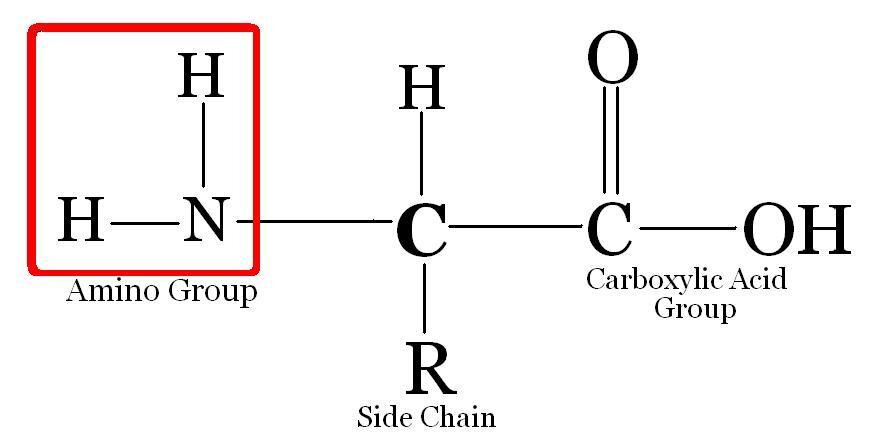
This R group is what makes each amino acid different. Some are simple, while others are complex. Some are attracted to water (hydrophilic), and some are repelled by it (hydrophobic). These individual characteristics are crucial because they dictate how the peptide will behave.
Forging the Chain
Amino acids don't usually act alone. They link together in a chain, like beads on a string, to form peptides. This connection is called a peptide bond.
A peptide bond forms when the carboxyl group of one amino acid reacts with the amino group of another. This process, known as a condensation reaction, releases a single molecule of water.
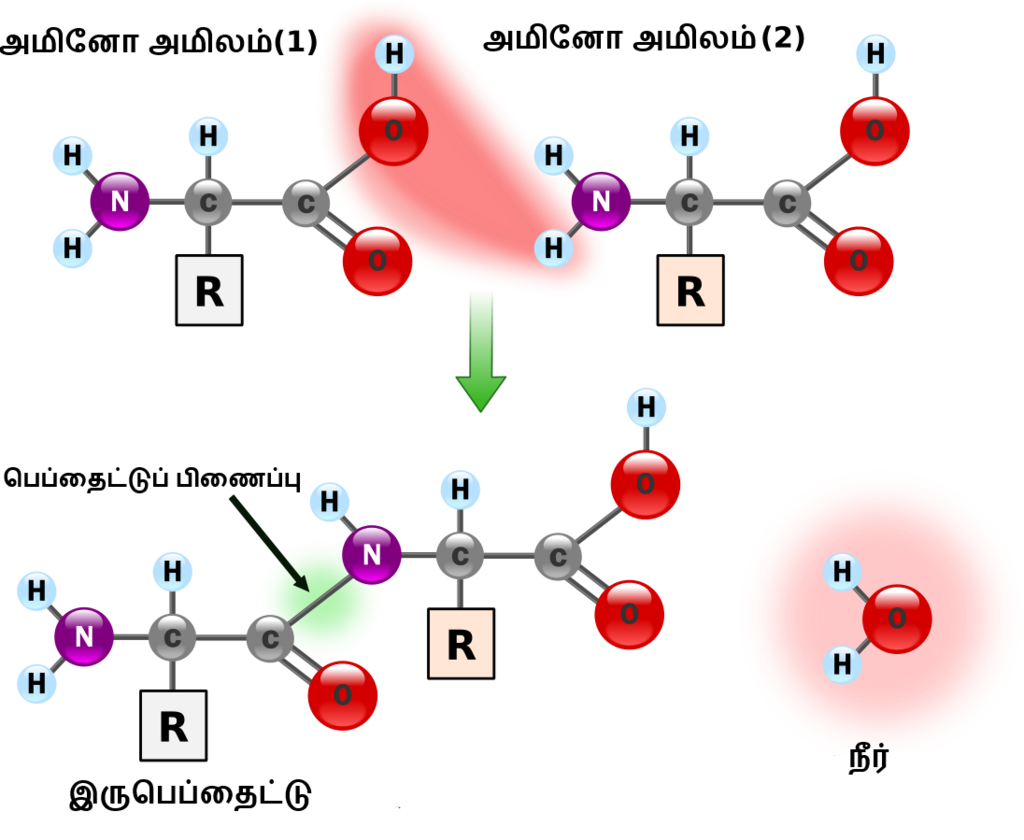
When two amino acids join, they form a dipeptide. Three form a tripeptide, and so on. A chain of amino acids is called a polypeptide. Each polypeptide chain has two distinct ends: an amino terminus (N-terminus) with a free amino group, and a carboxyl terminus (C-terminus) with a free carboxyl group. This directionality is fundamental to how peptides are read and synthesized in the cell.
Peptide
noun
A short chain of amino acids linked by chemical bonds called peptide bonds.
Sequence Determines Function
The sequence in which amino acids are arranged is everything. Changing just one amino acid in the chain can completely alter the peptide's function, much like changing one letter can turn "read" into "road."
This specific order is the peptide's primary structure. The chemical properties of the side chains (the R groups) cause the linear chain to twist and fold into a specific three-dimensional shape. This final shape is what allows the peptide to interact with other molecules and perform its specific job in the body.
A peptide's function is born from its sequence. The order of amino acids dictates its structure, and its structure dictates its role.
The Many Jobs of Peptides
Peptides are the versatile workers of the biological world. Their functions are incredibly diverse.
-
Signaling: Many hormones are peptides. Insulin, for example, is a peptide that tells your cells to take up glucose from the blood. Others act as neurotransmitters, carrying signals between nerve cells.
-
Structural Support: Long polypeptide chains are the building blocks of proteins like collagen, which provides strength and structure to skin, bones, and tendons.
-
Defense: Some peptides act as natural antibiotics, defending the body against bacteria and other pathogens.
-
Enzymatic Activity: While most large enzymes are proteins, some small peptides can catalyze or assist in chemical reactions.
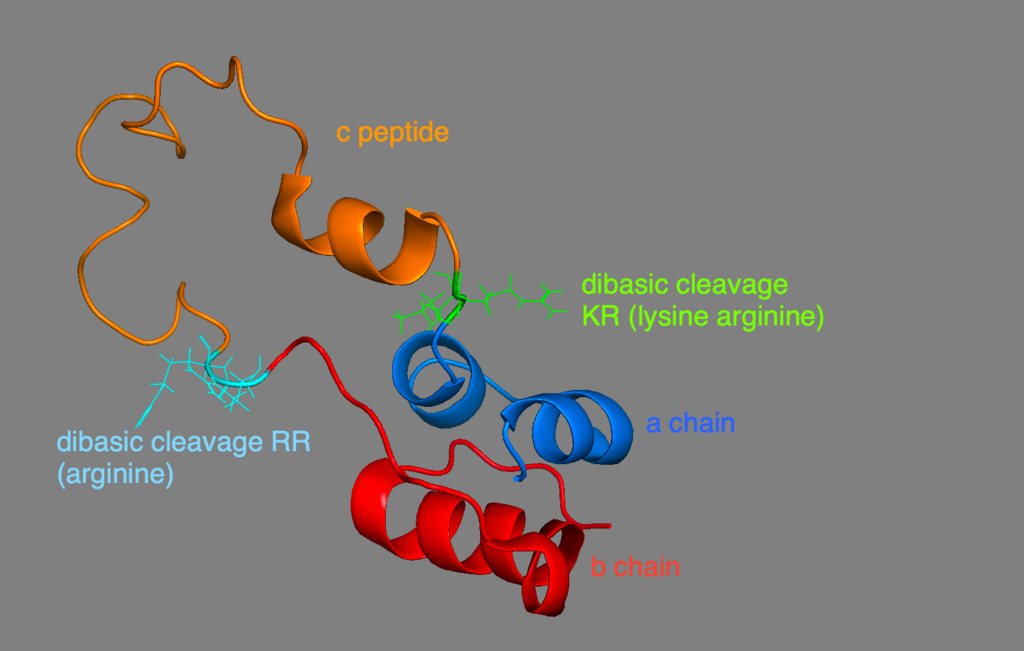
Understanding these fundamentals is the first step in appreciating the complexity and elegance of peptides. From a simple chain of amino acids emerges a world of function that is essential for life.
Ready to check your understanding?
What is the specific type of bond that links amino acids together in a chain?
The unique chemical properties of each of the 20 standard amino acids are determined by its...
By understanding how these simple chains are built and how their sequence dictates their role, we can begin to see how they are fundamental to nearly every process in our bodies.