DC to DC Voltage Conversion
Introduction to DC-DC Conversion
Why Change Voltage?
Most electronic devices you use, from your phone to your laptop, run on direct current (DC) power. But there’s a catch: not all parts of a device need the same voltage. Your laptop's battery might provide 19 volts, but the processor inside only wants about 1.2 volts, and the memory might need 1.8 volts. Supplying each component with its own specific power source would be bulky and inefficient.
This is where DC-DC converters come in. They are circuits that take a DC voltage at one level and convert it to another. Think of a car charger for your phone. The car's electrical system provides 12 volts, but your phone's battery charges at around 5 volts. A small DC-DC converter inside the charger handles this step-down conversion seamlessly.
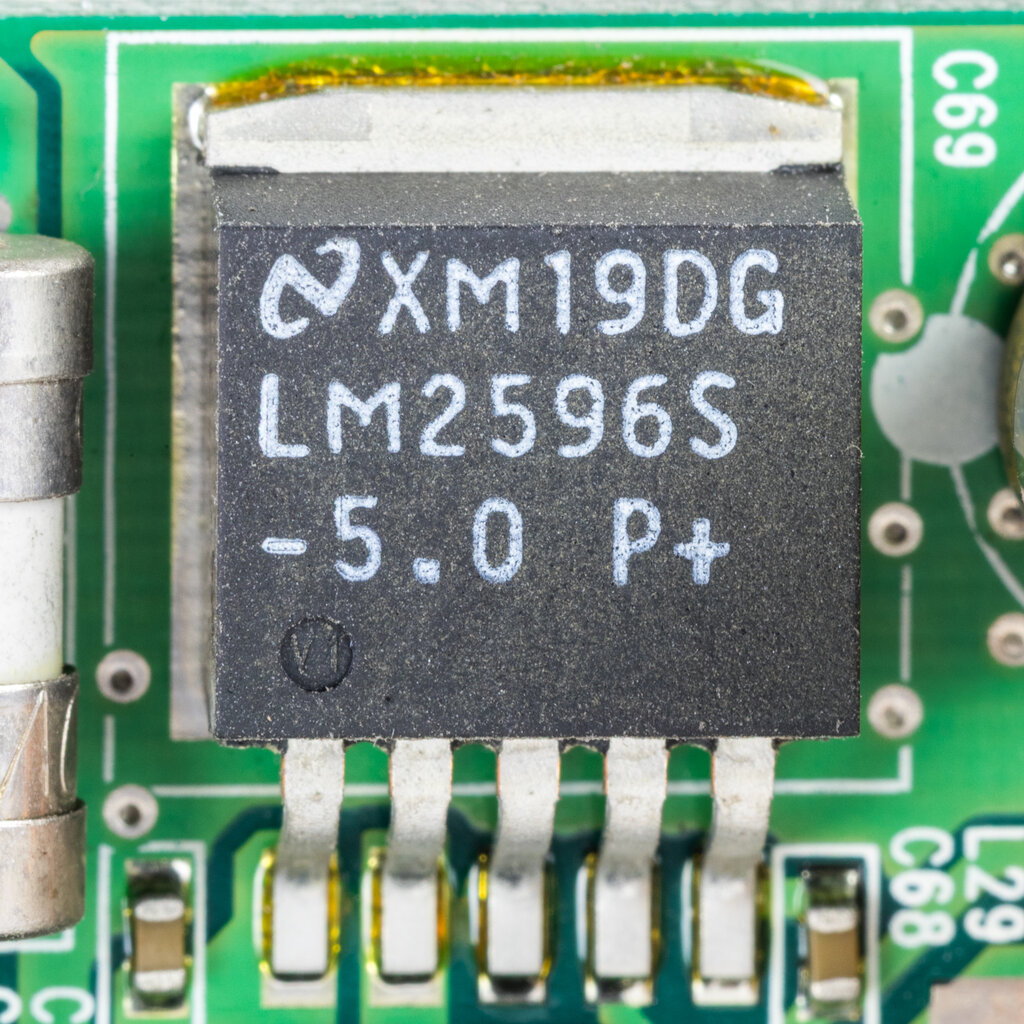
These converters are essential for managing power within a single device, allowing a single battery or power supply to efficiently power a wide range of components.
The Efficiency Problem
In a perfect world, converting voltage would be a simple trade. The total power going into the converter would equal the total power coming out. Since power is voltage multiplied by current (), if you decrease the voltage, you would proportionally increase the current, and no energy would be lost.
For example, to convert a 12V, 1A input (12 watts) to a 3V output, the output current would have to be 4A to maintain the same 12 watts of power ().
But we don't live in a perfect world. The components inside a converter, like transistors and inductors, aren't perfect. They have resistance and other characteristics that cause some energy to be lost, usually as heat. This is why your laptop charger feels warm after being plugged in for a while. That heat is wasted energy.
Efficiency
noun
The ratio of useful power output from a device to the total power input. It's usually expressed as a percentage.
We calculate efficiency using a simple formula:
Higher efficiency is always better. It means less energy is wasted, which translates to longer battery life for portable devices and lower electricity bills for devices plugged into the wall. It also means less heat is generated, which can improve the reliability and lifespan of the electronics.
Common Converter Types
DC-DC converters work by rapidly switching the power on and off, using components like inductors and capacitors to smooth the output into a steady, new voltage level. While the internal workings can get complex, most converters fall into a few basic categories.
| Converter Type | Function | Common Use Case |
|---|---|---|
| Buck | Steps voltage down | Powering low-voltage CPUs from a higher-voltage battery. |
| Boost | Steps voltage up | Driving an LED backlight (which may need 24V) from a 12V supply. |
| Buck-Boost | Can step voltage up or down | Regulating output from a battery whose voltage drops as it discharges. |
These three types form the basis for most power conversion you'll find in modern electronics. Understanding their fundamental roles is the first step to seeing how devices efficiently manage their power needs.
What is the primary function of a DC-DC converter in an electronic device?
Why might your laptop charger feel warm to the touch while it's plugged in?