DC Mode Power Electronics
Introduction to Power Electronics
Controlling the Flow of Electricity
Think of electrical power like water flowing through pipes. If you want to fill a small glass, you don't turn a fire hose on full blast. You need a faucet to control the flow, pressure, and timing. Power electronics does the same job, but for electricity.
It’s a field of engineering focused on converting and controlling electrical power from one form to another. The magic happens using solid-state semiconductor devices, like transistors and diodes. These act as incredibly fast switches, turning on and off thousands or even millions of times per second to precisely shape and direct the flow of electrical energy.
Power electronics is the technology that links a power source, like a wall outlet or a battery, to an electrical load, like a motor or a computer.
This control allows us to take the electricity we get from the grid (alternating current, or AC) and turn it into the direct current (DC) our laptops and phones need. Or we can take the low voltage from a battery and boost it to power a more demanding device. It's all about getting the right kind of power to the right place at the right time.
The Quest for Efficiency
Why not just use simple resistors to lower voltage? You could, but it would be like slowing down a river by filling it with sponges. You'd stop some water, but you'd waste a lot and create a huge, soggy mess. In electronics, that waste comes out as heat.
Every time you feel your phone charger get warm, you're feeling wasted energy. The goal of power electronics is to convert power with minimal loss. An efficient converter is like a perfect valve—it directs the flow without creating friction or losing pressure. This is crucial for a few big reasons:
- Saves Energy: Less waste means lower electricity bills and less strain on power grids.
- Extends Battery Life: For portable devices, every bit of saved energy means more time between charges.
- Reduces Heat: Efficient systems run cooler, making them more reliable and allowing for smaller, more compact designs.
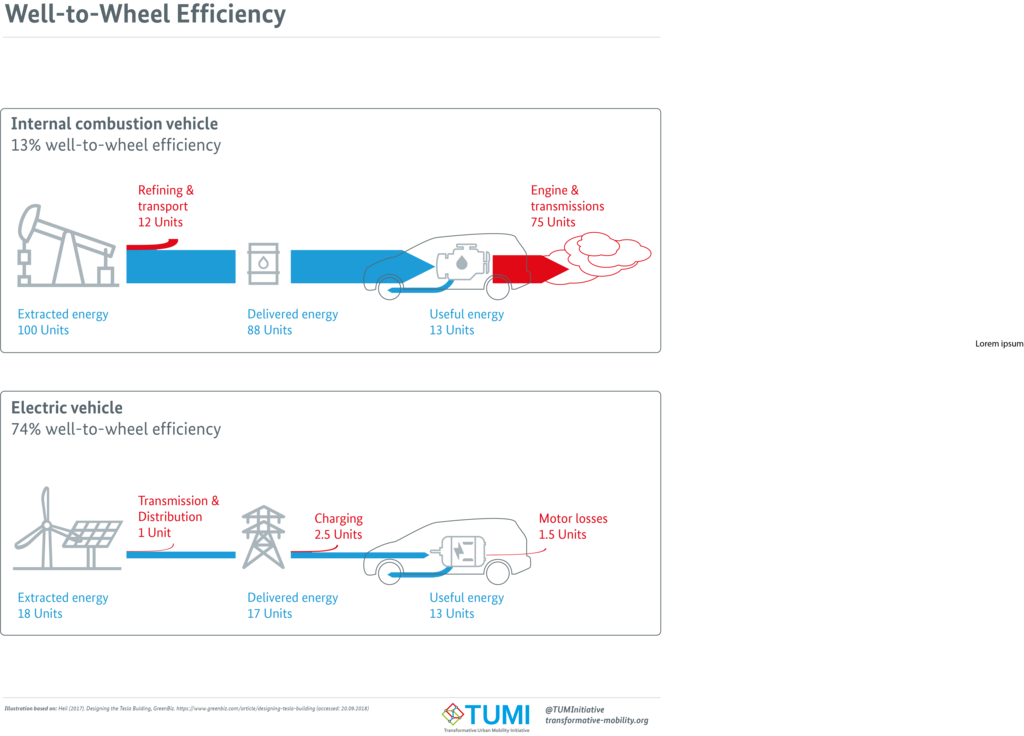
Where Power Electronics Lives
Once you know what to look for, you'll see power electronics everywhere. It’s the hidden technology running much of the modern world.
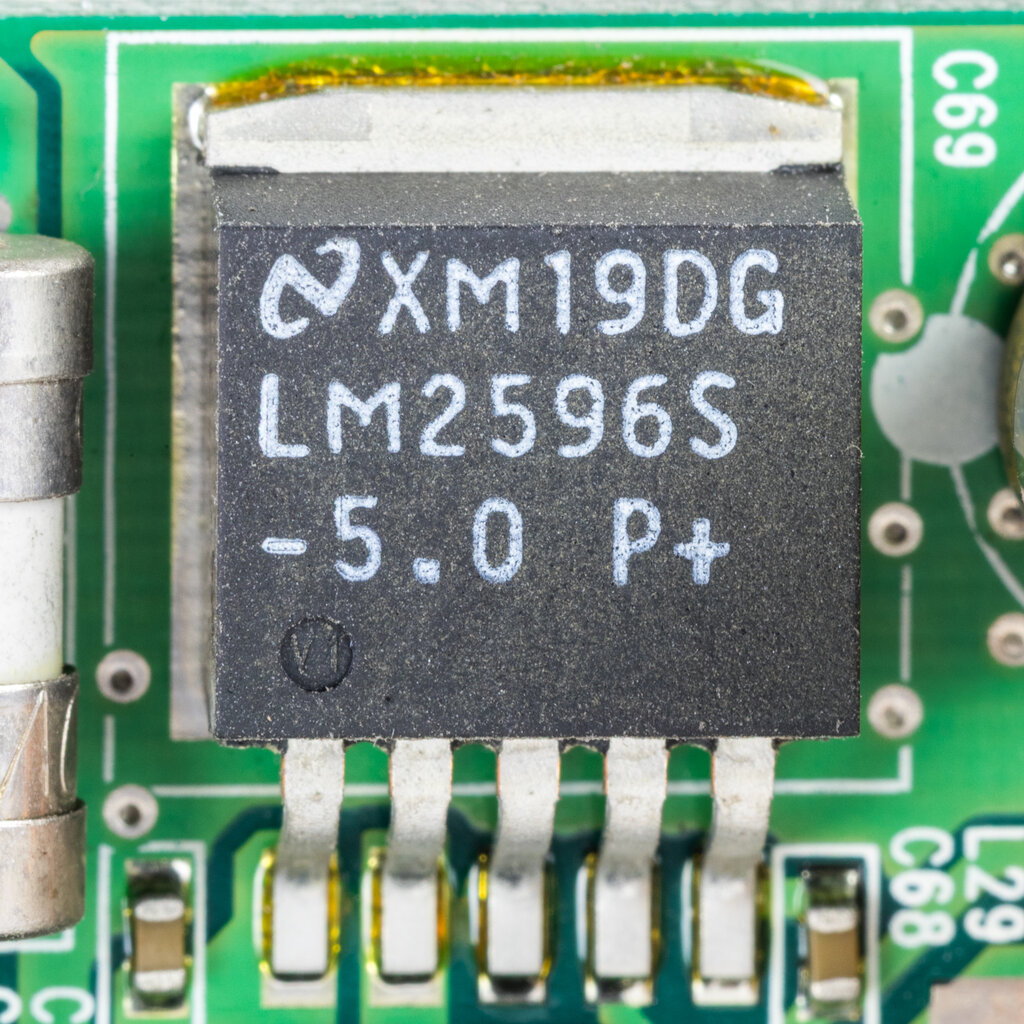
Power Supplies: This is the most common application. Every device that plugs into a wall or uses a battery has a power supply to convert electricity into the precise voltages it needs. Your laptop's power brick and your phone's USB charger are both sophisticated power electronic converters.
Motor Drives: Electric motors are in everything from your blender to an electric car to a factory assembly line. Power electronics allow for precise control over a motor's speed and torque, which improves performance and saves a tremendous amount of energy.
Renewable Energy: Solar panels and wind turbines generate DC power, but our homes and the electrical grid use AC. Power electronic inverters are essential for converting that DC to AC so it can be used or sold back to the power company.
Lighting: Modern LED lighting relies on power electronics to efficiently convert AC power into the low-voltage DC that LEDs require. This is why they use so much less energy than old incandescent bulbs.
What is the primary function of power electronics?
When a solar panel on a house provides power to the home's appliances, a power electronic device is needed to perform which conversion?