DBOS and Python SDK Mastery
Introduction to DBOS
An OS Built on a Database
Traditional operating systems manage files, memory, and processes on a single computer. But modern applications don't run on a single machine. They are distributed across the cloud, involving many servers, services, and databases that need to work together flawlessly.
This complexity creates challenges. Developers spend a lot of time writing code not for the application's core features, but just to handle failures. What happens if a server crashes mid-transaction? How do you ensure a task runs exactly once, even if the network is unreliable? Answering these questions is hard.
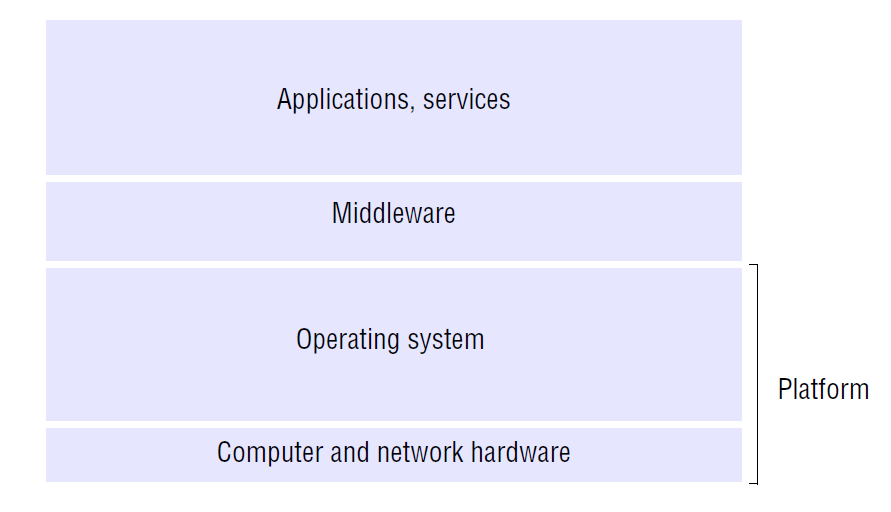
Database-Oriented Operating System, or DBOS, flips the traditional model on its head. Instead of the OS managing a database, DBOS uses a distributed database as its core foundation. All operating system services are built as applications on top of this database.
Core Principles
The design of DBOS is guided by a few key ideas that directly address the challenges of cloud development.
In DBOS, everything is data. The state of the system, application logs, messages between services—it's all stored in database tables.
This data-centric design is powerful. Because all system state is in one place, it becomes transactional and queryable. You can ask questions about the state of your system using standard SQL. This simplifies debugging and monitoring immensely.
DBOS is also built for scalability and resilience. Since it runs on a distributed database, it automatically inherits the database's ability to scale across many machines and handle failures. If one server goes down, the database ensures the system's state is preserved, and another server can seamlessly pick up the work. This provides strong fault tolerance out of the box.
Introducing DBOS Transact
The DBOS project provides a practical tool to start applying these principles today: DBOS Transact. It's an open-source library that allows developers to build durable and observable applications in Python and TypeScript.
DBOS helps you add reliability to your Python programs.
With DBOS Transact, you write standard functions, but with a key difference. The framework ensures these functions are transactional and their results are reliably saved. This means a function is guaranteed to run to completion exactly once, even in the face of hardware failures or restarts.
This radically simplifies building backend services. Instead of manually managing message queues, retry logic, and complex state machines to ensure reliability, you can focus on your business logic. The framework handles the hard parts of fault tolerance for you, using the database as a single source of truth for your application's state and execution history.
Now, let's test your understanding of these core concepts.
What is the fundamental design principle of a Database-Oriented Operating System (DBOS)?
How does the DBOS model provide fault tolerance for applications?
By rethinking the relationship between the operating system and the database, DBOS offers a simpler, more robust foundation for building the next generation of cloud applications.