DBMS vs RDBMS Explained
Introduction to Databases
Organizing Information
At its core, a database is just an organized collection of information. Think of a library's card catalog, a digital address book, or even a simple shopping list. The goal is to store data in a structured way so you can easily find, manage, and use it later. Without a system, information quickly becomes a messy, unusable pile.
A database is an essential tool that lets you store data in a clean, efficient, and organized way.
Modern businesses, websites, and apps all rely on databases running behind the scenes. When you browse products on an e-commerce site, check your bank balance, or book a flight, a database is working to fetch and update the correct information for you instantly. They are the backbone of the digital world, handling everything from customer records to inventory tracking.
From Files to Databases
Before modern databases, information was often stored in simple, separate files. Imagine a company keeping its customer list in one spreadsheet, its product inventory in another, and its sales records in a third. This is known as a file-based system.
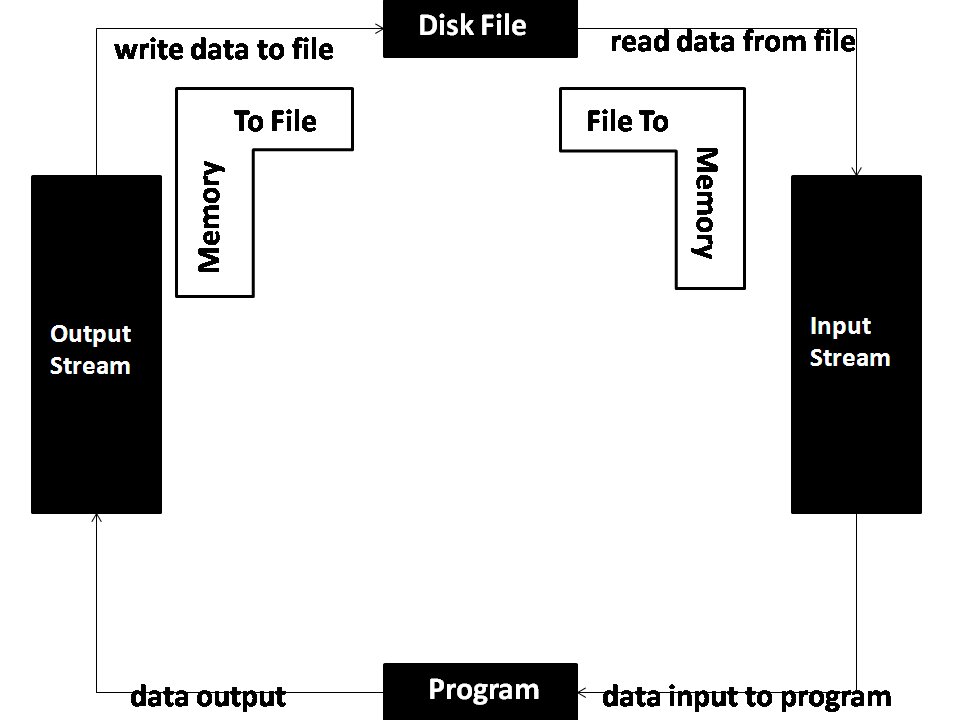
While simple for small tasks, this approach quickly leads to major headaches as the amount of data grows. Storing information this way creates several key problems:
| Problem | Description |
|---|---|
| Data Redundancy | The same piece of information, like a customer's address, might be copied in multiple files. |
| Data Inconsistency | If an address is updated in one file but not another, the data becomes conflicting and unreliable. |
| Access Difficulty | Getting a simple report, like "all customers in Texas who bought a specific item," is difficult and requires custom programming. |
| Security Risks | It's hard to control who can view or modify sensitive information when it's spread across many files. |
Database systems were created to solve these issues. They centralize data in one place and provide a controlled way to access and manage it, ensuring information is consistent, secure, and easy to work with.
Models for Data
As databases became more common, computer scientists developed different ways to structure the data inside them. These structures are called data models. Each model organizes data based on a different set of rules and relationships. Let's look at a few influential early models.
A data model is like a blueprint that defines how data is connected and stored.
The hierarchical model was one of the first. It organizes data in a tree-like structure, similar to a family tree or a computer's file system. Each record has one parent, and a parent can have multiple children. This is efficient for data that has clear, one-to-many relationships, but it's inflexible. To find a specific piece of data, you have to navigate the entire path down from the top.
Next came the network model, which was an attempt to improve on the hierarchical model's limitations. It allowed records to have multiple parents, creating a more flexible graph-like structure. This meant you could represent more complex relationships, like a student being enrolled in courses from different departments. However, navigating these connections could become incredibly complicated.
Finally, the relational model emerged and became the dominant approach for decades. Instead of complex trees or graphs, it organizes data into simple tables made of rows and columns, much like a spreadsheet. Each table represents a single type of entity (like 'Customers' or 'Products'), and relationships between tables are created by linking data in their columns. This model is intuitive, flexible, and powerful, and it forms the foundation for most modern databases you'll encounter.
What is the fundamental purpose of a database?
A company stores its customer list in one spreadsheet and its sales records in another. This is an example of a file-based system, which often leads to what problem?
Understanding these foundational concepts is the first step. From here, we can explore how the relational model, in particular, revolutionized the way we handle data.