Day Trading Stocks and Crypto
Introduction to Day Trading
What is Day Trading?
Day trading is a strategy that involves buying and selling financial assets, like stocks or cryptocurrencies, within the same trading day. Unlike traditional investing where you might hold an asset for months or years, a day trader's goal is to close out all positions before the market closes. The aim isn't to hit a home run on one big price swing, but to make small, consistent profits from minor price fluctuations throughout the day.
Day trading is the act of buying and selling a financial instrument within the same day or even multiple times over the course of a day.
This high-frequency approach means a day trader might make dozens of trades in a single session. Success hinges on discipline, a solid strategy, and the ability to make quick, calculated decisions. It's a fast-paced environment that requires constant attention to the market.
Not Your Average Investment
Day trading stands in sharp contrast to other popular strategies. The most significant difference is the time horizon. While long-term investors focus on a company's fundamental value over years, and swing traders look for trends over several days or weeks, day traders operate in a world of minutes and hours.
| Strategy | Time Horizon | Goal | Activity Level |
|---|---|---|---|
| Day Trading | Minutes to Hours | Small, frequent gains | Very High |
| Swing Trading | Days to Weeks | Capture medium-term trends | Moderate |
| Long-Term Investing | Months to Years | Growth based on fundamentals | Low |
This difference in timing requires a completely different mindset. Long-term investors can afford to ignore short-term market noise. Day traders, on the other hand, thrive on it. They are less concerned with a company's long-term prospects and more focused on its immediate price action.
Riding the Waves of Volatility
Day traders need prices to move. A stock that doesn't budge all day offers no opportunity for profit. This is why they are drawn to volatile assets—those with prices that swing up and down frequently.
Volatility
noun
The degree of variation of a trading price series over time, as measured by the standard deviation of logarithmic returns.
Volatility is a double-edged sword. It creates the price movements necessary to generate profits, but it also dramatically increases risk. A position can turn from a winner to a loser in a matter of seconds. Because of this, day traders must make decisions instantly, executing trades with precision and without emotional hesitation. There's little time to second-guess a decision when the market is moving quickly.
The Day Trader's Toolkit
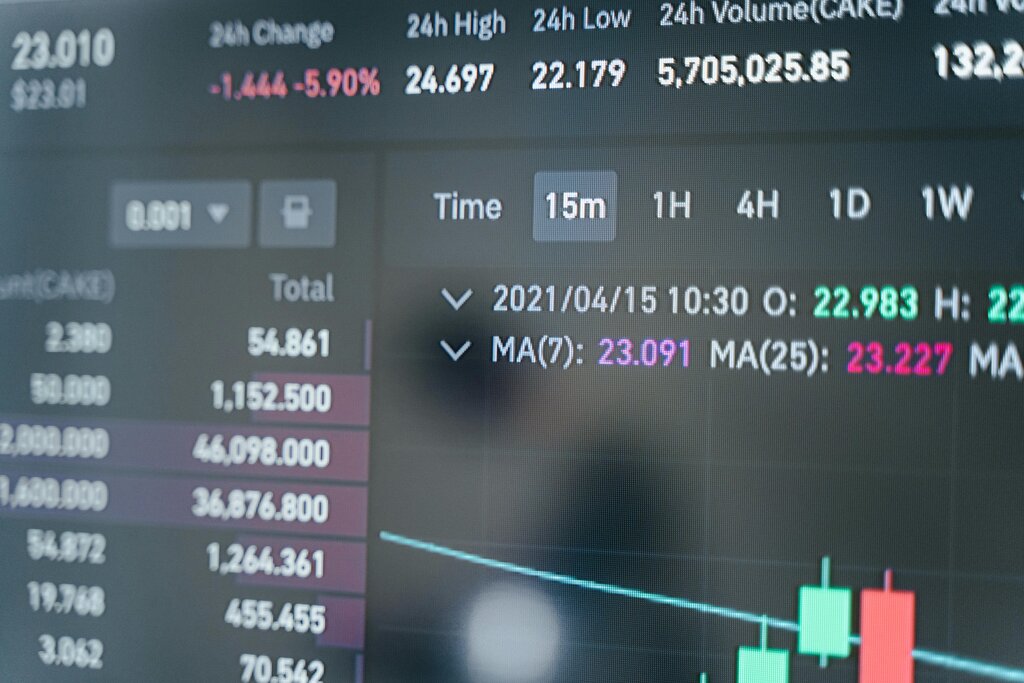
To navigate these fast-moving markets, day traders rely on a specific set of tools. A fast, reliable internet connection is non-negotiable; a delay of even a few seconds can be costly. They also need a direct-access broker or trading platform that offers fast execution speeds and low commissions, as frequent trading can quickly rack up fees.
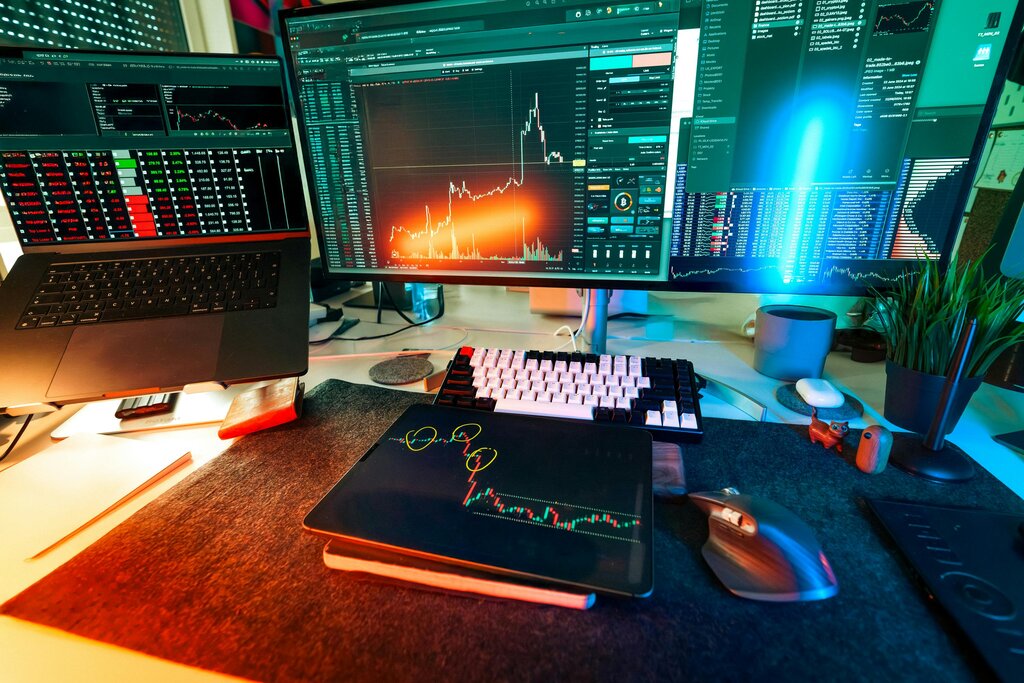
Essential tools for a day trader include a powerful trading platform, advanced charting software, and access to real-time market data and news.
Most traders use sophisticated charting software to analyze price movements and identify potential trading opportunities. These platforms provide real-time data feeds and technical indicators that help inform their buy and sell decisions. Staying updated with financial news is also crucial, as economic reports, earnings announcements, and other events can cause sudden, sharp market moves.
Now that you understand the basics of what day trading is and the environment traders operate in, let's test your knowledge.
What is the primary characteristic that defines day trading?
A day trader's success primarily relies on a company's long-term growth prospects and fundamental health.
Day trading is a distinct approach to the markets that requires a unique set of skills, tools, and a specific mindset focused on the very near term.