Day Trading Futures with Volume Profile
Introduction to Futures Trading
What Are Futures Contracts?
A futures contract is simply an agreement to buy or sell a specific asset at a predetermined price on a future date. Think of it as pre-ordering, but for things like oil, gold, or even stock market indexes.
The main purpose is to manage risk. Imagine a farmer growing corn. She's worried the price of corn will drop before her harvest. At the same time, a cereal company is worried the price will rise, increasing its costs. They can use a futures contract to agree on a price today for corn that will be delivered in three months. The farmer locks in her selling price, and the company locks in its buying price. Both have reduced their uncertainty about the future.
With a futures contract, the price is set now, but the actual transaction happens later.
Every futures contract has a few key components:
- Underlying Asset: The item being traded (e.g., crude oil, wheat, the S&P 500 index).
- Contract Size: The specific quantity of the asset in one contract (e.g., 1,000 barrels of oil, 5,000 bushels of corn).
- Expiration Date: The date when the contract must be fulfilled.
The Mechanics of Trading
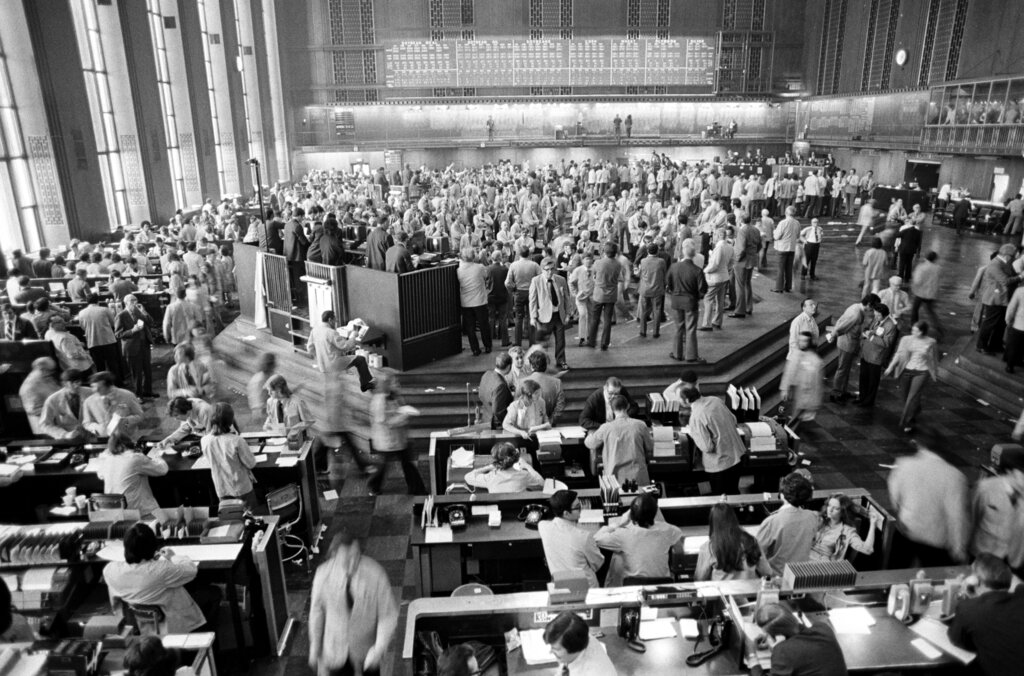
Unlike the farmer and the cereal company making a private deal, futures trading happens on organized exchanges, like the Chicago Mercantile Exchange (CME). The exchange acts as a middleman, standardizing contracts and guaranteeing that both sides of the trade will honor their agreement.
When you trade futures, you can either go "long" or "short."
- Going Long: You agree to buy the asset at the future date. You believe the price will go up.
- Going Short: You agree to sell the asset at the future date. You believe the price will go down.
Most traders are not interested in actually owning barrels of oil or bushels of corn. Instead, they close out their positions before the expiration date. If you bought a contract (went long), you would sell an identical contract to cancel it out. If you sold a contract (went short), you would buy one back. Your profit or loss is the difference between your entry price and your exit price.
Leverage and Margin
Futures trading involves a powerful tool called leverage. Leverage means you can control a large amount of an asset with a relatively small amount of capital. This is possible because you aren't buying the asset itself, just the contract.
To open a futures position, you must deposit a certain amount of money with your broker. This is called the initial margin.
Margin
noun
A good-faith deposit required to open and maintain a futures position. It is not a down payment, but rather collateral to cover potential losses.
For example, one S&P 500 e-mini futures contract might control over $100,000 worth of the index. But the initial margin required to trade it might only be around $10,000. This 10-to-1 leverage magnifies both potential profits and potential losses.
Because leverage is a double-edged sword, brokers also require you to keep a certain amount of money in your account, called the maintenance margin. If your account balance drops below this level due to losses, you'll get a "margin call" and will need to deposit more funds to keep your position open.
Market Players and Products
The futures market is made up of two main types of participants:
-
Hedgers: These are businesses or individuals, like our farmer and cereal company, who use futures to protect themselves from unfavorable price changes in an asset they produce or use.
-
Speculators: These are traders who aim to profit from correctly predicting future price movements. They accept the risk that hedgers want to offload. Speculators provide essential liquidity, making it easier for everyone to enter and exit trades.
Traders can speculate on a wide variety of assets from different markets.
| Market Category | Common Instruments (Underlying Asset) |
|---|---|
| Equity Indexes | S&P 500, Nasdaq 100, Dow Jones Industrial Average |
| Commodities | Crude Oil, Natural Gas, Gold, Silver, Copper |
| Agriculture | Corn, Soybeans, Wheat, Cattle |
| Interest Rates | 10-Year Treasury Notes, 30-Year Treasury Bonds |
| Currencies | Euro, Japanese Yen, British Pound |
Understanding these basics is the first step. Now, let's test your knowledge.
A farmer is concerned that the price of corn will fall before harvest. To mitigate this risk, what position should she take in the corn futures market?
The two main types of participants in the futures market are hedgers and ________.