Day Trading Essentials
Introduction to Day Trading
What Is Day Trading?
Day trading is a fast-paced style of trading where you buy and sell financial assets within a single trading day. The goal is to profit from small price movements. Unlike investors who might hold an asset for years, a day trader's positions are almost always closed before the market shuts down for the day. This means no holding onto stocks, currencies, or commodities overnight.
Day trading is the act of buying and selling a financial instrument within the same day or even multiple times over the course of a day.
Think of it like being a merchant in a bustling market. You're not looking to store goods in a warehouse for a long time; you're trying to buy low and sell high quickly, capitalizing on the day's constant ebb and flow of prices.
Not Your Typical Investment
Day trading is very different from traditional investing. The time horizon is the most obvious distinction. An investor might buy a stock and hold it for a decade, betting on the company's long-term growth. A day trader might hold that same stock for just ten minutes.
This difference in timeframe leads to different strategies and goals. Here’s a quick comparison:
| Style | Holding Period | Goal | Primary Focus |
|---|---|---|---|
| Day Trading | Minutes to hours | Small, frequent profits | Technical analysis, short-term volatility |
| Swing Trading | Days to weeks | Medium-term gains | Chart patterns, market momentum |
| Long-Term Investing | Months to years | Significant long-term growth | Company fundamentals, economic trends |
Swing traders hold positions for a few days or weeks to catch a market "swing," while long-term investors focus on a company's fundamental health. Day traders, however, are laser-focused on the immediate price action.
Where the Action Happens
Day traders operate in markets with two key ingredients: high liquidity and high volatility. Liquidity means you can easily buy or sell an asset without causing a major price change. Volatility means the price moves around enough to create profit opportunities.
Because of this, day traders often gravitate to specific markets:
- Stock Market: Trading shares of public companies. Certain stocks are very active on any given day, making them popular targets.
- Foreign Exchange (Forex): The market for trading currencies. It's the largest financial market in the world, offering high liquidity.
- Cryptocurrencies: Digital assets like Bitcoin and Ethereum are known for their extreme volatility, which attracts many day traders.
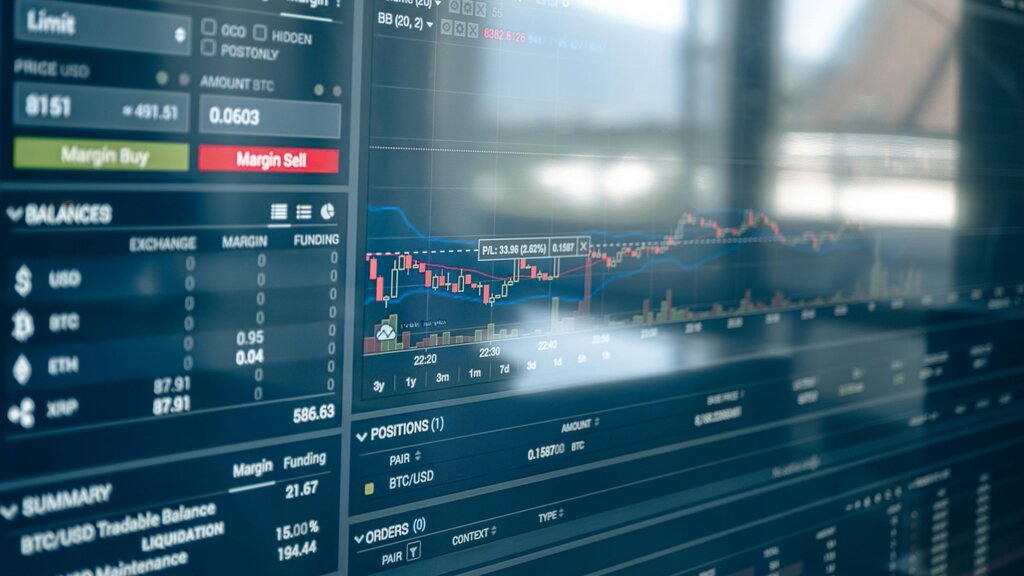
To participate in these markets, you need the right setup. This isn't something you can do casually from your phone's banking app. Day traders rely on specialized tools.
Your Trading Toolkit
A successful day trader needs more than just a hunch. They need a reliable toolkit to make quick, informed decisions. The foundation is a powerful computer with a fast, stable internet connection. A split-second delay can mean the difference between a profit and a loss.
Next is the trading platform. This is the software used to view market data and execute trades. Most brokers offer their own platforms, which usually include charting tools, real-time news feeds, and order entry systems. These platforms are the trader's command center.
The most critical element is real-time market data. Day traders can't work with delayed information. They need to see price changes the instant they happen to spot opportunities and manage risk effectively.
High Risk, High Reward
The appeal of day trading is clear: the potential for significant profits in a short amount of time. Traders can capitalize on market movements without waiting for years. It offers a high degree of control and direct engagement with the markets.
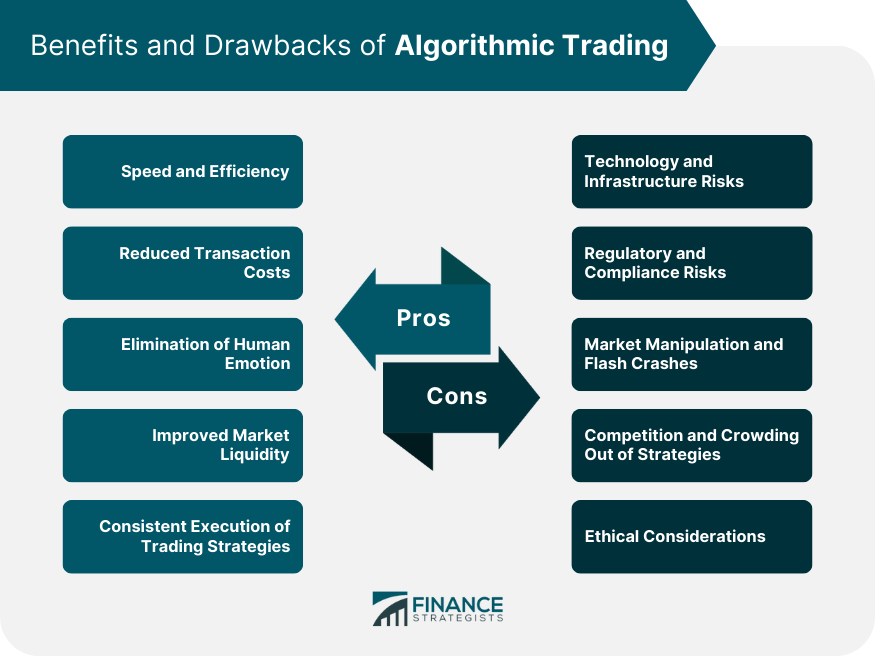
However, the risks are just as significant. The same volatility that creates opportunities can also lead to rapid losses. Day trading requires discipline, a clear strategy, and a solid understanding of the markets. It's not a get-rich-quick scheme, and many who try it without proper preparation lose money.
Before diving in, it's essential to educate yourself and understand that you are putting your capital at risk. Now, let's check your understanding of these core concepts.
What is the primary characteristic that defines day trading?
Day traders seek out markets with high liquidity and high volatility.
Day trading is an active, demanding discipline. By understanding its core principles, you've taken the first step in exploring this dynamic corner of the financial world.