Day Trading Essentials
Introduction to Day Trading
What is Day Trading?
Day trading is a fast-paced style of trading where you buy and sell financial assets within a single day. The goal is to profit from small price movements. Unlike investors who might hold stocks for years, a day trader closes all their positions before the market shuts down for the evening.
Day trading is the act of buying and selling a financial instrument within the same day or even multiple times over the course of a day.
Why the rush? By not holding positions overnight, day traders avoid the risk of being affected by news or events that could drastically change an asset's price while the market is closed. Imagine a company announcing poor earnings after trading hours. A long-term investor might have to wait until the market opens to react, likely facing a loss. A day trader, having already sold their shares, wouldn't be affected.
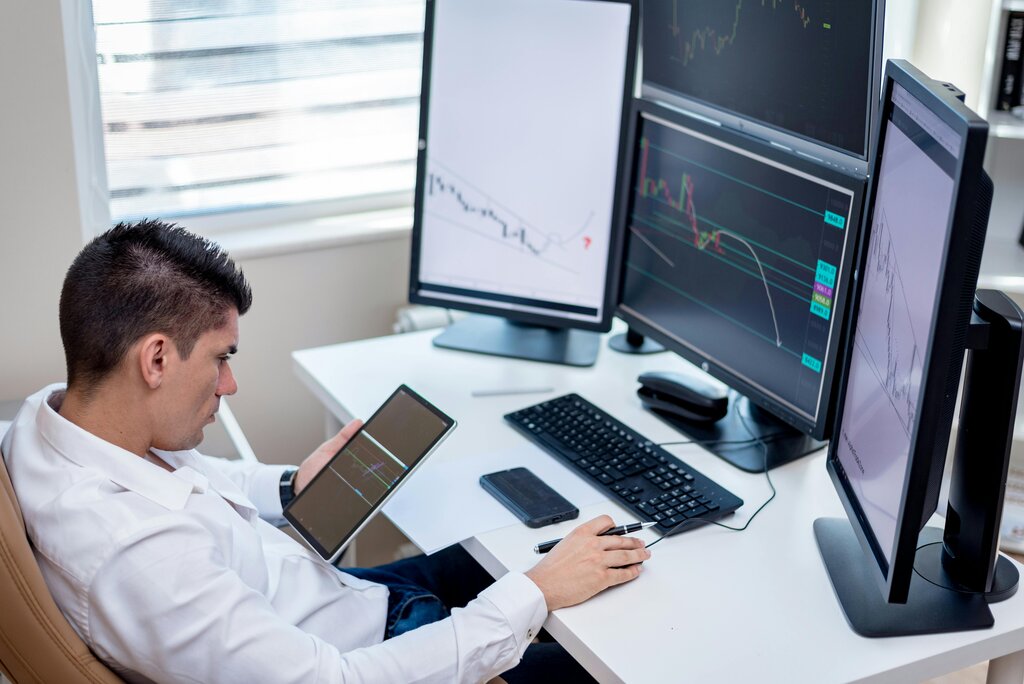
Where Day Traders Play
Not all markets are suitable for day trading. Traders need a specific environment to succeed, one defined by two key characteristics: liquidity and volatility.
Liquidity
noun
The ease with which an asset can be bought or sold at a stable price. In a liquid market, there are many buyers and sellers, meaning you can execute trades quickly without significantly moving the price.
Volatility
noun
The measure of how much an asset's price fluctuates. High volatility means the price is moving up and down a lot, creating opportunities for profit from short-term changes.
With these factors in mind, day traders typically focus on a few major markets:
- Stocks: Trading shares of publicly-traded companies. Traders often focus on large, well-known stocks that have high trading volume, ensuring liquidity.
- Forex (Foreign Exchange): This is the market for trading currencies, like the U.S. Dollar or the Euro. It's the largest and most liquid market in the world, and it trades 24 hours a day during the week.
- Futures: These are contracts that oblige the buyer to purchase an asset at a predetermined future date and price. Futures are available for commodities like oil and gold, as well as for financial instruments like stock market indexes.
The Day Trader's Toolkit
Success in day trading requires more than just market knowledge. It also demands the right equipment and software to analyze information and act on it instantly. Speed and reliability are non-negotiable.
In a game of seconds, a slow connection or lagging data can be the difference between a profit and a loss.
Here are the essential tools:
-
Direct-Access Trading Platform: This is specialized software that connects a trader directly to market makers and exchanges. It allows for much faster execution of trades compared to standard retail brokerage platforms.
-
Real-Time Market Data: Day traders need up-to-the-second information. This includes Level 2 data feeds, which show the order book for a particular stock—a list of buy and sell orders at different price points. This gives a deeper view of supply and demand.
-
Charting Software: Advanced charting tools are used to visualize price movements and apply technical indicators. These visual aids help traders spot patterns and make informed decisions about when to buy or sell.
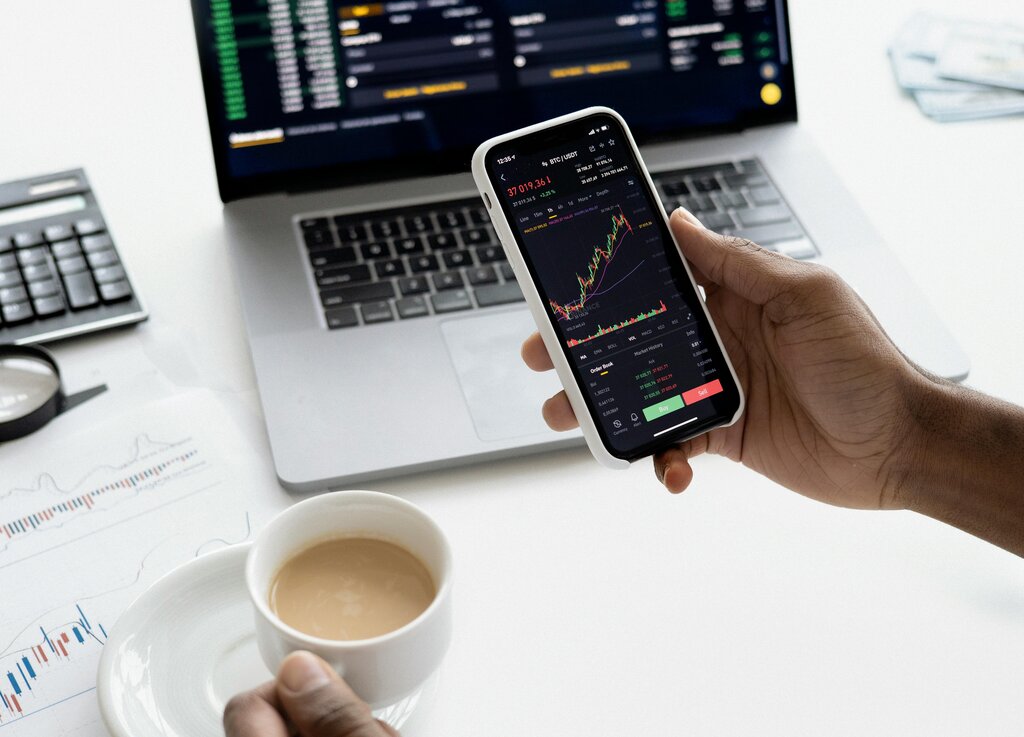
While professional setups can be complex, many powerful tools are now accessible to individual traders, leveling the playing field. Having the right toolkit is the first step toward navigating the fast-paced world of day trading.
What is the defining characteristic of a day trader's strategy?
What is the primary reason day traders close all their positions before the market shuts down?