Day Trading Essentials
Introduction to Day Trading
What is Day Trading?
Day trading is the practice of buying and selling financial assets within the same day. Before the stock market closes for the evening, a day trader will have closed out all of their positions, holding no investments overnight. The goal isn't to invest in a company's long-term growth. Instead, it's to profit from small price fluctuations that happen minute-by-minute.
Think of it like this: A long-term investor buys a house hoping its value will increase over many years. A day trader buys a house at 9 AM and tries to sell it for a slightly higher price by 4 PM.
This high-frequency approach means day traders aim to make many small gains that add up over time. It requires quick thinking and a constant watch on the market, as opportunities can appear and disappear in a matter of seconds.
Trading vs. Investing
The line between a day trader and a traditional investor is drawn by time. Investors are in it for the long haul, sometimes holding onto assets for years or even decades. They focus on a company's fundamental value—its earnings, management, and industry trends. Day traders, on the other hand, are focused on short-term market dynamics.
Generally, strategies followed by traders and investors are quite different, so making up your mind about being a trader vs being an investor is critical as that would clear up a lot of confusion about what strategies you should adopt going further.
Their strategies rely on technical analysis, chart patterns, and the immediate flow of buy and sell orders. Here’s a quick breakdown of the differences:
| Feature | Day Trading | Long-Term Investing |
|---|---|---|
| Time Horizon | Minutes to hours | Years to decades |
| Goal | Small, frequent profits | Significant long-term growth |
| Frequency | Multiple trades per day | Few trades per year |
| Analysis | Technical (charts, patterns) | Fundamental (company health) |
The Day Trader's Playground
Day traders operate in markets where prices move and transactions happen quickly. The most common markets are stocks, foreign exchange (forex), and commodities.
- Stocks: Buying and selling shares of public companies.
- Forex: Trading one country's currency for another (e.g., U.S. Dollar for Japanese Yen).
- Commodities: Trading raw materials like oil, gold, or corn.
Regardless of the market, two factors are critical for a day trader: liquidity and volatility.
Liquidity
noun
The ease with which an asset can be bought or sold without affecting its market price.
High liquidity is essential. It means there are many buyers and sellers at any given moment, so a trader can enter or exit a position almost instantly at a predictable price. A market with low liquidity is like a quiet country road—you might have to wait a while for another car (or trader) to come along.
Volatility is the measure of how much an asset's price fluctuates. Day traders need volatility. A stock that doesn't move in price offers no opportunity to make a profit. They seek out assets that have regular, predictable price swings throughout the day.
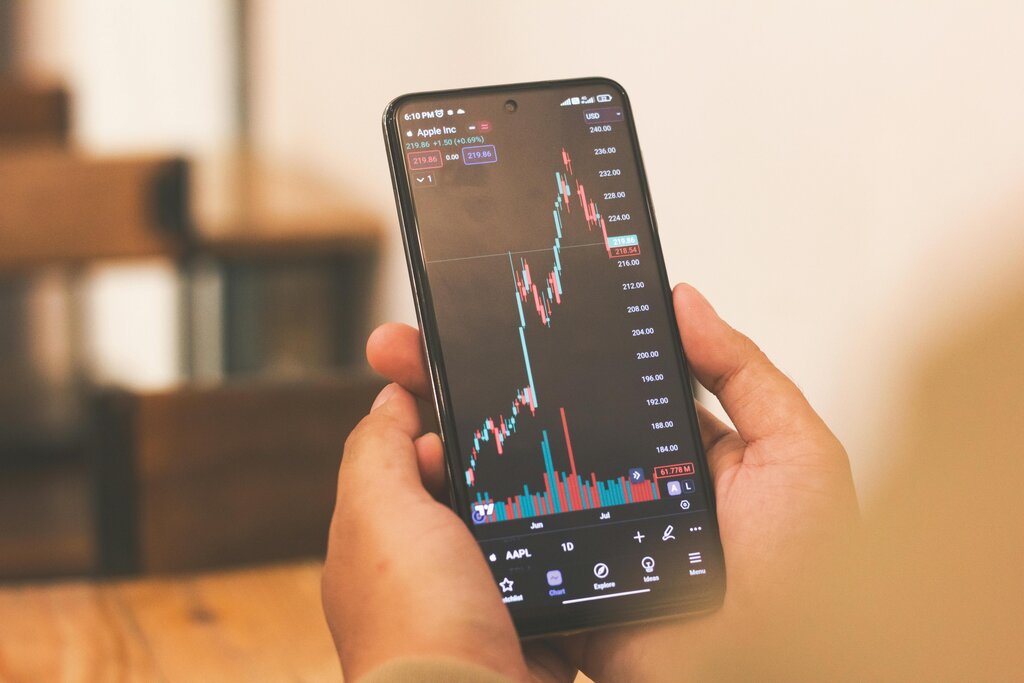
The sweet spot for a day trader is a market with both high liquidity and high volatility. This combination ensures they can trade easily while also having plenty of price movement to capitalize on.
Now that you understand the basics of what day trading is, let's test your knowledge.
What is the primary goal of a day trader?
The main distinction between a day trader and a traditional investor is the time frame of their investments.