Day Trading Essentials
Introduction to Day Trading
What is Day Trading?
Day trading isn't about long-term investing. It's not about buying a stock and holding it for years. Instead, it's a fast-paced strategy focused on profiting from small price movements within a single day.
Day trading is the act of buying and selling a financial instrument within the same day or even multiple times over the course of a day.
A day trader might buy a stock at 10:00 AM and sell it by 2:00 PM. They might even buy and sell the same asset multiple times before the market closes. The goal is to capture small gains that, when compounded, can add up. Unlike investors who analyze a company's long-term potential, day traders are focused on short-term volatility and market sentiment.
Markets for Day Trading
Day traders can operate in several different markets, each with its own characteristics. The choice often comes down to a trader's strategy, risk tolerance, and the hours they can trade.
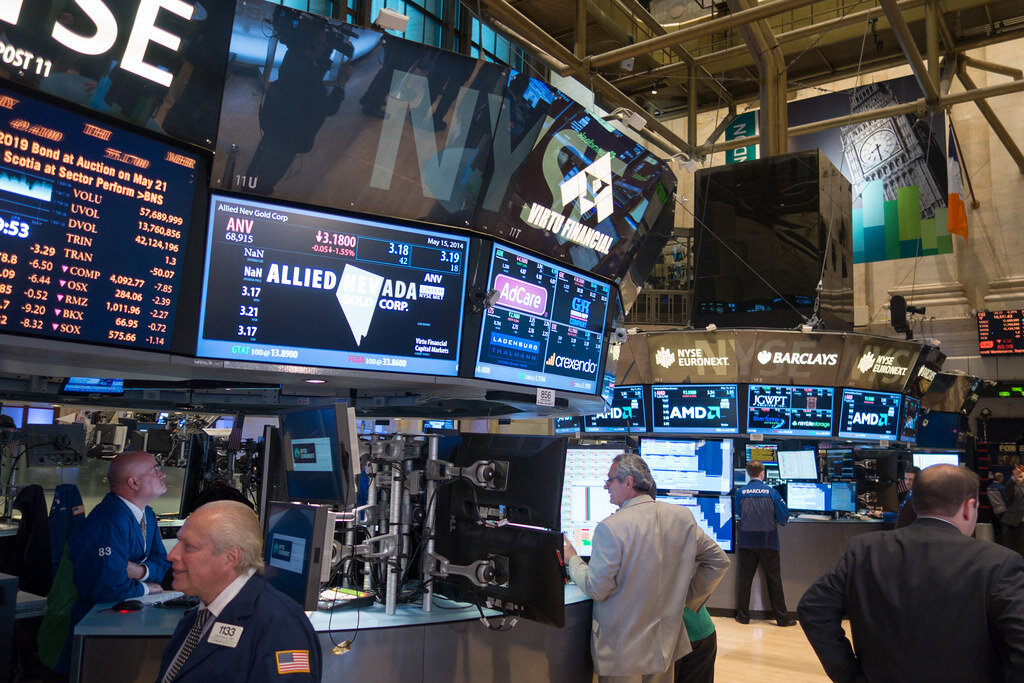
Stocks: This is the most well-known market. Day traders often focus on stocks with high liquidity and volatility, meaning they are traded frequently and have prices that move a lot. This movement is what creates opportunities for profit.
Forex: The foreign exchange, or forex, market is where currencies are traded. It's the largest financial market in the world and operates 24 hours a day, five days a week. Traders speculate on the changing values of currency pairs, like the Euro versus the U.S. Dollar (EUR/USD).
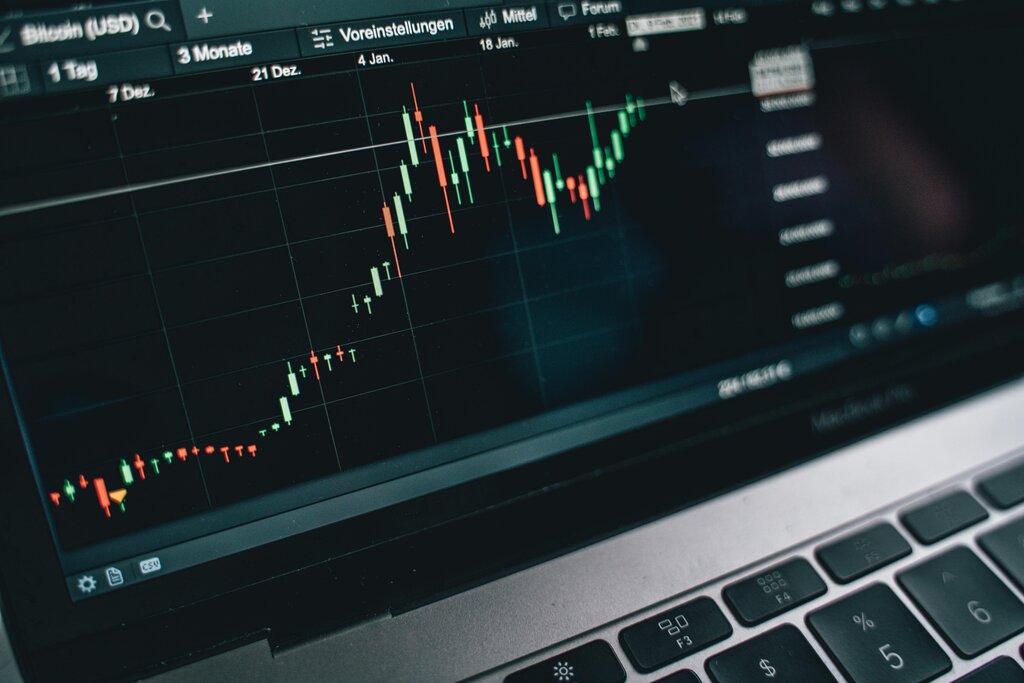
Cryptocurrencies: Digital currencies like Bitcoin and Ethereum are known for their extreme volatility. The crypto market is open 24/7, offering constant trading opportunities. However, the high volatility also means higher risk.
Essential Tools of the Trade
To succeed in day trading, you need the right equipment. This isn't just about having a computer; it's about having access to professional-grade tools that provide an edge.
First, you need a brokerage account. This is your gateway to the markets. When choosing a broker, day traders prioritize low commission fees and fast execution speeds. A delay of even a fraction of a second can turn a winning trade into a losing one.
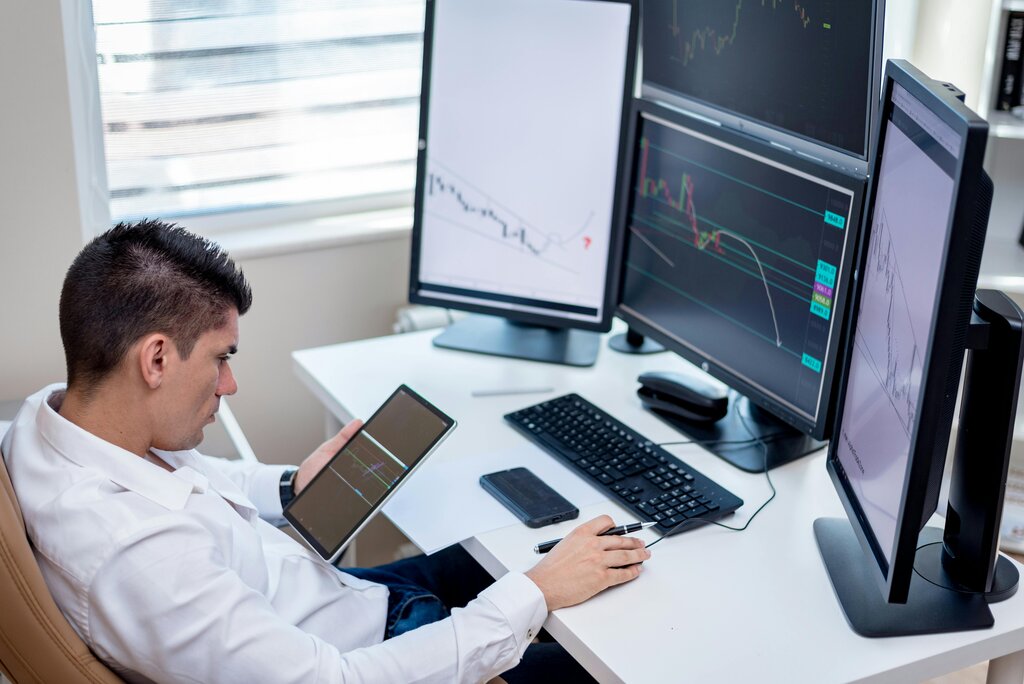
Next is a trading platform. This is the software you'll use to view charts, analyze price movements, and place your trades. Modern platforms are powerful, offering advanced charting tools and indicators. Many traders use multiple monitors to keep track of different assets and information at once.
Finally, real-time data feeds are non-negotiable. Day traders need up-to-the-millisecond information on prices and trading volume. Many serious traders pay for premium data, such as Level 2 quotes, which show the buy and sell orders from other market participants. This gives them a deeper view of supply and demand for an asset.
Rules of the Road
Day trading is a regulated activity, especially in the United States. Regulators have put rules in place to protect both traders and the market itself. One of the most important rules for U.S. stock traders to know is the Pattern Day Trader (PDT) rule.
Pattern Day Trader
noun
A classification for traders who execute four or more day trades within five consecutive business days in a margin account, provided the number of day trades represents more than 6% of their total trading activity for that same period.
The Financial Industry Regulatory Authority (FINRA) established this rule to ensure that only traders with sufficient capital engage in frequent day trading, which is considered a high-risk activity.
Investors executing 4 or more day trades within 5 business days are considered a pattern day trader if they use a margin account.
If your trading activity meets this definition, your brokerage firm will label your account as a PDT account. Once flagged, you must maintain a minimum account equity of $25,000. If your account balance drops below this threshold, you will be prohibited from day trading until you deposit more funds to bring it back up to the minimum.
It requires a maintained minimum equity level of $25,000 to day trade as a pattern day trader.
This rule applies specifically to trading stocks and options in the U.S. and does not typically apply to forex or cryptocurrency markets. It's a crucial regulation to understand before you start, as it can directly impact your ability to trade.