Databricks Fundamentals
Introduction to Databricks
What is Databricks?
Think of a massive workshop where different experts—data engineers, data scientists, and business analysts—can all work together on the same project. That's the core idea behind Databricks. It's a single, unified platform where teams can manage huge amounts of data, build machine learning models, and create business reports without constantly switching tools.
Databricks is a unified, open analytics platform designed to build, deploy, and maintain enterprise-grade data, analytics, and AI solutions at scale.
At the heart of Databricks is an architecture called the "lakehouse." Traditionally, companies stored raw data in a data lake and structured, cleaned data in a data warehouse. This often created data silos and made it hard to work efficiently. The lakehouse combines the low-cost, flexible storage of a data lake with the reliability and performance features of a data warehouse.
Databricks solves all three by introducing a Lakehouse architecture combining the best of data lakes and warehouses into a single platform.
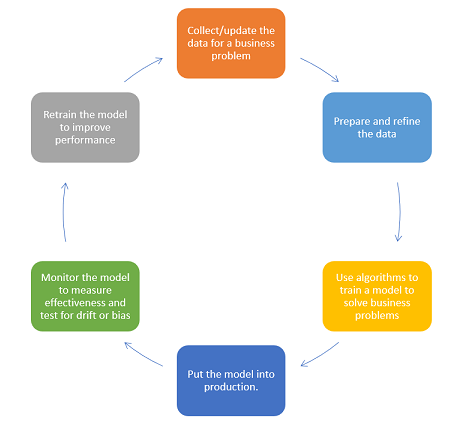
This unified approach supports the entire data and AI lifecycle, from collecting raw data to deploying and monitoring machine learning models in a continuous loop.
The Core Components
Databricks is built on a foundation of powerful open-source technologies. Understanding these three core components is key to understanding how the platform works.
Apache Spark: The Engine Think of Apache Spark as the high-performance engine that powers Databricks. It’s a distributed computing system designed to process massive datasets quickly. Spark breaks down big tasks into smaller pieces and runs them across multiple machines at once. This parallel processing is what makes Databricks so fast and scalable.
With Apache Spark's in-memory processing capabilities, Darabricks delivers high-performance analytics and machine learning.
Delta Lake: The Storage Layer Delta Lake is an open-source storage layer that sits on top of your existing data lake (like Amazon S3 or Azure Data Lake Storage). It brings reliability and performance to your data by adding features typically found in traditional databases, such as ACID transactions. This ensures that your data remains consistent and high-quality, even when multiple users are reading and writing data at the same time.
Delta Lake is an open-source storage layer that brings ACID transactions, scalable metadata management, and batch and streaming data processing to Apache Spark.
MLflow: The ML Manager MLflow is an open-source platform for managing the entire machine learning lifecycle. Building a model involves many experiments: trying different algorithms, parameters, and datasets. MLflow acts like a detailed lab notebook, tracking every experiment, packaging the code for reproducibility, and helping you deploy the final model into production.
Working in Databricks
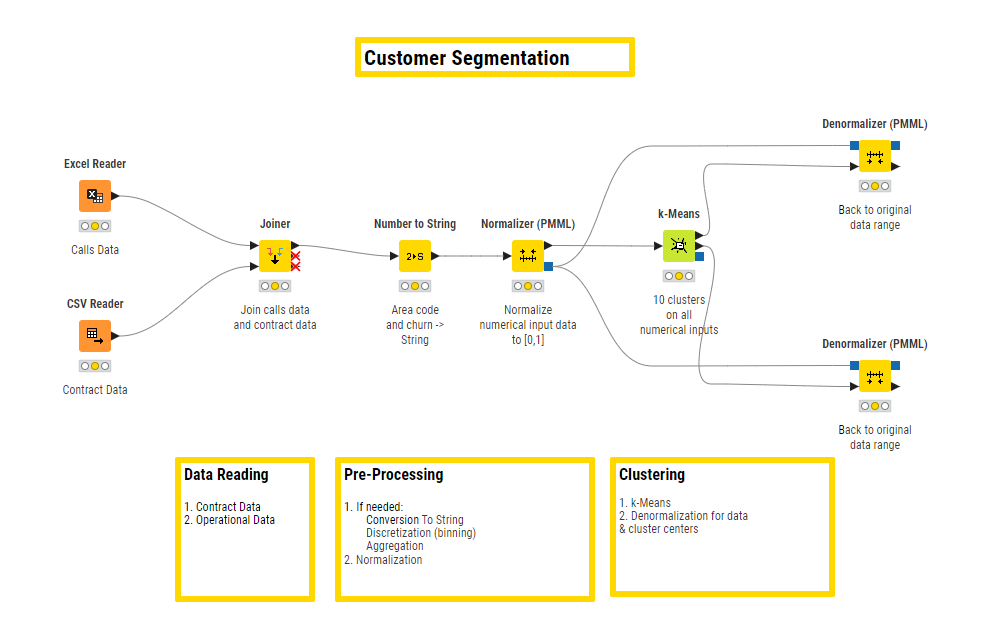
The main interface for working in Databricks is a collaborative environment called the workspace. Here, teams interact with data and build solutions using notebooks.
A Databricks notebook is an interactive document that lets you write and execute code in languages like Python, SQL, R, and Scala. You can mix code with visualizations, markdown text, and images to create a complete narrative around your analysis. Because notebooks are interactive, you can run a piece of code, see the output immediately, and then tweak it for the next step. This makes them ideal for exploratory data analysis and iterative model development.
Collaboration is a central feature of the workspace. Multiple users can work on the same notebook simultaneously, leave comments, and see each other's changes in real-time. For more structured collaboration and version control, Databricks integrates directly with Git.
Databricks Git folders allow users to store notebooks or other files in a Git repository, providing features like cloning a repository, committing and pushing, pulling, branch management and viewing file diffs.
By bringing data processing, analytics, and machine learning into one collaborative space, Databricks helps teams build and deploy data-driven solutions faster.