Database Storage Engine Fundamentals
Introduction to Database Storage Engines
The Engine Room of Your Database
Think of a database as a vast, digital library. You can ask it for any piece of information, and it returns the answer almost instantly. But how does it actually find the right data among potentially billions of files on a disk? That's the job of the storage engine.
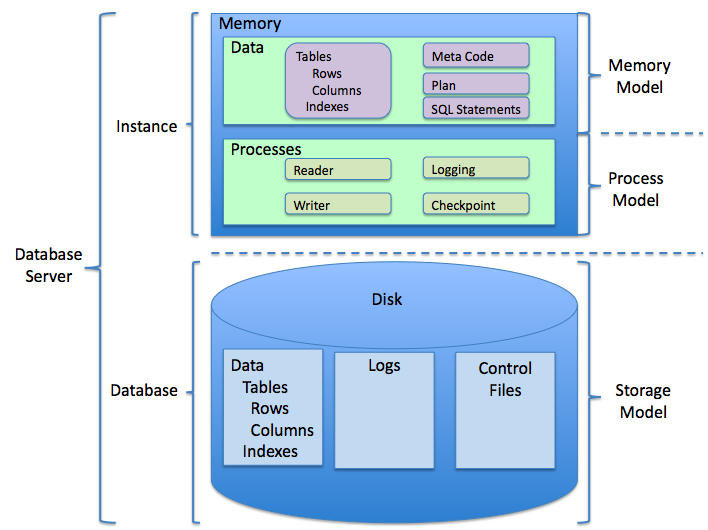
The storage engine is the component of a database management system (DBMS) that handles the low-level work of writing data to a disk and reading it back. It's the powerhouse working behind the scenes, managing the physical files that hold your information.
At its core, a storage engine is responsible for creating, reading, updating, and deleting (CRUD) data on a storage device like a hard drive or SSD.
A database system isn't a single, monolithic program. It's made of distinct layers, each with a specific job. When you submit a query, it first goes to a 'query layer.' This layer parses your request, figures out the most efficient way to execute it, and then hands off instructions to the storage engine. The storage engine is the 'storage layer' that does the physical work.
In general, operations in YugabyteDB are split logically into 2 layers, the query layer and the storage layer.
Why Storage Engines Matter
The choice of a storage engine has a massive impact on a database's performance, reliability, and capabilities. It's like choosing the engine for a car. A sports car engine is built for speed, while a truck engine is built for heavy lifting. They both get you from A to B, but they are optimized for very different tasks.
Similarly, how a storage engine organizes data on a disk determines how fast that data can be accessed. This affects everything from how quickly a web page loads to how many transactions a bank can process per second. Key responsibilities that influence performance include:
- Indexing: Creating special lookup tables that help locate data quickly without scanning every single row.
- Caching: Keeping frequently accessed data in memory (RAM) for faster retrieval.
- Transaction Management: Ensuring that a series of operations (a transaction) either completes entirely or not at all, maintaining data integrity.
- Concurrency Control: Managing simultaneous access to data by multiple users, preventing conflicts and corruption.
A Peek at Different Engine Types
Different workloads require different trade-offs, which is why various types of storage engines exist. Some prioritize raw speed for reading data, while others focus on ensuring data integrity for complex transactions. Many modern databases even let you choose which storage engine to use for different tables within the same database.
Here are a few high-level categories:
| Engine Type | Primary Goal | Best For |
|---|---|---|
| Transactional (OLTP) | Reliability and consistency | E-commerce sites, banking systems, booking applications |
| Analytical (OLAP) | Fast data retrieval and aggregation | Data warehouses, business intelligence tools, reporting dashboards |
| Log-Structured | High-speed writes | Systems with high data ingestion rates, like event logging |
| Column-Oriented | Efficiently reading columns of data | Analytical queries that only need to access a few columns from a wide table |
Understanding that these different types exist is the first step toward appreciating how a database is tailored for its specific job. The storage engine is a fundamental component that defines the character and performance of the entire system.